
Receiving Blankets
In this guide:
- What Are Receiving Blankets and Why Buy Them Wholesale?
- Choosing the Right Material for Your Business
- What GSM Weight Works Best for Your Application?
- Durability and Wash Cycles: What to Expect
- Safety and Certifications You Must Check
- Frequently Asked Questions
Receiving blankets are more than simple baby blankets. They are lightweight, versatile linens that hotels, spas, daycares, and healthcare facilities rely on for newborn care. As a B2B buyer, understanding GSM, material durability, and safety standards helps you make a smart bulk purchase that lasts.
Receiving blankets are essential for any business serving families with infants. Choose 100% cotton or muslin in the 120 to 140 GSM range for the best balance of softness and durability. Expect 200 to 300 wash cycles. Always verify OEKO-TEX certification and CPSC compliance.
What Are Receiving Blankets and Why Buy Them Wholesale?
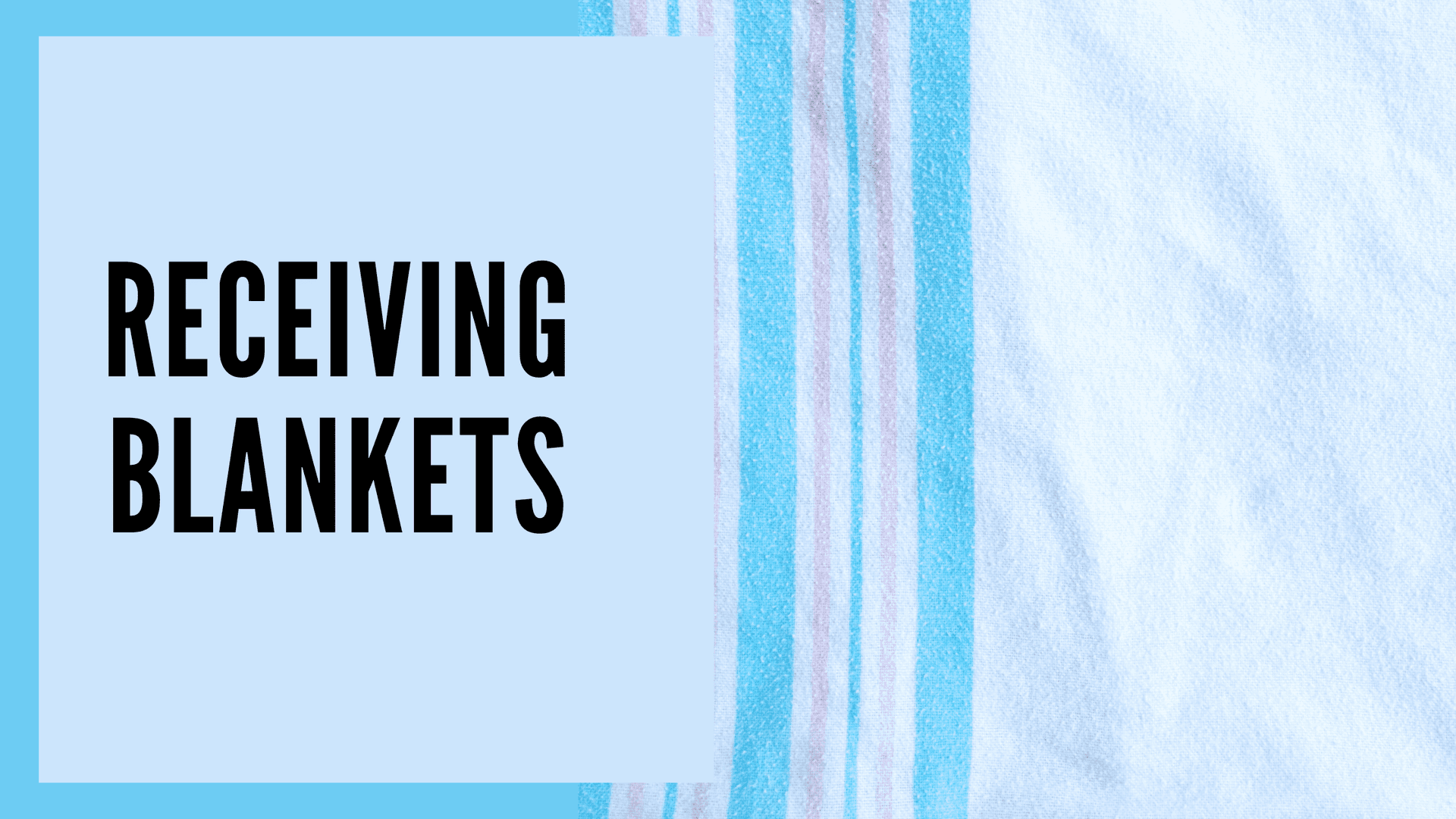
Receiving blankets are square or rectangular cotton blankets used to swaddle newborns, provide warmth, and serve as a clean surface for diaper changes. They are smaller and lighter than regular baby blankets, typically measuring 30 by 40 inches. In commercial environments, they double as burp cloths and emergency changing pads. Hotel housekeeping managers keep a dozen or more in a cart for guests with babies. Spa operators use them to wrap infants during post-natal treatments. Daycare centers rely on them for nap times.
Buying receiving blankets in bulk from a supplier like Towel Depot saves money and ensures consistent quality. When you order 100 to 500 units, you get a uniform product across all your properties. This is critical for brand reputation. A guest who sees a fraying blanket in a hotel room will question your standards. A wholesale purchase gives you control over material, color, and weight. You can choose between white for a clean hospital look or pastel prints for a family friendly atmosphere.
From a cost perspective, buying wholesale cuts per unit cost by 30 to 50 percent compared to retail. A typical receiving blanket retails for 10 to 15 dollars. At wholesale, you can pay 4 to 7 dollars per piece depending on GSM and material. For a hotel buying 200 blankets, that difference adds up to over 1,000 dollars saved. Those savings can go into other amenities. Many buyers also appreciate that receiving blankets are reusable after proper laundering, unlike disposable changing pads. This aligns with sustainability goals and reduces waste. The EPA encourages practices that cut single use products, and reusable linens fit that framework.
Choosing the Right Material for Your Business
Material choice directly affects comfort, durability, and cost. The three most common options for commercial receiving blankets are 100 percent cotton flannel, cotton muslin, and bamboo blends. Cotton flannel is brushed on both sides for extra softness. It traps heat well, making it ideal for colder climates or winter use. It typically weighs 120 to 140 grams per square meter (GSM). This fabric holds up to frequent washing at high temperatures, up to 90 degrees Celsius (194 degrees Fahrenheit). Research from the CDC outlines proper laundry protocols for healthcare linens, including water temperatures that kill pathogens.
Cotton muslin is lighter and more breathable, weighing 90 to 110 GSM. It has an open weave that allows air circulation. This is a good choice for summer or warm climates where overheating is a concern. Muslin receiving blankets are also easier to fold and store, which matters for tight linen closets. The lighter weight means slightly faster drying times, reducing energy costs in commercial laundries. However, muslin can snag more easily than flannel, so inspect it after 150 wash cycles. For high turnover hotels, flannel may be the better long term investment.
Bamboo receiving blankets are a premium option. They are naturally antimicrobial, which reduces odor and bacterial growth between washes. Bamboo fibers are typically blended with cotton to improve strength. The GSM ranges from 130 to 150. They feel silkier than cotton but cost 15 to 20 percent more per unit. For spa operators offering infant massage services, bamboo blankets add a touch of luxury that guests notice. The FTC regulates claims about product performance, so verify that any bamboo claims are backed by independent testing. All three materials should be pre washed to remove any manufacturing residues before first use.
What GSM Weight Works Best for Your Application?
GSM stands for grams per square meter. It measures fabric density and directly affects thickness, warmth, and absorbency. For receiving blankets, the sweet spot for commercial use is 120 to 140 GSM. This weight gives enough bulk for swaddling without being too heavy to fold and store. A 120 GSM blanket feels light but still offers insulation. At 140 GSM, it is distinctly plush and holds up to repeated handling. Hotel housekeeping staff prefer the mid range because it performs well across seasons.
If your facility is in a warm climate year round, consider 90 to 110 GSM muslin. This lighter weight allows babies to stay cool. Daycares in Florida or Texas often choose this range. The lower GSM also dries faster in a tumble dryer, which saves energy. A typical commercial washer extractor runs at about 60 to 75 minutes. Lighter blankets cut drying time by 15 to 20 minutes per load. That adds up to noticeable cost savings over a year. Conversely, for mountain resorts or winter focused spas, 150 to 180 GSM flannel provides extra warmth. These are also useful as a second layer over a baby sleeper.
GSM also correlates with absorbency. A 140 GSM cotton receiving blanket can absorb up to 40 percent of its weight in liquid. This makes it effective for wiping up spit up or cleaning a changing table. If you plan to use the blankets primarily as burp cloths, aim for at least 130 GSM. Lower GSM muslin is less absorbent and may require two layers. Always request a GSM sample from your supplier before placing a bulk order. Towel Depot provides GSM specs for every receiving blanket we carry so you can compare directly. We recommend testing one blanket in your actual laundry process to see how it holds up over 20 to 30 wash cycles.
Durability and Wash Cycles: What to Expect
Commercial receiving blankets face harsh conditions. Hot water, strong detergents, and high heat drying break down fibers over time. The industry benchmark for quality cotton receiving blankets is 200 to 300 wash cycles before noticeable fraying or fading. Bamboo blends often hit 300 cycles. Cotton flannel averages 200 to 250 cycles. Muslin tends to last 250 cycles if laundered carefully. After 150 cycles, inspect the edges for loose threads. Do not wait until a blanket is visibly worn. Replace it to maintain a professional appearance.
Laundry practices affect lifespan directly. Wash receiving blankets at 60 degrees Celsius (140 degrees Fahrenheit) for standard soil. For healthcare or daycare settings, use 70 degrees Celsius (158 degrees Fahrenheit) to ensure bacterial kill. Avoid bleach unless absolutely necessary. Chlorine bleach weakens cotton fibers over time. Use oxygen based bleach instead. Tumble dry on medium heat. High heat shrinks cotton and damages the weave. Synthetic blends can melt. Dryer temperatures above 70 degrees Celsius (158 degrees Fahrenheit) reduce blanket life by 20 percent. A well maintained blanket can last 2 to 3 years in a hotel with 100 rooms and daily laundry.
Track wash cycles using a simple spreadsheet or laundry management software. Note the number of cycles per blanket. When you see a blanket start to pill or thin, retire it to a lower use area. For example, move it from guest rooms to housekeeping as a cleaning rag. This extends the blanket's total useful life. Wholesale buyers should order 10 to 15 percent more than their initial need to allow for natural attrition. If you use 200 blankets per month, order 230. This buffer ensures you always have clean stock while older ones are cycled out. For related linens like wholesale bath towels, the same tracking method applies.
Safety and Certifications You Must Check
Safety is non negotiable when handling infant products. Every receiving blanket you buy must comply with U.S. Consumer Product Safety Commission (CPSC) standards for infant bedding. This includes requirements for flammability and lead content. Ask your supplier for a certificate of compliance. Reputable manufacturers test their products to ASTM F963, the standard consumer safety specification for toy safety, which also covers fabric products for children. The blanket should not have loose threads, small decorations, or ribbons that could pose a choking hazard. For bulk orders, ask for a random sample from each lot for your own inspection.
OEKO-TEX Standard 100 certification is the gold standard for textiles that come into contact with baby skin. It tests for over 100 harmful substances, including pesticides, formaldehyde, and heavy metals. A receiving blanket with OEKO-TEX certification means it is safe for newborns. This is especially important for healthcare purchases where patients may have sensitive skin. The certification also covers dyes and printing processes. Uncertified blankets may contain chemicals that cause rashes or respiratory irritation. Towel Depot only carries receiving blankets that meet OEKO-TEX requirements or equivalent third party tests.
Fire retardant (FR) standards vary by state and facility type. Some states require infant bedding in hospitals and daycare centers to meet NFPA 701 or California TB 117. Check with your local health department or fire marshal. If you operate across multiple states, choose blankets that are already FR treated. Note that FR treatments can wear off after 30 to 50 washes. Re application may be necessary. For non healthcare settings like hotel rooms, standard cotton receiving blankets usually pass mattress flammability tests because they are not considered mattresses. But always confirm. The OSHA general industry standards offer guidance on workplace safety that applies to daycare and lodging facilities.
For additional options, browse our wholesale blankets and wholesale beach towels for other hospitality linens.