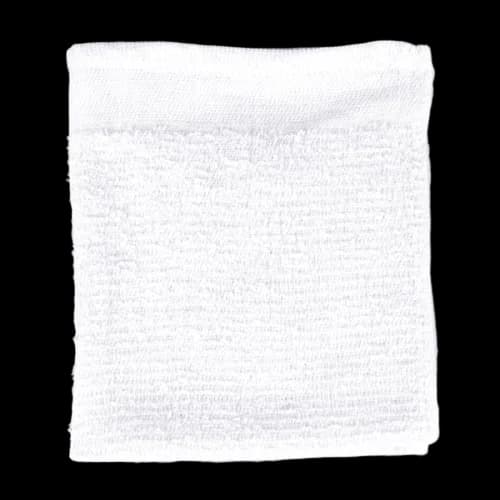
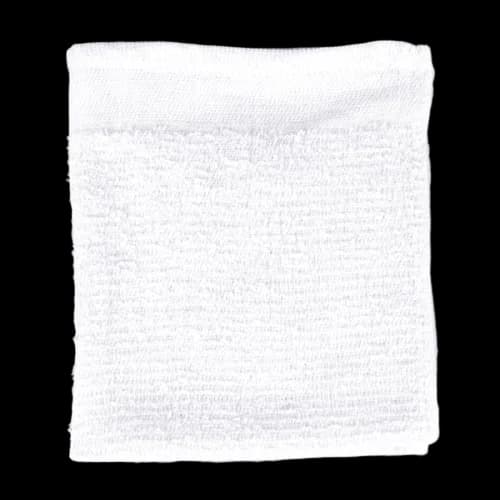
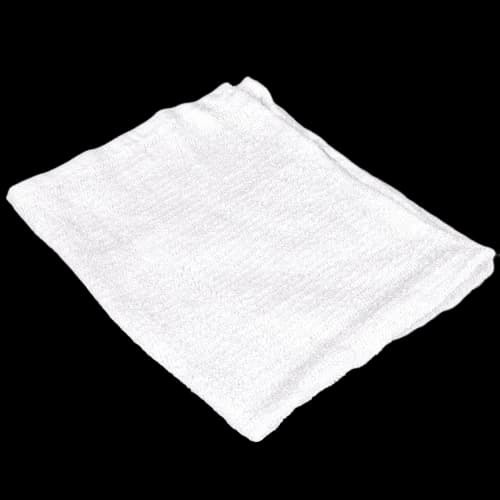
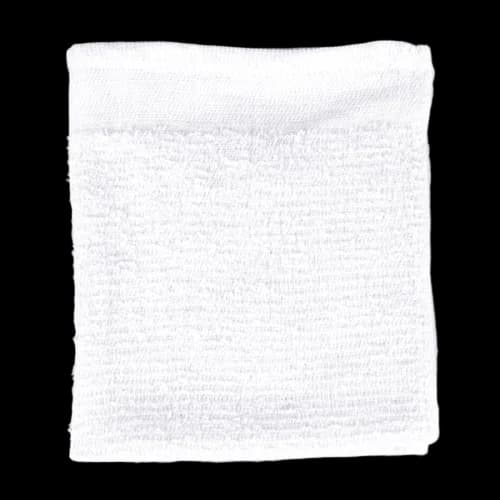
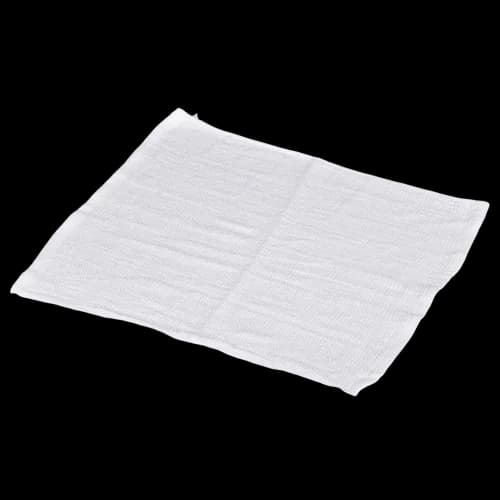
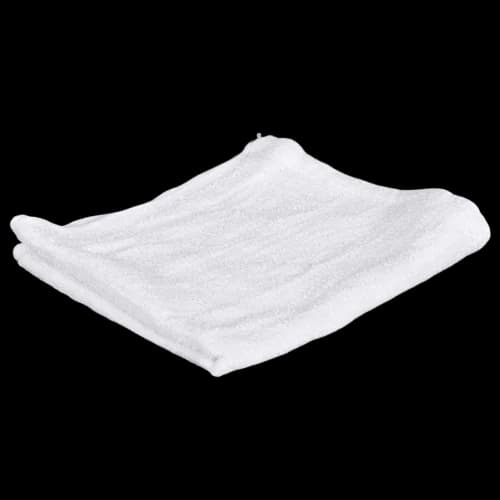
Bar Towels
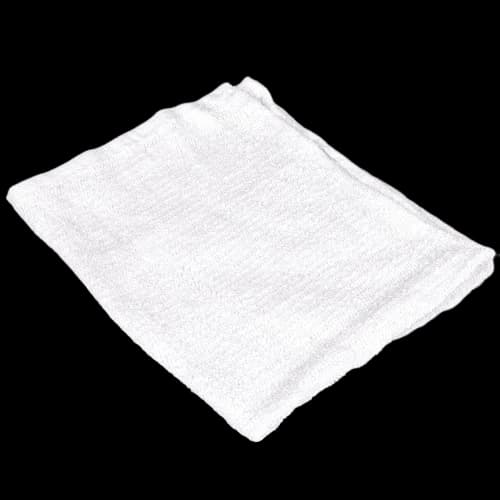
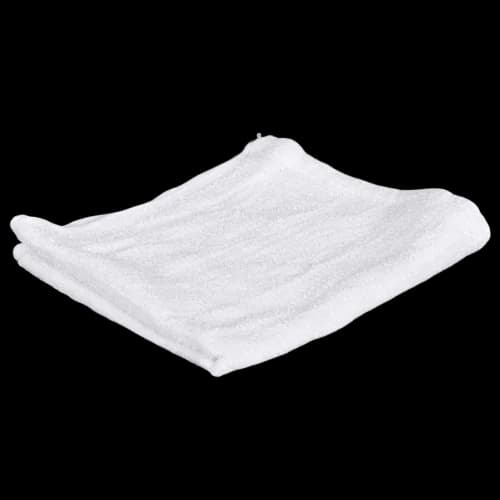
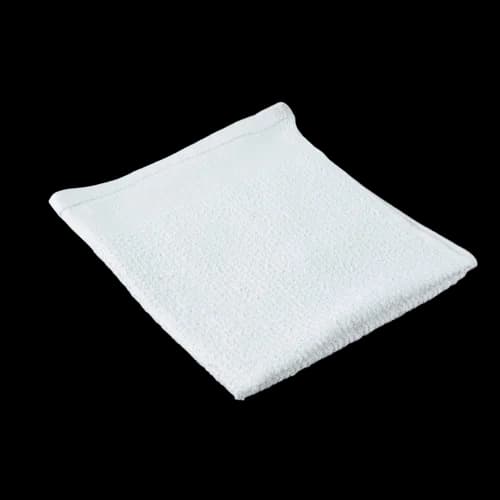
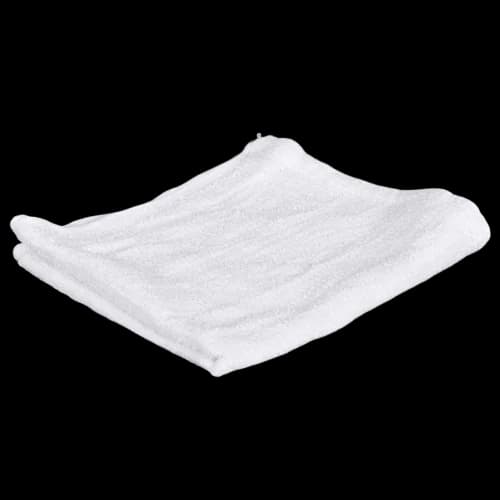
Professional bar towels & bar mops for commercial use. Super absorbent cotton towels with stripe patterns for bars & restaurants.
Wholesale Pricing for Restaurants & BarsHigh AbsorbencyRibbed CottonLint-Free OptionsBulk CasesLearn More About This CollectionShow Less
Wholesale Bar Towels & Bar Mops - Bulk Terry Towels
Stock up on wholesale bar towels and bar mops at bulk pricing. Our restaurant terry towels and ribbed bar mops handle heavy-duty wiping and cleaning, while specialty glass polishing cloths ensure streak-free presentation. Perfect for bars, restaurants, and commercial kitchens needing reliable cleaning towels at wholesale prices.
Our wholesale bar towels and bulk bar mops meet the demands of busy restaurant and bar environments. These restaurant terry towels provide the absorbency and durability that bartenders depend on for managing spills, wiping down surfaces, and maintaining clean workstations throughout service. Stock up on bulk terry towels at wholesale pricing.
Beyond basic bar mops, our collection includes microfiber glass polishing cloths that leave glassware spotless and presentation-ready. The lint-free construction prevents fiber transfer that can mar the appearance of premium stemware. Establishments requiring additional cleaning supplies can pair bar towels with our kitchen towel selection for comprehensive back-of-house coverage.
High-volume bars appreciate our bulk case pricing that keeps replacement stock readily available. Color-coded options help separate cleaning towels from service towels for food safety compliance. For broader hospitality textile needs, explore our wholesale commercial programs covering hotels, spas, and multi-service venues.
High Absorbency
Terry towels absorb spills fast
Ribbed Cotton
Classic bar mop construction
Lint-Free Options
Glass polishing without streaks
Bulk Cases
Wholesale packs for restaurants
Bar Towel Features
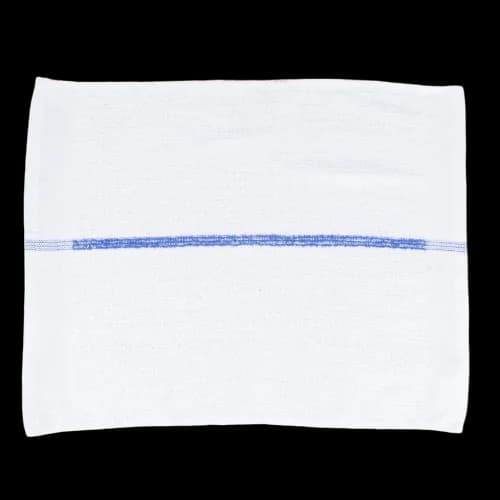
- 16x19 inch standard bar mop size
- Ribbed weave for scrubbing action
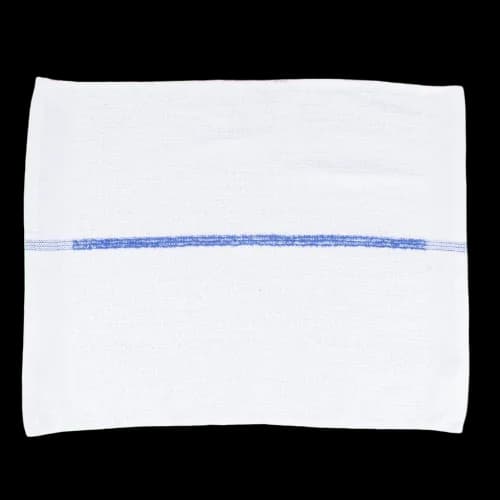
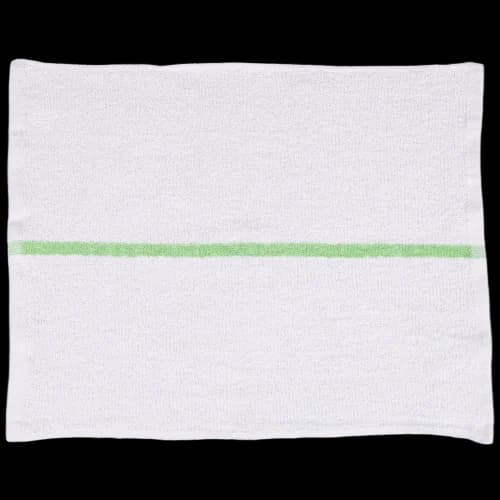
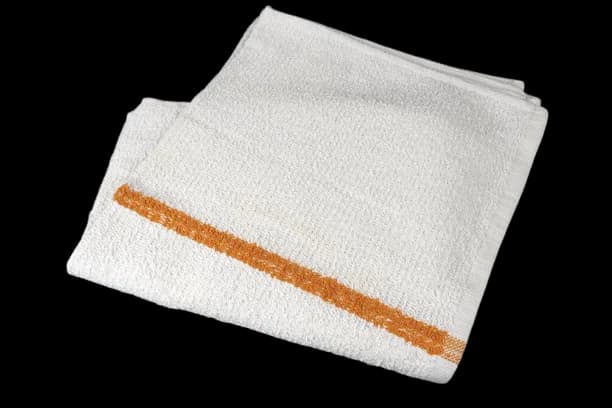
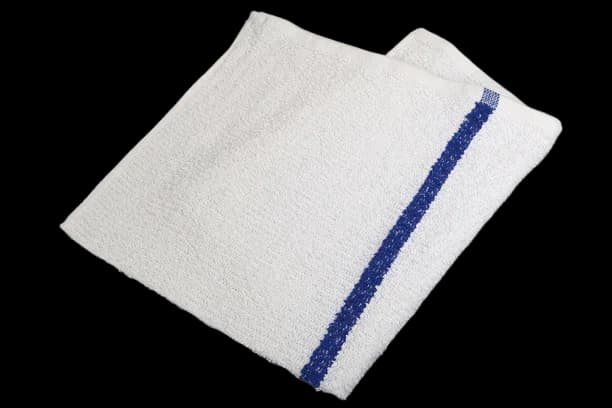
- Center stripe for easy identification
- Bleach-safe white cotton construction
- 100% cotton for maximum absorbency
Common Questions
What's the difference between bar towels and bar mops?
Bar towels and bar mops are often used interchangeably, but there's a subtle distinction. Bar mops (also called bar mop towels) are the classic white cotton towels with a looped terry weave—the workhorse of commercial kitchens. They're designed for heavy-duty wiping, cleaning surfaces, and handling hot cookware. Bar towels is a broader term that includes bar mops plus other styles like ribbed towels, herringbone towels, and decorative bartender towels used front-of-house. Ribbed bar towels have a flat, textured weave that's more lint-free than terry, making them better for glassware polishing. For back-of-house cleaning and general kitchen use, standard bar mop towels are your best choice—they're cheap, absorbent, and built for abuse. For bartender stations where customers can see, many bars prefer the cleaner look of ribbed or herringbone bar towels. Most restaurants stock both: bar mops for the kitchen, lint-free options for the bar top.
What size are standard bar towels?
The industry standard size for bar towels is 16x19 inches or 17x20 inches. This size is large enough to fold into quarters for efficient wiping but compact enough to tuck into an apron or drape over a bartender's shoulder. Size breakdown by use: 16x19" or 17x20" is the standard bar mop size, most common for restaurants and bars. 14x17" is slightly smaller, good for tight bar stations or portion control on towel costs. 12x12" bar-sized wash cloths are often used for wiping down bottles or detail cleaning. 15x18" is a mid-size option, popular for food service. The 17x20 size dominates because it fits commercial laundry systems efficiently and provides enough surface area to handle spills without constant re-folding. When ordering bar towels in bulk, stick with 16x19 or 17x20 unless you have a specific reason to go smaller.
What weight bar towels should I buy?
Bar towel weight is measured in ounces per dozen. Heavier towels are thicker, more absorbent, and last longer—but cost more and take longer to dry. Weight guide: 20-24 oz/dozen is economy grade—thin, lightweight, fast-drying, good for high-volume operations where you burn through towels quickly, expect 50-75 wash cycles before replacement. 28-30 oz/dozen is mid-weight, the sweet spot for most bars and restaurants—balances absorbency with cost, feels substantial without being bulky, expect 100-150 wash cycles. 32+ oz/dozen is heavy-duty premium with maximum absorbency and durability, best for establishments that want fewer towel changes throughout a shift, expect 150-200+ wash cycles. For bartender towels that stay on the bar top, 28-30 oz provides a professional appearance. For back-of-house kitchen use where you'll toss towels into a bin after one use, 24 oz economy towels make more financial sense.
Why do bar towels have colored stripes?
The colored center stripe on bar towels serves a practical purpose: organization and hygiene control. Different stripe colors let you assign towels to specific tasks, preventing cross-contamination. Common color-coding systems: Blue stripe for general cleaning and wiping down surfaces. Green stripe for food prep areas and produce handling. Red stripe for raw meat areas only (prevents cross-contamination). Gold/Yellow stripe for sanitizer solution towels. No stripe (plain white) for front-of-house, customer-facing areas. Health departments and food safety certifications like ServSafe recommend color-coding towels to prevent bacteria transfer between stations. A towel used to wipe raw chicken juice should never end up polishing glassware. Beyond safety, stripes make inventory management easier. When sorting laundry, staff can quickly separate towels by department. Many operations buy 2-3 stripe colors to maintain clear boundaries between kitchen zones.
How many bar towels does a restaurant need?
A general rule is 3-4 towels per service hour per station. For a typical bar with 2 bartenders running a 6-hour dinner shift, that's roughly 48-72 towels per night just for the bar. Detailed breakdown by area: Bar station needs 3-4 towels per bartender per hour. Kitchen line needs 2-3 towels per cook per hour. Dishwashing needs 4-6 towels per shift. Bussing/front-of-house needs 1-2 towels per server per shift. Recommended inventory levels: Small bar (1-2 bartenders) minimum 120 towels, recommended 180. Restaurant (full kitchen) minimum 240 towels, recommended 360. High-volume bar/club minimum 300 towels, recommended 500+. Always maintain enough inventory for at least 2-3 days of operation plus laundry turnaround time. Running short forces staff to reuse dirty towels—a health code violation waiting to happen. When ordering bar towels in bulk, round up to the next case quantity. The per-unit discount on larger orders typically offsets the extra inventory investment.
Are bar towels better than paper towels for restaurants?
For most commercial applications, reusable bar towels beat paper towels on cost, performance, and sustainability. Cost comparison: A case of bar towels (~60 towels) costs around $50-70 and lasts 6-12 months with proper care. The equivalent paper towel usage for a busy bar runs $200-400+ per month. Over a year, switching to cloth saves most operations $2,000-4,000. Performance advantages: More absorbent than paper (cotton holds 25x its weight vs. paper's 10x), won't tear or leave fibers behind, better grip for handling hot items, can be sanitized and reused throughout a shift. When paper towels make sense: single-use sanitation requirements (some health codes), customer-facing hand drying, extremely greasy tasks where towels would be ruined. Most successful operations use both: bar towels for 90% of tasks, paper for specific sanitation needs. The environmental benefit of reducing paper waste is a bonus that resonates with eco-conscious customers.
How do you wash bar towels commercially?
Commercial bar towels need hot water and proper sanitization to meet health codes. Washing protocol: Separate by use—keep kitchen towels separate from bar towels and floor towels. Pre-soak heavily soiled towels to remove grease and prevent setting stains. Wash hot at 140-160°F minimum for sanitization. Use commercial detergent (standard laundry soap, no fabric softener as it reduces absorbency). Add sanitizer or bleach following health department guidelines for your area. Dry completely—damp towels breed bacteria and develop mildew smell. What to avoid: Fabric softener (coats fibers, reduces absorbency), overloading machines (towels won't get clean), mixing with other laundry (cross-contamination risk), air-drying in piles (mildew growth). For high-volume operations, consider a linen service that handles towel washing and replacement. The cost often equals or beats in-house laundering when you factor in water, energy, detergent, and labor.
What's the difference between terry and ribbed bar towels?
Terry and ribbed bar towels serve different purposes in professional kitchens and bars. Terry bar towels (bar mops) feature looped pile construction like bath towels, providing maximum absorbency. They're ideal for mopping up large spills, cleaning greasy surfaces, and general heavy-duty kitchen tasks. The loops create more surface area to trap liquid. However, terry can leave lint on glasses and smooth surfaces. Ribbed bar towels have a flat, textured weave with raised horizontal lines. They're less absorbent than terry but virtually lint-free, making them perfect for polishing glassware, wiping down bar tops, and any task where a clean finish matters. The ribbed texture still provides scrubbing action without fiber transfer. Best practice: Stock both types. Use terry bar mops for back-of-house cleaning, dish drying, and handling hot cookware. Use ribbed towels for front-of-house bar service, glass polishing, and detail work. Many bartenders prefer ribbed towels for their stations because they look more professional and don't leave fuzz on cocktail glasses.
Frequently Asked Questions
Common questions about our wholesale bar towels
What's the difference between bar towels and bar mops?
What size are standard bar towels?
What weight bar towels should I buy?
Why do bar towels have colored stripes?
How many bar towels does a restaurant need?
Are bar towels better than paper towels for restaurants?
How do you wash bar towels commercially?
What's the difference between terry and ribbed bar towels?
Related Categories
Need Help Finding the Right Products?
Our wholesale experts are ready to assist with product selection and bulk ordering