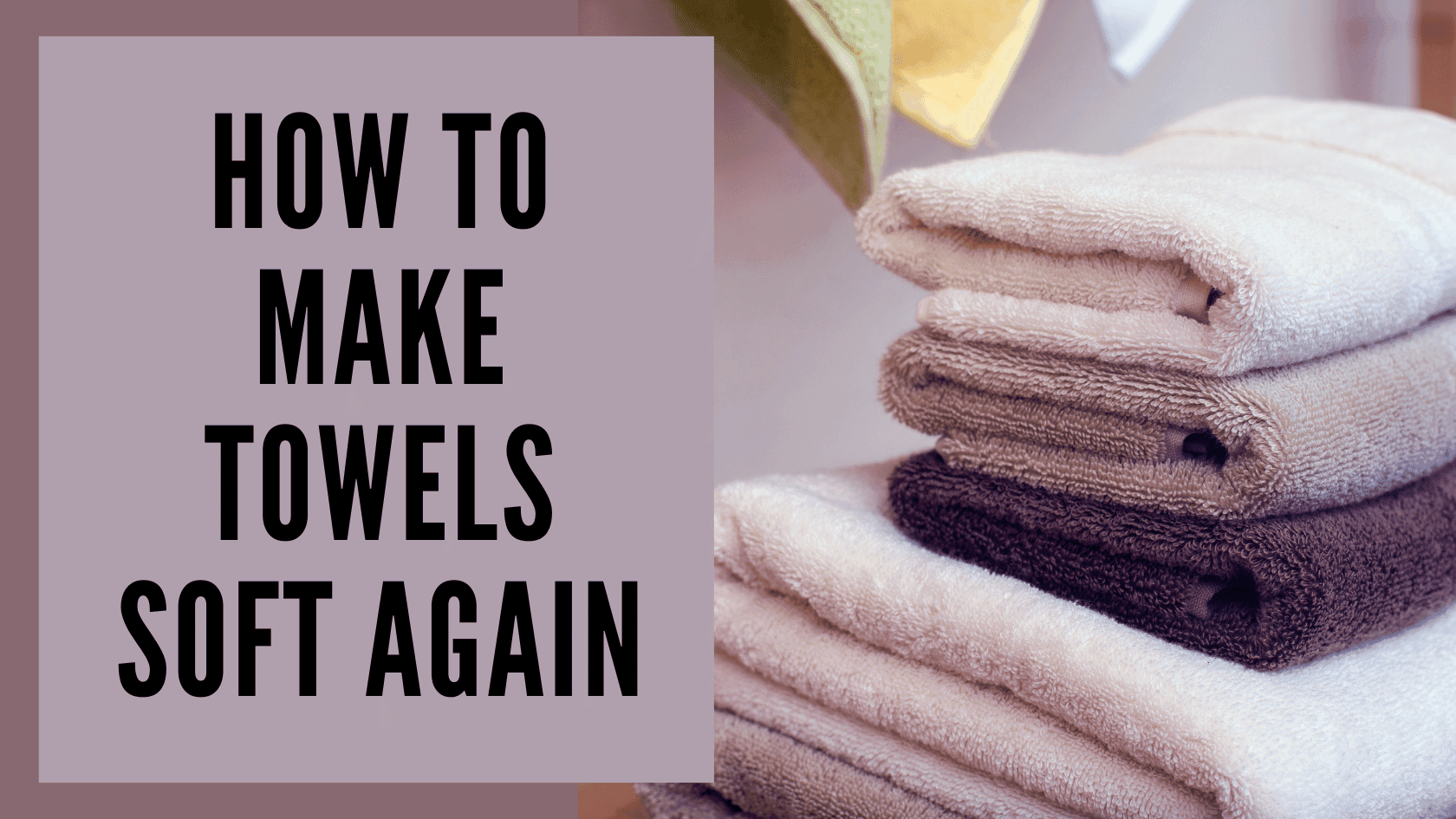

How to Make Towels Soft Again
In this guide:
- What causes towels to become stiff in commercial laundry settings?
- How does water hardness affect towel softness and what can you do about it?
- What washing techniques restore softness without damaging fibers?
- What drying methods preserve towel softness for bulk loads?
- How often should you deep clean towels to maintain softness?
- Frequently asked questions
Every hotel housekeeping manager, spa operator, or gym owner has faced the same frustration. You pull a stack of freshly laundered towels from the dryer and they feel rough, board stiff, and uninviting. That stiff texture signals lost softness and reduced absorbency, two properties your B2B clients depend on. Restoring softness is not about gimmicks. It is about understanding what causes the stiffness and applying proven commercial laundry methods.
Towels stiffen from detergent residue, fabric softener buildup, and hard water minerals. Wash with hot water and minimal detergent, add white vinegar to the rinse, skip fabric softener, and dry on low heat with dryer balls. Deep clean every 10 to 15 cycles.
What causes towels to become stiff in commercial laundry settings?
In bulk laundry operations, the single biggest cause of stiff towels is residue from detergent and fabric softener. Most commercial detergents contain surfactants that cling to cotton fibers. When you use too much detergent or wash in hard water, that soap residue does not rinse away completely. Over 200 to 300 wash cycles, the buildup becomes a waxy coating. It locks the fibers together and makes the towel feel like cardboard. Fabric softener adds an even thicker layer of fatty compounds. These compounds reduce water absorption by up to 40 percent. That is unacceptable for a hotel towel that needs to dry a guest after a shower.
Water hardness makes the problem worse. Hard water contains calcium and magnesium ions. A typical level of 10 grains per gallon leaves mineral deposits inside the towel structure. These minerals react with detergent to form a sticky salt that binds to the cotton. The result is a stiff, brittle towel that loses its plush hand feel. In areas with hard water above 7 grains per gallon, you will notice towels turning stiff after just 30 to 50 cycles. Installing a water softener can cut that buildup by 90 percent. If you cannot soften the incoming water, you need to adjust your wash chemistry.
Heat damage also stiffens towels. Commercial dryers often run at 170°F (77°C) or higher to speed turnaround. That high heat damages the cotton fiber's outer cuticle. The fibers become rough and less flexible. Overdrying is another factor. When towels lose all moisture, the fibers dry in a rigid, flattened shape. A study from the University of Minnesota Extension shows that overdrying reduces fabric abrasion resistance by 30 percent. The same source confirms that drying at 130°F (54°C) preserves fiber integrity better than high heat. For B2B buyers managing 100 to 500 unit orders, avoiding these mistakes saves money on replacements.
How does water hardness affect towel softness and what can you do about it?
Water hardness is the invisible enemy of soft towels. Hard water contains dissolved calcium and magnesium carbonates. When these minerals come into contact with detergent, they form insoluble curds that deposit deep inside the towel's twist. Over 50 wash cycles, a 400 GSM bath towel can accumulate up to 2 percent of its weight in mineral residue. That residue makes the fibers brittle and reduces the towel's absorbency by 15 to 20 percent. For a hotel housekeeping department washing 500 pounds of towels each day, that means a noticeable drop in performance within two months.
You can measure your water hardness with a simple test strip or by contacting your local water utility. Levels below 3 grains per gallon are soft. Between 3 and 7 grains is moderate. Above 7 grains is hard. For commercial laundry, every grain above 3 requires extra detergent to achieve the same cleaning. That extra detergent itself contributes to stiffness. The most effective solution is a point of use water softener on the hot water line feeding your washing machines. An ion exchange softener removes calcium and magnesium and replaces them with sodium. This single change can extend towel softness by two to three times compared to untreated water.
If a water softener is not in your budget, you can compensate with a chelating agent added to the wash cycle. Many commercial detergents already contain chelators like EDTA or sodium citrate. But in hard water above 10 grains per gallon, you need a separate booster. A rule of thumb is to add 1 ounce of a calcium sequestrant per 10 gallons of water for every grain of hardness above 5. This prevents mineral from depositing on the towels. You can also use a rinse cycle with white vinegar. Vinegar is a weak acid that dissolves calcium carbonate. Use 1 cup per standard 50 pound load. Test it on a small batch first. The CDC has detailed guidance on water quality for healthcare laundry that applies to any commercial setting. Check their guidelines at CDC Laundry Guidelines.
What washing techniques restore softness without damaging fibers?
The most effective technique for restoring softness is a hot water wash with minimal detergent. Set your machine to 140°F (60°C). That temperature melts residual waxes from fabric softeners and dissolves detergent buildup better than cooler water. Use only 75 percent of the detergent you normally would for a given load. Overdosing is the primary cause of stiffness. In a 50 pound load of 500 GSM hotel towels, that means about 3 ounces of liquid detergent instead of 4 ounces. If you use powder detergent, reduce the amount by one quarter. Hot water also kills bacteria and removes body oils that attract soil. The EPA recommends washing at 140°F or above for effective disinfection in commercial laundry.
Add white vinegar to the final rinse cycle. Vinegar is a mild acetic acid. It neutralizes alkaline detergent residue and breaks down mineral deposits. Use 1 cup of standard 5 percent white vinegar per 50 pound load. Pour it directly into the rinse compartment. Do not pour it on dry towels. The vinegar will not leave any smell after the rinse. It also brightens white towels and helps restore the original pH balance of the cotton fiber. For heavily stiff towels that have been through many cycles, repeat the process a second time. You should see a noticeable difference after the first treatment. The fibers will feel less crusty and more pliable. Use a neutral pH laundry detergent designed for commercial use to avoid further buildup.
Baking soda can also help. Add 1/2 cup of baking soda to the wash cycle along with your reduced detergent. Baking soda is sodium bicarbonate. It buffers the pH and helps break down fatty residues from fabric softener. It also softens the water slightly. For maximum effect, use baking soda in the first wash cycle of the day to clear any soap scum from the machine. Then run your towel load with vinegar in the rinse. This two step process can restore towels that have been stiff for months. Remember to avoid chlorine bleach on colored towels. Bleach weakens the cotton and can cause yellowing. For whites, use a non chlorine oxygen bleach if needed. Your towels will feel soft and look bright after three to five cycles of this routine.
What drying methods preserve towel softness for bulk loads?
Drying method is just as important as washing. High heat damages cotton fibers. Set your commercial dryer to a medium temperature of 140°F (60°C). That is hot enough to remove moisture but low enough to prevent fiber degradation. Do not exceed 150°F (66°C) for long periods. Overdrying is a common mistake. When towels reach 2 percent moisture content, they become stiff. Aim for a final moisture content of 4 to 6 percent. A towel that feels slightly damp at the end of the cycle will fluff up and soften as it cools. In a 100 pound dryer, reduce the drying time by 5 minutes from your usual setting. Test by feel. The towels should be warm and slightly flexible.
Use dryer balls in every load. Dryer balls are rubber or wool spheres that bounce around in the drum. They physically beat the fibers apart and prevent them from matting together. This action fluffs the towels and reduces drying time by 10 to 15 percent. For a 50 pound load, use 6 to 8 balls. They also help distribute heat evenly. Do not use fabric softener sheets. Those sheets coat the towels with a waxy film that reduces absorbency. Instead, let the mechanical action of tumbling restore softness. If you need extra fragrance, add a few drops of essential oil to a dryer ball. This method keeps the towels free of residues that cause stiffness later.
Do not overload the dryer. Towels need room to tumble freely. In a 100 pound capacity dryer, load only 75 to 80 pounds of damp towels. Overcrowding forces the towels to stay pressed together. They dry unevenly and come out stiff on the inside. Remove towels from the dryer while they are still slightly warm. Fold them immediately or shake them out. This prevents creases and keeps the fibers from setting in a flat position. For hotel towels with a 600 GSM weight, proper drying preserves the loop structure that gives that plush feel. The FTC requires accurate care labeling on textile products. See their rules at FTC Textile Product Rules. Following these drying steps will make your wholesale bath towels feel like new after every wash.
How often should you deep clean towels to maintain softness?
Deep cleaning is not the same as regular washing. Regular washing uses detergent and hot water to remove dirt and body oils. Deep cleaning targets the accumulated residues that cause stiffness. For B2B buyers managing rotating linen inventories, deep clean every 10 to 15 wash cycles. That means if you wash towels daily, deep clean once every two weeks. If you wash every other day, deep clean once a month. Mark the schedule on your laundry log. The deep cleaning process uses the same hot water cycle at 140°F (60°C) but with extra vinegar and baking soda. No detergent in the deep clean cycle. Let the vinegar and baking soda strip away the buildup.
A deep clean cycle should last for a full wash and rinse. Use 2 cups of white vinegar in the main wash instead of in the rinse. Add 1 cup of baking soda directly to the drum before starting. Do not mix them together. The interaction will fizz and lose potency. Let the machine agitate for 10 minutes, then stop and let the towels soak for 30 minutes. Then run the rest of the cycle. This soak time allows the acid and alkaline agents to penetrate the fibers. After the cycle, run an extra rinse to remove any loosened residue. The water from the final rinse should be clear. If it is cloudy, repeat the extra rinse. You will see the towels feel softer immediately after this deep clean.
Between deep cleans, maintain softness by using the correct detergent dosage. Measure your water hardness and adjust detergent accordingly. For every 5 grains of hardness above 3, reduce your detergent by 10 percent. The USDA recommends not exceeding 1.5 pounds of detergent per 100 pounds of laundry for most commercial machines. Tracking wash cycle count is easy with a simple counter app or a paper log. When you hit 15 cycles on a batch of towels, deep clean them. This schedule works for all towel types from 300 GSM spa towels to 700 GSM hotel terry. For your wholesale hotel towels, consistency matters. A routine deep clean keeps them soft for hundreds of cycles. University extension research on laundry routines confirms that periodic stripping of residues extends fabric life by up to 50 percent. Read more at University of Minnesota Water Hardness Guide.