
Understanding the Different Types of Aprons
In this guide:
- Commercial Kitchen Apron Materials
- Bib Aprons vs Waist Aprons
- Apron Features for Salons and Spas
- Wash Cycle Durability for Commercial Aprons
- Aprons for Gym and Janitorial Staff
- Frequently Asked Questions
Choosing the right apron for your business means understanding the different types of aprons and how each design serves a specific purpose. For hotel housekeeping managers, salon owners, spa operators, gym managers, and restaurant buyers placing bulk orders of 100 to 500 units, the right apron saves money and keeps staff comfortable. We break down material, construction, and durability so you can order with confidence.
TLDR: Matching apron type to your staff's work environment extends apron life by 30 percent and reduces replacement costs. Focus on GSM, fabric blend, and wash cycle ratings.
Commercial Kitchen Apron Materials
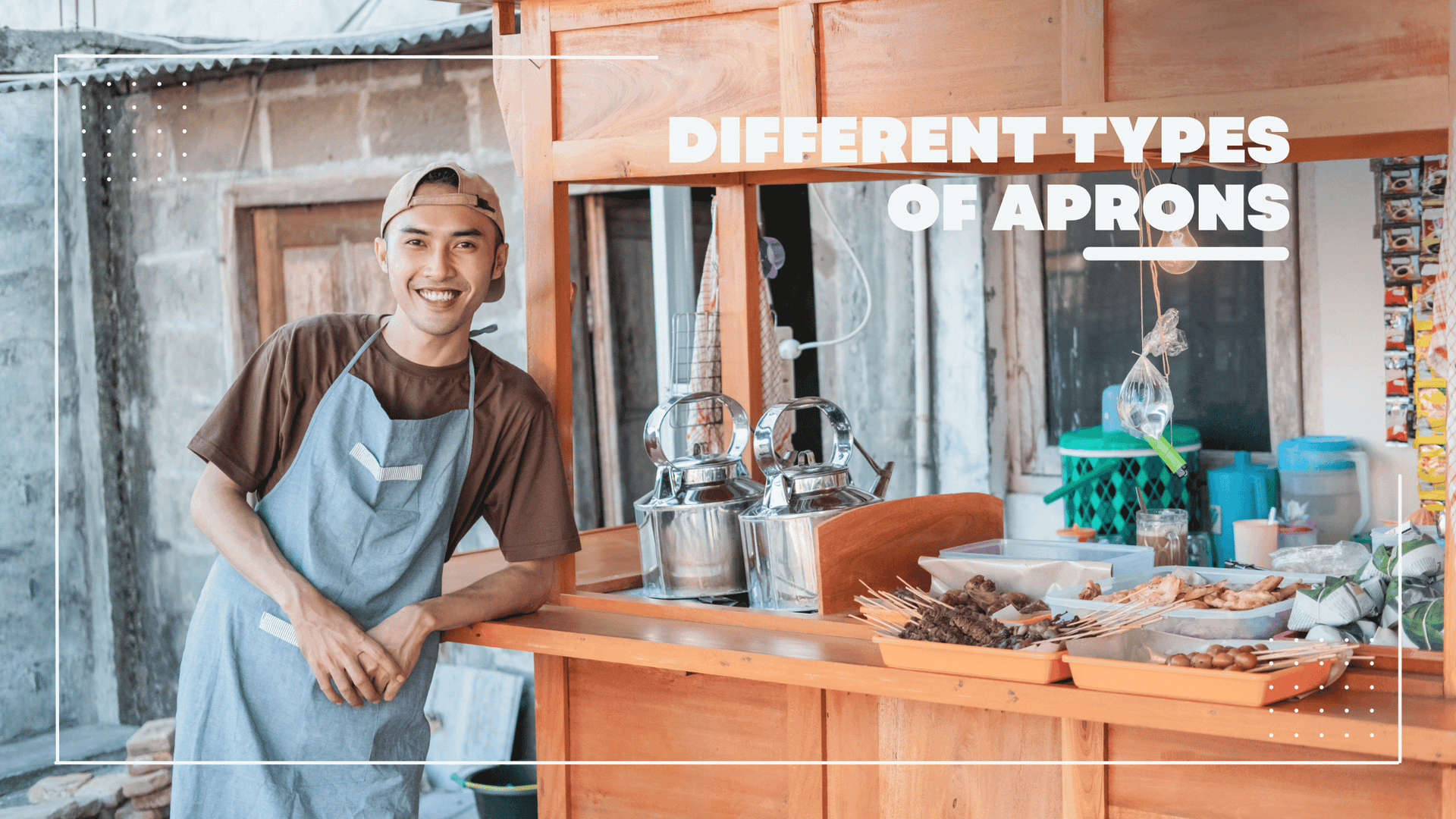
Kitchen staff face high heat, grease splatter, and constant movement. Cotton and poly-cotton blends dominate this category. Pure cotton aprons with a GSM of 250 to 300 provide breathability and absorb sweat. They withstand oven temperatures up to 350°F (177°C) without melting. Poly-cotton blends add wrinkle resistance and dry faster between shifts. A 65 percent polyester, 35 percent cotton weave holds up to 100 industrial wash cycles before showing fraying.
Stain resistant finishes are a smart upgrade for busy kitchens. These treatments repel oil and sauce stains by creating a barrier on the fabric. The finish lasts about 20 to 30 washes before needing reapplication. Look for aprons that meet OSHA heat exposure guidelines for kitchen worker safety. Full bib aprons cover the chest and provide a large surface for branding. Chef aprons add reinforced stitching at stress points like neck loops and waist ties.
Weight matters when staff move between stations. Aprons under 200 GSM feel light but may not block hot oil splatters. Aprons above 300 GSM become stiff and uncomfortable in humid kitchens. Test a sample before placing bulk orders. Many suppliers offer free swatches. Pair your aprons with wholesale bath towels for hand drying stations and cleanup tasks.
Bib Aprons vs Waist Aprons
Bib aprons cover the torso from chest to knee. They protect clothing from spills, splashes, and dust. Waist aprons only cover from waist to mid thigh. Front of house staff like servers and bartenders prefer waist aprons for freedom of movement. They can bend and reach without fabric pulling at the neck. Bib aprons make sense for back of house roles where full coverage is nonnegotiable.
Length varies between styles. Bib aprons range from 30 to 36 inches long. Waist aprons run 18 to 24 inches. Tie styles affect comfort. Cross back ties distribute weight evenly and reduce neck strain. Standard neck loops work fine for lighter aprons. Adjustable straps let you fit different body types across your team. A proper fit reduces the risk of apron strings catching on equipment.
Bulk buyers often split orders. Order bib aprons for cooks and dishwashers. Order waist aprons for hosts and bartenders. This saves money because you only buy the features each role needs. For front of house staff who also bus tables, waist aprons with a single utility pocket hold pens, order pads, and small change. Consider wholesale beach towels for pool staff who need quick drying aprons that resist chlorine.
Apron Features for Salons and Spas
Salon and spa aprons must resist water, hair dye, and chemical stains. Water resistant coatings on polyester or nylon fabrics keep liquids from soaking through. Look for a GSM around 180 to 220 for lightweight comfort during eight hour shifts. Adjustable neck straps and side ties let stylists move freely around clients. Multiple utility pockets keep shears, combs, and products within reach.
Bleach safe fabrics are important for salons that use color treatments. White aprons show stains quickly. Black or dark gray hides marks between washes. A good quality salon apron lasts 80 to 100 washes when washed at 160°F (71°C). Higher temperatures kill bacteria without damaging the fabric. Follow CDC laundry hygiene guidelines to prevent cross contamination between clients.
Spas prefer longer bib aprons that cover the front of the body during massage and facial treatments. Some aprons include a towel loop for quick access to linens. Many spa buyers pair aprons with wholesale hotel towels to maintain a consistent look across treatment rooms. For nail technicians, a waist apron with multiple small pockets works best. It keeps files, polishes, and tools organized without getting in the way of the client.
Wash Cycle Durability for Commercial Aprons
Commercial aprons face repeated washing at high temperatures. A premium apron rated for 100 plus wash cycles loses less than 5 percent of its original GSM. Lower quality options start fraying at seams after 50 washes. Fabric weight and weave construction directly affect longevity. A tight weave with double stitched hem lines holds up better than a loose weave with single stitching.
Shrinkage is a common problem. Most cotton aprons shrink 3 to 5 percent after the first wash. Pre shrunk fabrics minimize this. Order aprons one size larger if you plan to wash at high heat. Always test a sample load before committing to a bulk order. The ASTM textile standards provide benchmarks for fabric strength and shrinkage rates. Look for aprons that meet ASTM D3786 for bursting strength.
Color fading happens over time. Dark aprons show fading more than light colors after about 60 washes. Some suppliers offer re dye services for large accounts. Budget for replacement every 12 to 18 months depending on wash frequency. High volume kitchens that run three loads a day may need replacement every nine months. Track usage with a simple log. That data helps you forecast orders and avoid stockouts.
Aprons for Gym and Janitorial Staff
Gym and janitorial staff need aprons that hold up to sweat, cleaning chemicals, and constant movement. Polyester or heavy poly cotton blends with a GSM around 300 work best. Water resistant coatings protect against splashes from mop buckets and spray bottles. Reinforced stitching at stress points prevents rips when bending or lifting.
Pocket configuration matters for these roles. Gym staff use aprons to carry phones, keys, and towels. Janitorial staff need deep pockets for spray bottles, gloves, and small tools. Look for aprons with at least two front pockets sized five inches wide by six inches deep. Some aprons include a D ring for hanging keys or a small towel. Avoid aprons with metal hardware if staff work near chemicals that cause corrosion.
Breathability is less critical here than durability. Polyester resists mold and mildew better than cotton. It dries quickly after a wet shift. A quality gym apron lasts about 80 washes. Replace sooner if you notice fraying around pocket edges. For gym towel attendants, a waist apron works fine. It allows free arm movement while restocking shelves. Pair these aprons with wholesale bath towels for shower areas and with wholesale beach towels for poolside service.