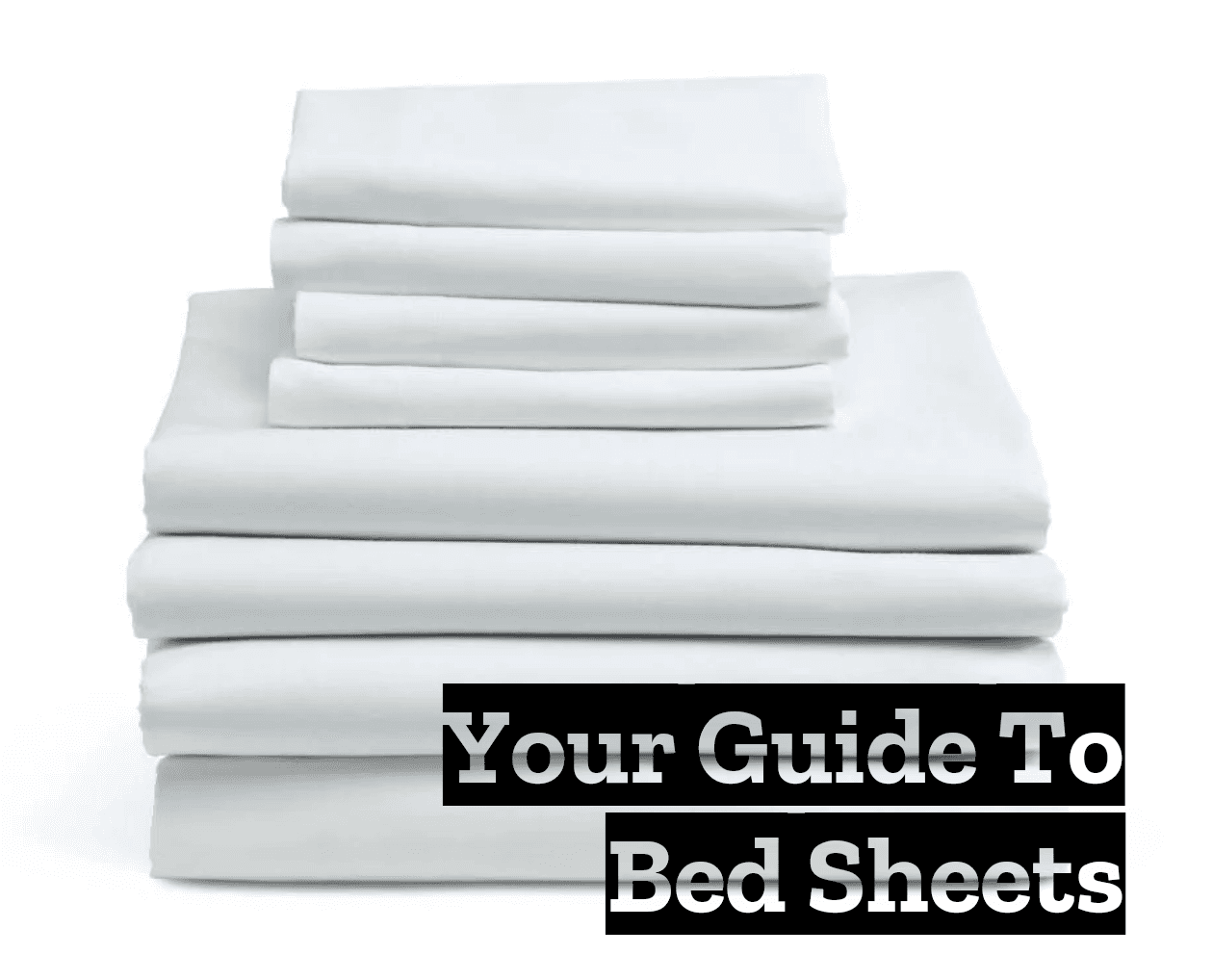

Your Guide to Bed Sheets
In this guide:
- What thread count should I look for in commercial bed sheets?
- Percale vs sateen: which is better for hospitality?
- What materials are best for commercial bed sheets?
- How do I care for bed sheets to maximize lifespan?
- How do I ensure proper fit for different mattress sizes?
- Frequently Asked Questions
When you buy bed sheets for your hotel, spa, or gym, you need products that last through hundreds of wash cycles while keeping guests comfortable. This guide cuts through the marketing fluff and gives you the facts you need to make smart bulk purchases. We cover thread count, weave, materials, care, and sizing so you can order with confidence.
For commercial bed sheets, choose a 50/50 cotton polyester blend with a percale weave and a thread count around 250 to 400. This combination offers the best balance of comfort, durability, and cost for high turnover environments.
What thread count should I look for in commercial bed sheets?
Thread count measures the number of threads per square inch. Many buyers think higher is always better. That is not true. For commercial sheets, a thread count between 200 and 400 for percale weaves and 300 to 600 for sateen weaves gives you the best performance. Beyond 600, the fabric often uses multi ply yarns that can feel stiff and do not breathe well. In a hotel setting, airflow matters. Guests sleep cooler and complain less when sheets have moderate thread counts.
Fiber length matters more than thread count. Long staple cotton, like Egyptian or Pima, produces stronger yarns. A 300 thread count sheet made from long staple cotton will outlast a 600 thread count sheet made from short fibers. For bulk orders of 100 to 500 units, look for suppliers who specify fiber length. We recommend at least 1 3/8 inch staple. This ensures your sheets survive 100 to 150 industrial wash cycles before showing thinning or tears. Washing at 160°F (71°C) accelerates wear, so quality fiber is critical.
GSM (grams per square meter) is another metric to watch. For percale sheets, a GSM of 110 to 130 is standard. Sateen sheets often run 130 to 150 GSM. Higher GSM can mean heavier fabric but does not guarantee durability. A 120 GSM percale sheet from long staple cotton will outperform a 150 GSM sheet from short fibers. Focus on fiber quality, thread count range, and weave type rather than chasing a high number. The FTC has guidance on deceptive textile labeling, so check your supplier's claims.
Percale vs sateen: which is better for hospitality?
Percale is the standard choice for commercial hospitality. It uses a one over one under weave that creates a crisp, matte finish. Percale breathes well and feels cool to the touch. It holds up better to frequent washing because the tight weave resists fraying. In a hotel with 150 rooms turning over daily, percale sheets typically last 200 to 300 wash cycles before pilling or thinning appears. You can machine wash percale at 140°F (60°C) without worrying about shrinkage beyond 3 to 5 percent after the first few washes.
Sateen has a silky, smooth surface from a three over one under weave. It looks luxurious but is less durable. Sateen shows wear faster in high turnover environments. The floats in the weave are longer and more exposed, which leads to pilling after 80 to 120 washes in industrial laundry. Sateen also traps more heat, which can cause guest comfort complaints during warmer months. If you run a boutique hotel with a lower occupancy rate and want a premium feel, sateen may work. But for volume operations, percale wins.
Choose percale for room sheets and pillowcases used by every guest. Reserve sateen for top sheets that see less direct wear or for higher end suites. You can also mix weaves to balance budget and guest experience. Remember that sateen requires lower wash temperatures, around 120°F (49°C), to preserve the finish. That means longer wash cycles to achieve sanitation, which adds time and energy costs. The CDC outlines laundry disinfection standards that apply to both weaves.
What materials are best for commercial bed sheets?
A 50/50 cotton polyester blend is the workhorse of the linen industry. It combines the softness and absorbency of cotton with the strength and wrinkle resistance of polyester. This blend withstands repeated washing at 140°F (60°C) without losing shape or color. For bulk orders of 200 or more sets, the cost per unit is significantly lower than pure cotton. The polyester content also reduces drying time by 20 to 30 percent, saving on utility bills.
Pure cotton sheets, even high quality long staple varieties, may not withstand 300 plus wash cycles in industrial laundry. Cotton fibers weaken over time, especially with bleach based detergents. A 100 percent cotton percale sheet from Egyptian cotton might last 150 to 200 washes. That is acceptable for a spa or gym with moderate use, but for hotels running three shifts of laundry, a blend gives better return on investment. For spas and salons where guest touch is brief, a 60/40 cotton polyester blend is also a good match.
Polyester content above 50 percent, like 65/35 blends, can feel less breathable and may cause sweating. Stick to a 50/50 ratio for the best balance. Microfiber sheets (100 percent polyester) are cheap but trap oil and sweat, leading to odor after 30 to 40 washes. They are not recommended for hospitality. For gyms and salons where sheets see heavy soil and frequent washing, a 50/50 blend with a percale weave is the most practical choice. Check the fabric weight too: 3.5 to 4.5 ounces per square yard is typical for commercial sheets.
How do I care for bed sheets to maximize lifespan?
Wash sheets at 140°F (60°C) to kill bacteria and remove oils without damaging fibers. Higher temperatures, like 160°F (71°C), cause cotton and polyester fibers to break down faster. Your sheets will lose 20 to 30 percent of their tensile strength after 100 washes at high heat. Use a neutral pH detergent with a pH between 6 and 8. Acidic detergents degrade cotton; alkaline ones harm polyester. Avoid chlorine bleach on cotton blends because it attacks the cotton fibers. Oxygen bleach is safer and works at lower temperatures.
Tumble dry on low heat, around 120°F to 130°F (49°C to 54°C), and remove sheets while they are still slightly damp. Over drying causes shrinkage and weakens elastic in fitted sheets. Ironing is optional for percale but recommended for sateen to restore shine. Store sheets in a cool, dry area with good air circulation. Do not stack heavy items on top of folded sheets because weight creates permanent creases. Rotate your inventory so each set is used no more than once every three days. This simple schedule can extend sheet life by 30 to 50 percent.
Track wash cycles per sheet with a simple tag system or digital inventory tool. After 200 washes, inspect sheets for thinning along the center fold and hems. Replace any set with holes or frayed edges before guests notice. Investing in quality sheets from a supplier like Towel Depot, which also offers wholesale bath towels and wholesale beach towels, helps you maintain consistency. The OSHA guidelines on laundry handling also apply to your care routine.
How do I ensure proper fit for different mattress sizes?
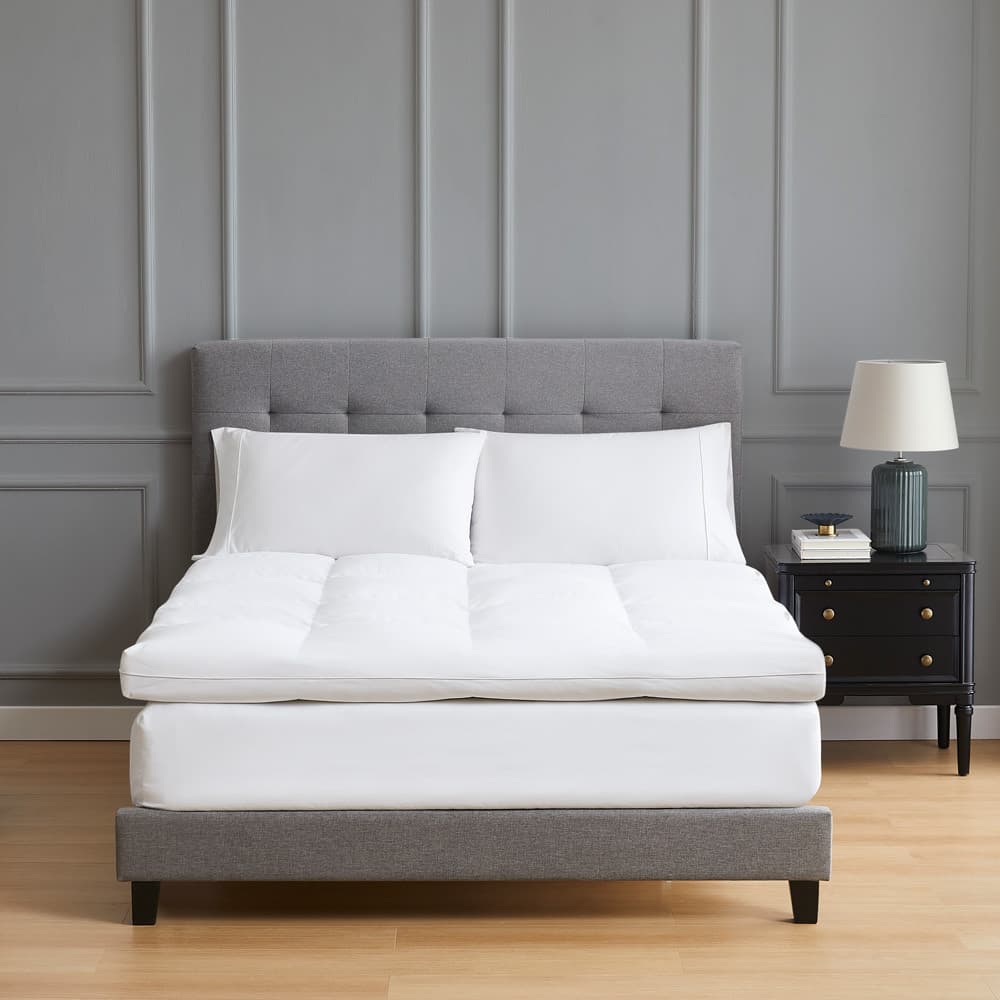
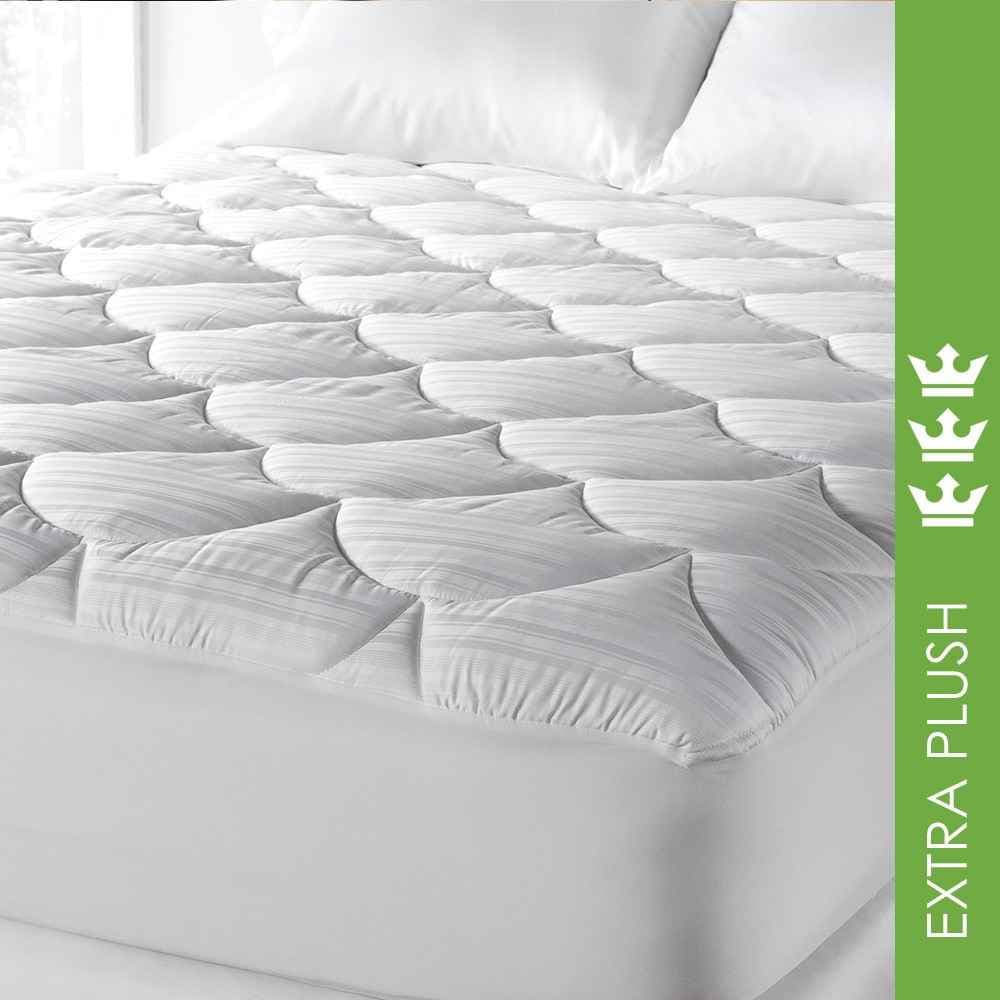
Measure mattress depth before ordering. Standard pocket depth is 12 inches, but many modern mattresses reach 14 to 18 inches. Specify fitted sheet pocket depth when placing your order. If you use a mattress topper, add its thickness to the total depth. A 2 inch topper on a 12 inch mattress means you need a 14 inch pocket. Most suppliers offer standard, deep, and extra deep pockets. For hotels, we recommend ordering deep pocket sheets for all beds to avoid returns.
For twin XL, full, queen, king, and California king, use the official dimensions from the mattress industry. Twin XL is 39 by 80 inches. Queen is 60 by 80 inches. King is 76 by 80 inches. California king is 72 by 84 inches. Always order a few extra fitted sheets per size to account for shrinkage after the first wash. Cotton polyester blends shrink 3 to 5 percent in the first three washes. If your mattress is exactly 12 inches tall, a 14 inch pocket sheet will still fit after shrinkage.
Flat sheets should be 18 to 24 inches wider than the mattress width to allow for tucking. A king flat sheet should be at least 108 inches wide by 102 inches long. Pillowcases should measure 20 by 30 inches for standard pillows, 20 by 36 for queen, and 20 by 40 for king. Check your supplier's sizing chart and request a sample before placing a bulk order. At Towel Depot, our bed linens come with detailed sizing guides. Confirm with your housekeeping team that the fit works for your specific mattresses.