
Why Flour Sack Towels
In this guide:
- What makes flour sack towels different from terry towels for commercial use?
- How do flour sack towels hold up to repeated commercial washing?
- What GSM should I look for in a flour sack towel for my business?
- Can I use flour sack towels in hotel restaurants and spas?
- How do I customize flour sack towels for my bulk order?
- Frequently asked questions
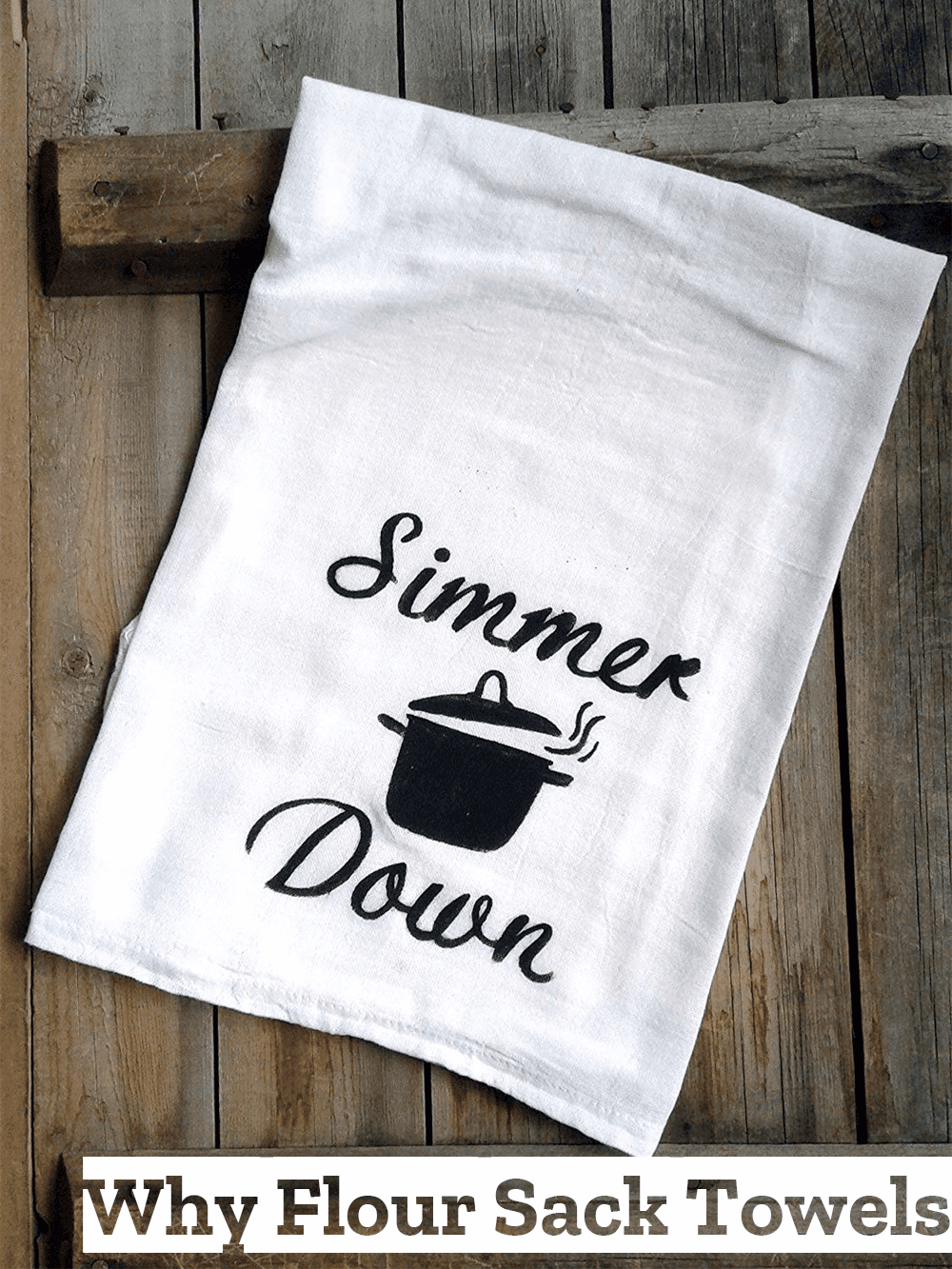
Flour sack towels are the quiet workhorse of commercial linen. For nearly a century, they have been the go to choice for businesses that need fast drying, lint free performance. If you manage a hotel, spa, salon, restaurant, or gym, these towels save you money on replacement and cut labor time. Here is what you need to know before placing your next bulk order.
Flour sack towels are flat woven 100% cotton towels that dry fast, resist lint, and last through aggressive commercial laundry cycles. They save you money on replacement and reduce labor because they require less folding and sorting.
What makes flour sack towels different from terry towels for commercial use?
The main difference is the weave. Flour sack towels use a tight, flat weave with no loops or terry piles. That smooth surface gives you two big advantages. First, water is not trapped between loops. The towel releases moisture quickly, so you can wring it out and reuse it sooner. Second, there is nothing to shed. Terry towels always leave some lint behind. For a fine dining restaurant polishing wine glasses, lint is a disaster. A flour sack towel leaves a streak free shine every time.
Terry cloth is designed for absorbency through surface area and pile depth. A standard terry bath towel has a GSM around 500. A flour sack towel runs between 140 and 160 GSM. That lower GSM means the fabric is thinner and lighter. In a commercial laundry, a load of flour sack towels spins out with much less retained water. At 120 to 140 degrees Fahrenheit (49 to 60 degrees Celsius) for typical mixed loads, drying time drops by 30 to 40 percent compared to terry. Less drying time means lower energy bills and faster turnaround between wash cycles.
For B2B buyers, the choice affects labor costs too. Terry towels need to be sorted by size and color, and they often require folding attention to avoid wrinkles. Flour sack towels are uniform. They fold flat and stack neatly. Your housekeeping or kitchen staff spend less time on linen handling. Over a year, that adds up to real savings. If you are ordering 100 to 500 units, the switch to flour sack towels can reduce total laundry labor by 15 to 20 percent according to industry benchmarks from the International Sanitary Supply Association.
How do flour sack towels hold up to repeated commercial washing?
Flour sack towels are engineered for punishment. The tight plain weave gives them high tear strength and resistance to edge fraying. In a typical hotel laundry, your towels will face 200 to 300 wash cycles before they show significant wear. That translates to 12 to 18 months of daily use in most operations. Compare that to a standard cotton bar mop which often starts pilling after 80 washes. The flat weave holds up better because there are no loops to catch on zippers or snaps during the wash.
Commercial laundry temperatures reach 160 degrees Fahrenheit (71 degrees Celsius) for white loads. That heat degrades some cotton blends quickly. Flour sack towels made from 100 percent combed cotton actually become softer with repeated washing. The fibers relax and the towel becomes more absorbent over time. We have seen towels go through 500 cycles and still perform well, though you will notice thinning around the edges after the 250 mark. Your replacement cost is low because each towel delivers years of service.
To maximize lifespan, wash flour sack towels separately from terry items. Terry cloth sheds lint during the wash, which can cling to the flat surface of the flour sack towels. That lint defeats the purpose of a lint free towel. A separate load also allows you to optimize the wash chemistry. Use a neutral pH detergent and avoid fabric softeners. Softeners coat the cotton fibers and reduce absorbency. Follow guidelines from the Occupational Safety and Health Administration for safe handling of soiled linens. Good practices keep your towels performing longer and protect your staff.
What GSM should I look for in a flour sack towel for my business?
GSM stands for grams per square meter. It tells you the density of the fabric. For commercial flour sack towels, the sweet spot is 140 to 160 GSM. At this weight, the towel is substantial enough to handle heavy wiping and still dry fast. A 140 GSM towel weighs about 45 grams per piece for a standard 20x20 inch size. That is light enough to go through the dryer quickly but dense enough to absorb a full cup of water without dripping.
If you choose a towel below 140 GSM, you get a fabric that feels flimsy. It may not hold enough moisture for drying glassware or wiping down a table. Above 160 GSM, the towel starts behaving like a bar mop. Absorbency goes up but drying time increases too. At 180 GSM, you lose the fast dry advantage that makes flour sack towels valuable. You are better off buying a cheap bar mop at that weight. Stick to the 140 to 160 range for multipurpose use in hotels, spas, and restaurants.
Your choice of GSM also affects pricing. Heavier GSM towels cost more per unit because they use more cotton. For a bulk order of 500 towels, the difference between 140 and 160 GSM might be 10 to 15 percent in price. But the lighter towel wears out faster. We recommend 150 GSM as the best balance of cost, durability, and performance. That is what most of our restaurant and spa clients choose. You can compare GSM options when you browse our flour sack towels category.
Can I use flour sack towels in hotel restaurants and spas?
Absolutely. Flour sack towels are a staple in fine dining establishments. Chefs and servers use them to polish wine glasses, stemware, and silverware. The lint free surface leaves no residue. In hotel restaurants, these towels also work for quick cleanups on counters and tables. They rinse clean easily because food particles do not stick to the flat weave. You can use the same towel multiple times in a shift if you rinse and wring it out between uses. That cuts down on the number of towels you need per meal service.
Spa operators love flour sack towels for massage table wiping. After a treatment, you need a towel that wipes off oils and lotions without leaving fibers on the customer's skin. Terry towels can leave lint on the table and on the client. Flour sack towels give a clean surface every time. They also dry fast between clients. In a busy spa with back to back appointments, a set of 20 towels can handle a full day of treatments. You save on laundry runs and reduce inventory needs.
Gyms and fitness centers use flour sack towels for equipment wiping. The flat weave does not catch on machine handles or pick up hair from the floor. Members appreciate a clean, lint free towel to wipe down machines. For hotel gyms that provide towels, flour sack towels are more compact to store and lighter to carry. You can pair them with our wholesale bath towels for locker rooms and shower areas. The combination covers all your linen needs with consistent quality. For outdoor or pool areas, our wholesale beach towels offer a different weave for sand resistance. But for indoor wiping and polishing, flour sack towels remain the best choice.
How do I customize flour sack towels for my bulk order?
We offer customization for orders of 100 units and up. You can set the size from 16x16 inches for small bar towels up to 30x30 inches for larger drying towels. Standard hemmed edges are available, or you can specify overlock stitching for extra edge strength. Hemmed edges fold over and sewn down, which looks cleaner for front of house use. Overlock stitching is more durable and better for kitchen or utility uses where the towel gets heavy abuse.
Color options include white, natural (unbleached), and light tan. White is the most common for commercial laundry because it can be bleached. Natural and tan are popular in spa settings where a rustic look is preferred. For branding, we provide screen printing on orders of 300 or more and woven labels on 500 or more. Screen printing works for logos and text up to four colors. Woven labels are sewn into the hem and last the life of the towel. Both methods withstand high temperature washing and drying without fading.
Lead time for custom orders is typically 4 to 6 weeks. We recommend ordering samples first to verify the GSM and size meet your expectations. You can request a sample set from our sales team. Once you confirm the specifications, we produce the entire batch to your specification. There is a 10 percent upcharge for custom sizes under 500 units. For standard sizes and colors, the cost per towel decreases as your order volume increases. We follow Federal Trade Commission guidelines for fiber content labeling. Every towel ships with care instructions and your custom label if ordered.