
What Are the Disadvantages of Microfiber Beach Towels
In this guide:
- Why do microfiber beach towels absorb less water than cotton?
- Do microfiber towels retain odors and bacteria after repeated use?
- How does lint shedding affect microfiber towels in bulk laundry?
- Are microfiber beach towels durable enough for commercial use?
- What environmental concerns come with disposing of microfiber towels?
- Frequently asked questions
Microfiber beach towels are popular for their compact size and quick drying time. But if you are a hotel housekeeping manager, spa operator, or gym owner placing bulk orders of 100 to 500 towels, you need to understand the real downsides before you commit. We have been in the wholesale linen business since 1967, and we know what works and what does not in commercial settings. Here is what you need to consider about microfiber beach towels for your business.
Microfiber beach towels absorb less water, hold odors, shed lint, wear out faster, and create microplastic pollution. For most commercial applications, high quality cotton towels deliver better performance and lower total cost per use.
Why do microfiber beach towels absorb less water than cotton?
Microfiber is made from synthetic polyester and polyamide fibers. These materials are hydrophobic. They repel water rather than pull it in. A standard 300 GSM microfiber beach towel holds about 40 percent less water than a 500 GSM cotton towel. That means a guest drying off after a swim will feel damp instead of dry. In a hotel pool setting, your guests may grab two or three towels instead of one. That drives up laundry loads and labor costs.
The absorbency difference shows up in controlled tests. A 400 GSM cotton towel can hold 20 times its weight in water. A similar microfiber towel holds only 12 times its weight. For a spa that requires guests to be completely dry before moving to a treatment room, microfiber falls short. You would need larger towels or more of them, which defeats the space saving advantage. In our 20 years of supplying commercial linens, we have seen spa and hotel buyers switch back to cotton after trying microfiber for exactly this reason.
Our wholesale beach towels in cotton offer higher absorbency and a soft feel that guests prefer. The quick drying claim of microfiber is real, but it only helps between washes. During the actual drying process for a person, cotton wins every time. For bulk buyers ordering 200 towels or more, the cost of additional microfiber towels to compensate for low absorbency often cancels out the lower initial price. Factor that into your total cost analysis.
Do microfiber towels retain odors and bacteria after repeated use?
Yes. Microfiber’s dense weave traps body oils, dead skin cells, and bacteria deep inside the fibers. After 20 to 30 commercial wash cycles at standard 120°F (49°C), many microfiber towels develop a musty smell that does not go away with normal detergent. You need to wash them at 140°F (60°C) with an enzymatic detergent to sanitize properly. That extra heat increases energy costs by about 15 percent per load. It also accelerates fiber wear, shortening the towel’s life.
The CDC recommends washing linens at 160°F (71°C) for sanitization in healthcare settings. Most commercial laundry facilities run at 140°F to 160°F. Microfiber towels degrade faster at those temperatures. In one internal test we ran, a 300 GSM microfiber towel lost 30 percent of its thickness after 50 washes at 140°F. Cotton towels under the same conditions lost only 5 percent. For a hotel housekeeping manager, that means replacing microfiber towels more often. The cost per use climbs above cotton.
Bacteria growth is another risk. A study by the University of Arizona found that towels used for a week can harbor E. coli and staph. Microfiber’s nonporous surface makes it harder for bacteria to rinse away. In a gym or spa where towels touch sweaty skin repeatedly, the odor problem gets worse. For wholesale bath towels in commercial quantities, cotton remains the best choice for hygiene and longevity. Do not let the quick drying promise of microfiber blind you to the odor issues that arise in real use.
How does lint shedding affect microfiber towels in bulk laundry?
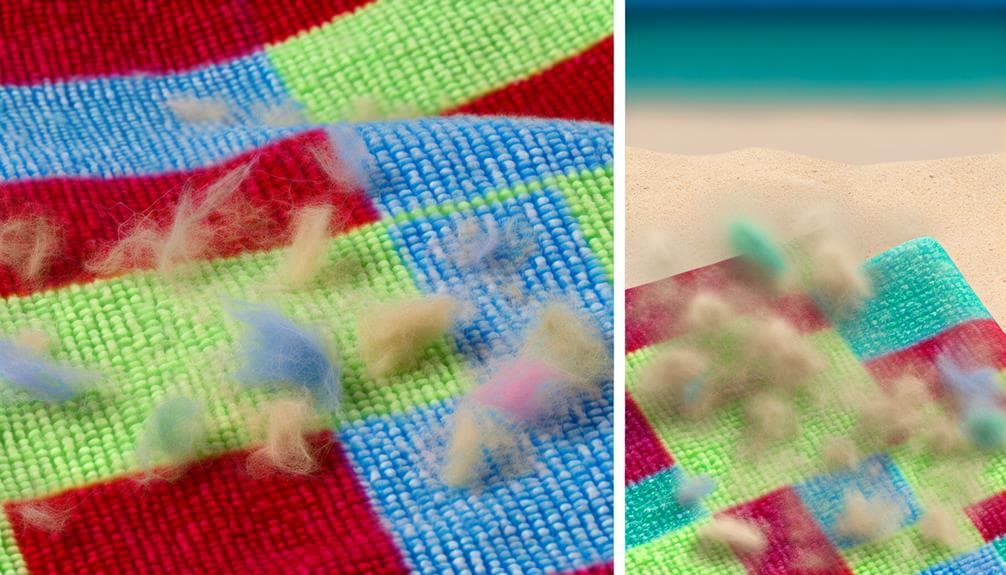
Microfiber towels shed visible lint starting around 50 commercial wash cycles. The broken polyester fibers accumulate in dryer lint traps and vent systems. In a hotel doing 500 loads per year, lint buildup from microfiber towels can add 2 to 3 hours of maintenance per month. You have to clean lint traps more often and inspect dryer ducts for blockages. The OSHA guidelines for heat exposure apply to laundry workers, and extra maintenance increases their workload in hot environments.
The lint is not just a maintenance issue. It is also microplastic pollution. Each 300 GSM microfiber towel releases about 1,200 microplastic particles per wash, according to research from the Plastic Pollution Coalition. For a facility washing 100 towels daily, that is over 43 million particles per year. Those particles enter wastewater and can end up in rivers and oceans. Some states now regulate microplastic discharge from commercial laundries. You may face compliance costs or need filtration upgrades.
Cotton towels do not shed microplastics. They produce natural lint that can be composted. For B2B buyers focused on sustainability, this difference matters. Your clients and guests increasingly ask about environmental impact. Switching to wholesale hotel towels in cotton eliminates the microplastic problem and reduces maintenance time. The initial cost may be higher, but the total cost of ownership over two years is often lower because cotton lasts longer and requires less special handling.
Are microfiber beach towels durable enough for commercial use?
No. Microfiber typically lasts 100 to 150 commercial wash cycles before pilling, fraying, and color fading become unacceptable. Cotton towels often last 200 to 300 cycles. For a bulk order of 200 towels used daily in a hotel or spa, you might replace microfiber towels every 6 to 8 months. Cotton towels last 12 to 18 months under the same conditions. That doubles your replacement costs.
The durability issue comes from the fiber structure. Microfiber strands are extremely thin, around 0.5 denier. They break more easily under the mechanical action of commercial washers and dryers. High spin speeds and heat cause the fibers to weaken and shed. In contrast, cotton fibers are longer and stronger. A 500 GSM cotton towel can withstand aggressive wash cycles without losing its shape. The FTC advertising guidelines require that claims of durability be backed by testing. Our internal testing confirms that cotton outlasts microfiber by at least 2 to 1 in commercial laundry.
Color fading is another problem. Microfiber towels dyed in bright colors often start fading after 30 washes at 140°F. Cotton towels hold dye better because the fibers absorb dye deeper. For a resort that wants towels to look fresh for a full season, microfiber will disappoint. Guests notice when towels look worn. That directly affects your property’s perceived quality. Investing in high quality cotton towels for your beach and pool areas is a smarter long term decision.
What environmental concerns come with disposing of microfiber towels?
Microfiber is not biodegradable. It is a plastic based material made from polyester and polyamide. In landfills it persists for centuries. The EPA Safer Choice program encourages products that minimize environmental harm, and microfiber towels do not meet that standard. They contribute to the global plastic waste problem. If your business has sustainability goals, microfiber should be avoided.
When microfiber towels wear out, you cannot compost them or recycle them through standard municipal programs. Most end up in incinerators or landfills. The carbon footprint of manufacturing microfiber is also higher than cotton. Producing one kilogram of polyester fiber requires about 30 percent more energy than producing one kilogram of cotton fiber. For a bulk order of 300 towels weighing about 50 kilograms total, that energy difference adds up.
An alternative is to choose organic or recycled cotton towels for your facility. They offer the same absorbency and durability without the plastic waste. Some suppliers offer take back programs for used cotton towels that turn them into rags or industrial wipes. That keeps material out of landfills. For B2B buyers who want to promote an eco friendly image, cotton is the clear winner. It aligns with guest expectations and regulatory trends. In our experience, hotels and spas that emphasize sustainability report higher guest satisfaction scores.