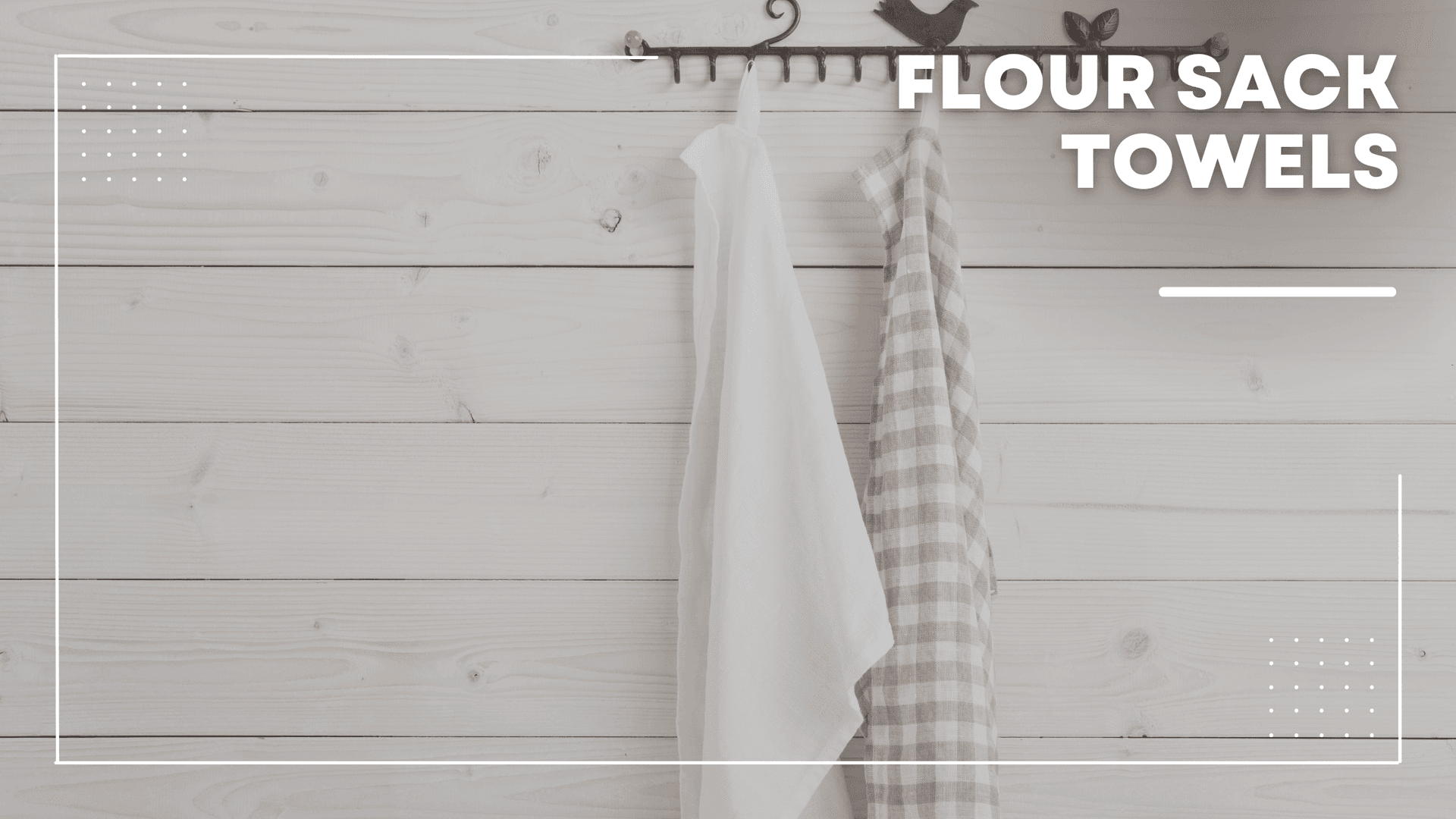

What are Flour Sack Towels?
In this guide:
- What exactly are flour sack towels and how do they differ from other kitchen towels?
- What GSM and sizes should B2B buyers look for?
- How many wash cycles do flour sack towels withstand?
- Are flour sack towels lint free and safe for commercial kitchens?
- How should commercial buyers clean and care for flour sack towels?
- Frequently asked questions
Flour sack towels are a staple in commercial kitchens, hotels, and spas. They are made from 100% cotton with a plain weave that makes them highly absorbent and almost lint free. For B2B buyers who need reliable, versatile towels for bulk orders of 100 to 500 units, these towels offer unbeatable value and performance.
Flour sack towels are lightweight, lint free cotton towels perfect for drying glassware, polishing surfaces, and wrapping baked goods. They last through hundreds of wash cycles and cost less than terry cloth towels.
What exactly are flour sack towels and how do they differ from other kitchen towels?
Flour sack towels get their name from the fabric originally used to package flour in large sacks. That fabric was a tightly woven 100% cotton plain weave. Today the same construction is used to make kitchen towels that are thin, flat, and extremely absorbent. Unlike terry cloth towels which have loops to trap moisture, flour sack towels rely on the capillary action of the cotton fibers. This gives them faster drying time and a smooth surface that won't scratch glass or polished silver.
The key difference between flour sack towels and standard bar mops or dish towels is the weave. Bar mops usually have a heavier weight around 400 to 500 GSM. Flour sack towels fall between 130 and 160 GSM. That lower weight makes them more flexible and easier to fold into tight spaces. They also dry much faster which reduces the risk of mildew in humid commercial kitchens. A hotel housekeeping manager will appreciate that these towels take up less space in storage and in the laundry.
Many restaurant buyers ask us whether flour sack towels can replace terry cloth towels for drying dishes. The answer is yes for most glassware and fine china. Terry cloth can leave lint on delicate surfaces. Flour sack towels leave none. For heavy pots and pans, a thicker towel might be better. But for polishing wine glasses, drying baking sheets, and wiping stainless steel, flour sack towels are the superior choice. They also work well as napkins in casual dining settings. Our flour sack towels are sold in bulk cases of 100, perfect for restaurants and hotels.
What GSM and sizes should B2B buyers look for in flour sack towels?
When you buy flour sack towels for commercial use, GSM (grams per square meter) matters. The sweet spot for durability and absorbency is 140 to 150 GSM. Towels in this range feel substantial but not heavy. They hold roughly five times their weight in water. At 130 GSM the towels are thinner and better suited for polishing glass or wrapping bread. At 160 GSM they are closer to a light dish towel and can handle heavier drying tasks. We recommend sticking with 140+ GSM for general kitchen use in hotels and restaurants.
Size is another critical factor. The standard flour sack towel is 28x28 inches. This size works for most tasks: wiping counters, drying plates, and lining baskets. For bars and coffee shops, a smaller 16x28 size gives more control for polishing glassware. Spas and salons often prefer larger 30x30 towels for wrapping towels heated neck wraps or drying hair. The larger size also works well as a makeshift apron. When ordering bulk, check the cut edges. Hemmed edges resist fraying on all sides. Unhemmed towels are cheaper but will fray after 100 washes. Towel Depot offers hemmed options on all sizes.
Bulk buyers should also consider pre washed versus unwashed towels. Pre washed towels are softer out of the box but cost a bit more. Unwashed towels have a slight sizing that washes out after the first three cycles. The performance after that is identical. For a hotel opening a new property, pre washed saves time. For an established restaurant that cycles towels regularly, unwashed is fine. We carry both options. Compare these with our wholesale bath towels for a complete linen solution.
How many wash cycles do flour sack towels withstand before losing performance?
A well made flour sack towel will last through 300 to 500 commercial wash cycles. That is three to five times longer than a typical bar mop. The reason is the plain weave structure. It does not have loops that catch and pull. The threads are tightly twisted and densely packed. Even after repeated washing, the fibers stay intact. At Towel Depot we test our towels in commercial laundry conditions at 140F or 60C with industrial detergents. After 200 washes, the towel still absorbs water at 90% of its new capacity. After 300 washes, you might see some edge fraying but the towel still works.
Performance decline shows up in two ways. First, the towel loses absorbency. You can test this by dropping a towel in a bucket of water. A new towel will sink within five seconds. After 400 washes it might take 15 seconds. The second sign is fraying around the edges. Once fraying reaches an inch into the towel body, it is time to replace. For high volume operations, we suggest rotating towels out after 300 washes. That means a case of 100 towels lasts about three years for a busy restaurant kitchen that washes twice a day.
Commercial buyers should also factor in drying time. New flour sack towels dry in about 30 minutes in a tumble dryer at 150F or 65C. After 300 washes, they might take 40 minutes. That extra laundry time adds up over thousands of cycles. Replacing towels on schedule saves money on energy and labor. It also keeps your kitchen running efficiently. Many of our customers set a color coding system. White towels for glassware, blue towels for general cleaning, and green towels for floor spills. This extends the life of each towel batch because you use them for the right tasks.
Are flour sack towels lint free and safe for commercial kitchens?
Flour sack towels are naturally lint free. The tight weave holds cotton fibers in place. When you run your hand across a new flour sack towel, you will not see any lint transfer. This is a major advantage over terry cloth towels which shed tiny fibers with every use. For commercial kitchens, lint free towels are important for two reasons. First, lint can float into food prep areas and contaminate dishes. Second, lint can clog automatic dishwashers and drains. The Occupational Safety and Health Administration (OSHA) recommends lint free wiping cloths in food service areas to reduce fire hazards from grease buildup on lint. OSHA standard 1910.141 covers housekeeping in commercial kitchens and requires clean wiping cloths.
In healthcare settings, lint free towels are mandatory for cleaning surgical instruments. The Centers for Disease Control and Prevention (CDC) guidelines for sterilization require that towels used to wrap instruments for autoclaving must be lint free. Lint can harbor bacteria and compromise the sterilization process. Many dental offices, veterinary clinics, and med spas use flour sack towels for this purpose. The same properties that make them good for kitchens make them ideal for clean rooms. For spa operators, a lint free towel means no stray fibers on a client's face after a facial. That improves the guest experience and reduces complaints.
The fabric also meets FDA requirements for food contact surfaces. Under the Federal Food, Drug, and Cosmetic Act, materials used in contact with food must not transfer harmful substances. Plain cotton flour sack towels pass this standard. They contain no synthetic fibers or finishes. This is why they are the preferred towel for wrapping bread in artisan bakeries. They do not impart any taste or odor. For B2B buyers serving high end clientele, this level of purity is a selling point. You can confidently use them to line proofing baskets or cover rising dough. The human expert at Towel Depot has seen these towels used in Michelin star kitchens for exactly these purposes.
How should commercial buyers clean and care for flour sack towels?
Commercial care is straightforward. Wash flour sack towels in water at 140F or 60C. This temperature kills bacteria and removes grease without damaging the cotton fibers. Use a mild detergent without bleach. Chlorine bleach weakens cotton over time. If you need to whiten towels, use oxygen bleach like hydrogen peroxide based products. Avoid fabric softeners at all costs. Fabric softeners coat the fibers with a waxy layer that blocks water absorption. One wash with softener can cut absorbency by 50 percent. That defeats the purpose of a flour sack towel.
Dry towels on low heat, no higher than 150F or 65C. High heat shrinks the cotton and stiffens the weave. Tumble dry until just dry, then remove immediately. Over drying makes towels brittle and shortens their life. If you have the space, line drying in the sun is best. Sunlight naturally bleaches and disinfects. For a hotel laundry running multiple loads per day, low heat tumble drying is the practical choice. We recommend washing flour sack towels separately from heavy terry cloth items. Terry cloth sheds lint that can stick to flour sack towels. That defeats the lint free property.
How often should you replace towels? Look for three signs. Frayed edges that exceed one inch. Permanent stains that won't come out after repeated washing. And reduced absorbency where the towel no longer picks up spills quickly. At that point, demote the towel to a floor rag or dispose of it. For bulk buyers ordering 100 units, we suggest tracking wash cycles. Mark the purchase date on the box. After 18 months of daily commercial use, order new stock. That way your kitchen always has peak performance towels. Our wholesale beach towels follow similar care guidelines and can supplement your inventory during peak seasons.