
Washing Towels: The Right Temperature Guide
In this guide:
- What is the best water temperature for washing commercial towels?
- How does water temperature affect towel lifespan and absorbency?
- What detergent and chemicals work best at different temperatures?
- How should you dry towels after washing to maintain quality?
- How often should you wash towels in a commercial setting?
- Frequently Asked Questions
If you manage a hotel, spa, gym, or salon, you know that towels take a beating. Getting the wash temperature right keeps them clean, soft, and long lasting. This guide gives you the specific temperatures in Fahrenheit and Celsius, explains the science behind wash cycles, and helps you protect your investment in wholesale bath towels from Towel Depot. You will save money on replacement costs and keep your guests satisfied.
Wash white cotton towels at 140 to 160°F (60 to 71°C) for sanitization. Use warm water at 100 to 110°F (38 to 43°C) for colored towels. Hot water above 130°F can shrink towels 5 to 10 percent. Never use fabric softener. Dry on medium heat until completely dry.
What is the best water temperature for washing commercial towels?
For bulk loads in hotels and gyms, the best temperature depends on the towel color and soil level. White cotton towels, like our 600 GSM ringspun hotel stock, need hot water. Set the wash temperature between 140°F and 160°F (60°C to 71°C). This range kills bacteria, dissolves oils, and activates chlorine bleach. The CDC recommends 160°F for sanitizing linens in healthcare and hospitality settings. At these temperatures, a standard 30 minute wash cycle with adequate mechanical action lifts dirt from the fibers.
Colored towels must be washed at lower temperatures to prevent dye bleeding and fading. Use warm water between 100°F and 110°F (38°C to 43°C). This is sufficient for everyday soil from skin oils and light stains. If your colored wholesale beach towels show heavy soil, pre treat stains with an oxygen based bleach and wash at 120°F (49°C) max. Some high quality dyes hold up to 130°F, but test a single towel first. Cold water below 80°F (27°C) is not recommended for commercial loads. It does not activate detergents effectively and leaves a greasy residue on cotton fibers.
For specialized towel types like microfiber or bamboo blends, follow the manufacturer label. Generally, microfiber towels should not exceed 105°F (40°C) because heat melts the synthetic fibers and ruins absorbency. Bamboo towels can handle up to 140°F but shrink more than cotton. In a commercial laundry with 50 to 100 pound machines, always pre sort by color and fabric type. This prevents cross contamination and keeps your linen inventory consistent.
How does water temperature affect towel lifespan and absorbency?
Hot water above 130°F (54°C) accelerates fiber wear. A cotton towel loses about 1 percent of its strength per wash at 160°F compared to 0.3 percent at 110°F. After 100 wash cycles, a 600 GSM towel washed in hot water may feel thinner and show frayed edges. The heat breaks down the cotton cellulose over time. This is a trade off. You get better sanitation but shorter lifespan. For high turnover items like hotel bath towels, a 150 to 200 wash cycle life is normal. For less frequently used items like spa wraps, cooler washes extend their life.
Water temperature also affects absorbency. Hot water opens the cotton fiber cuticles and removes natural waxes and manufacturing residues. New towels often have a finish that repels water. Washing them three to five times in hot water at 140°F removes these coatings and improves drying speed. After that, continued hot water can strip too much fiber and reduce moisture pickup. The ideal absorbency point is after about 20 washes. At that stage, a towel can hold up to 8 times its weight in water. Keeping wash temperatures moderate after the break in period preserves this performance.
Shrinkage is a major concern for bulk buyers. Cotton towels can shrink 5 to 10 percent in the first three washes if exposed to temperatures above 130°F. Pre shrunk ringspun towels shrink only 2 to 3 percent. Always order a sample and run a test wash before committing to a large order of wholesale hotel towels. Use a wash temperature of 110°F for the test to show realistic shrinkage. Remember that drying heat also contributes to shrinkage. A combined heat stress of wash and dry at high temps can reduce your towel size by up to 12 percent over 50 cycles.
What detergent and chemicals work best at different temperatures?
At hot wash temperatures of 140°F to 160°F, use a heavy duty commercial detergent with enzymes. These break down proteins and starches from body soils, food stains, and cosmetic residues. Chlorine bleach is effective at 150°F or above. Use 50 to 100 parts per million of available chlorine for sanitization. For colored towels, switch to oxygen bleach (sodium percarbonate) activated at 120°F. This releases hydrogen peroxide and whitens without damaging dyes. Never mix chlorine bleach with ammonia or acids. It produces toxic gas.
In warm water (100 to 110°F), choose a neutral pH detergent between 6 and 8 on the pH scale. Alkaline detergents with pH above 10 can cause yellowing on white towels and fading on colors. For heavy grease and oil from restaurant bar towels, add a degreaser or break detergent. These work best at 120 to 130°F. Always follow the detergent manufacturer's dosage. Over sudsing reduces mechanical action and leaves residue that makes towels feel stiff. Use a built detergent with water softeners if your water hardness exceeds 100 parts per million.
Fabric softeners are banned in commercial towel washing. They coat the cotton fibers with a waxy layer that reduces absorbency by up to 30 percent. Guests notice the difference. Instead, use a sour or neutralizer in the final rinse to lower the pH and remove alkalinity. This keeps towels soft and fluffy. For whites, a bluing agent can enhance brightness. The Environmental Protection Agency's Safer Choice program lists detergents that are effective and less toxic. Check their database for products that meet your sanitation needs without harsh chemicals.
How should you dry towels after washing to maintain quality?
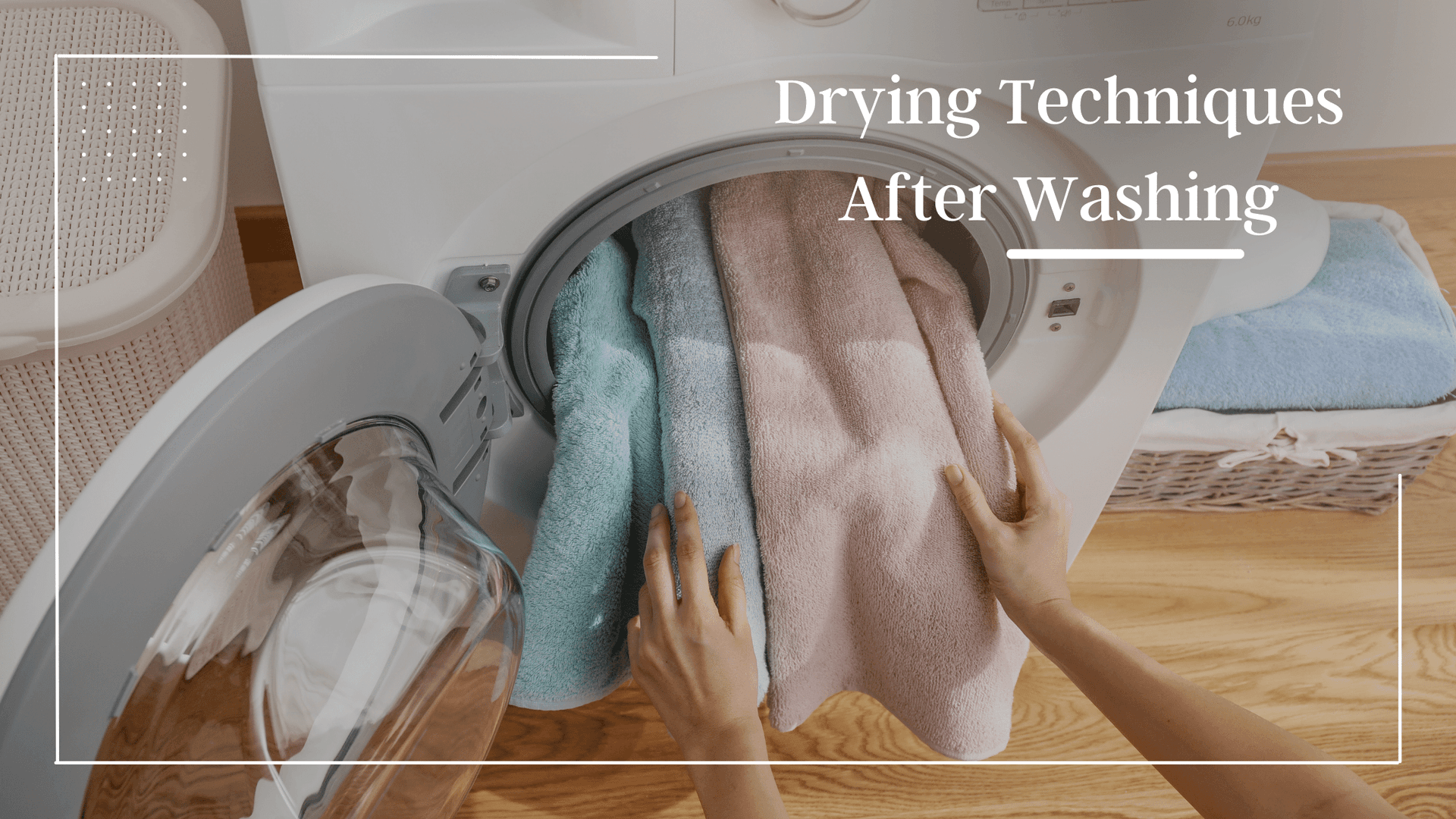
Drying temperature matters as much as wash temperature. Use a tumble dryer on medium heat, around 135°F to 150°F (57°C to 66°C). High heat above 175°F (80°C) damages the cotton fibers and accelerates shrinkage. It also sets wrinkles that require ironing. For 600 GSM towels, a drying cycle of 30 to 40 minutes is typical. Over drying makes towels stiff and brittle. Remove them while slightly damp and let them air finish. This preserves softness and reduces lint loss.
Commercial dryers with moisture sensors are best. They stop the cycle when towels reach 2 to 3 percent moisture content. At that point, the fibers are relaxed. Over dried towels lose about 1 percent of their GSM per cycle. After 100 cycles, a 600 GSM towel drops to around 540 GSM. This is a 10 percent loss in weight and absorbency. To extend towel life, dry loads to 90 percent dry, then fold and store. Residual moisture will evaporate. Always clean the lint filter after every load to maintain airflow and prevent fire hazards.
Never dry towels on radiators or direct sunlight. UV light degrades cotton fibers and fades colors. For energy efficiency, use the cool down cycle at the end. This lowers the temperature gradually and reduces heat shock to fibers. The Occupational Safety and Health Administration OSHA guidelines for commercial laundries recommend proper ventilation and temperature controls. Follow these to protect your staff and your linen investment. A consistent drying routine keeps your towels fluffy and guest ready.
How often should you wash towels in a commercial setting?
Hotels and spas must wash bath towels after every guest checkout. Gyms and fitness centers should wash towels after each use. Salon towels need laundering between each client. Restaurant bar towels should be washed after each shift. This schedule prevents bacterial growth, mold, and odor. In a high volume laundry, you might process 300 to 500 pounds of towels per day. Each towel typically goes through 150 to 200 wash cycles before replacement.
For establishments with high turnover like hotels, a 150 wash cycle lifespan means a towel lasts about 6 to 8 months. For lower volume spas, it can last 12 to 18 months. Track the number of washes per towel by using a linen management system or simple color coding. Replace towels when they show frayed edges, thinning pile, or loss of absorbency. A common metric is when a towel no longer dries a person effectively after one use. That usually happens when GSM drops below 450.
Some buyers wonder if washing less frequently saves money. It does not. Dirty towels harbor bacteria that cause stains and odors. Washing at lower temperatures or skipping cycles leads to faster degradation. The U.S. Consumer Product Safety Commission offers laundry safety tips that apply to commercial settings. Stick to a regular washing schedule. Your towels will stay cleaner and last longer. Order replacement stock from Towel Depot when your inventory drops below 30 percent of your peak need.