
Benefits of Washcloths for Skincare
In this guide:
- Gentle Exfoliation for Damaged Skin
- Deep Cleansing After Sun and Sand
- Improved Product Absorption
- Material Durability for Commercial Use
- Hygiene and Maintenance for Bulk Orders
- Frequently Asked Questions
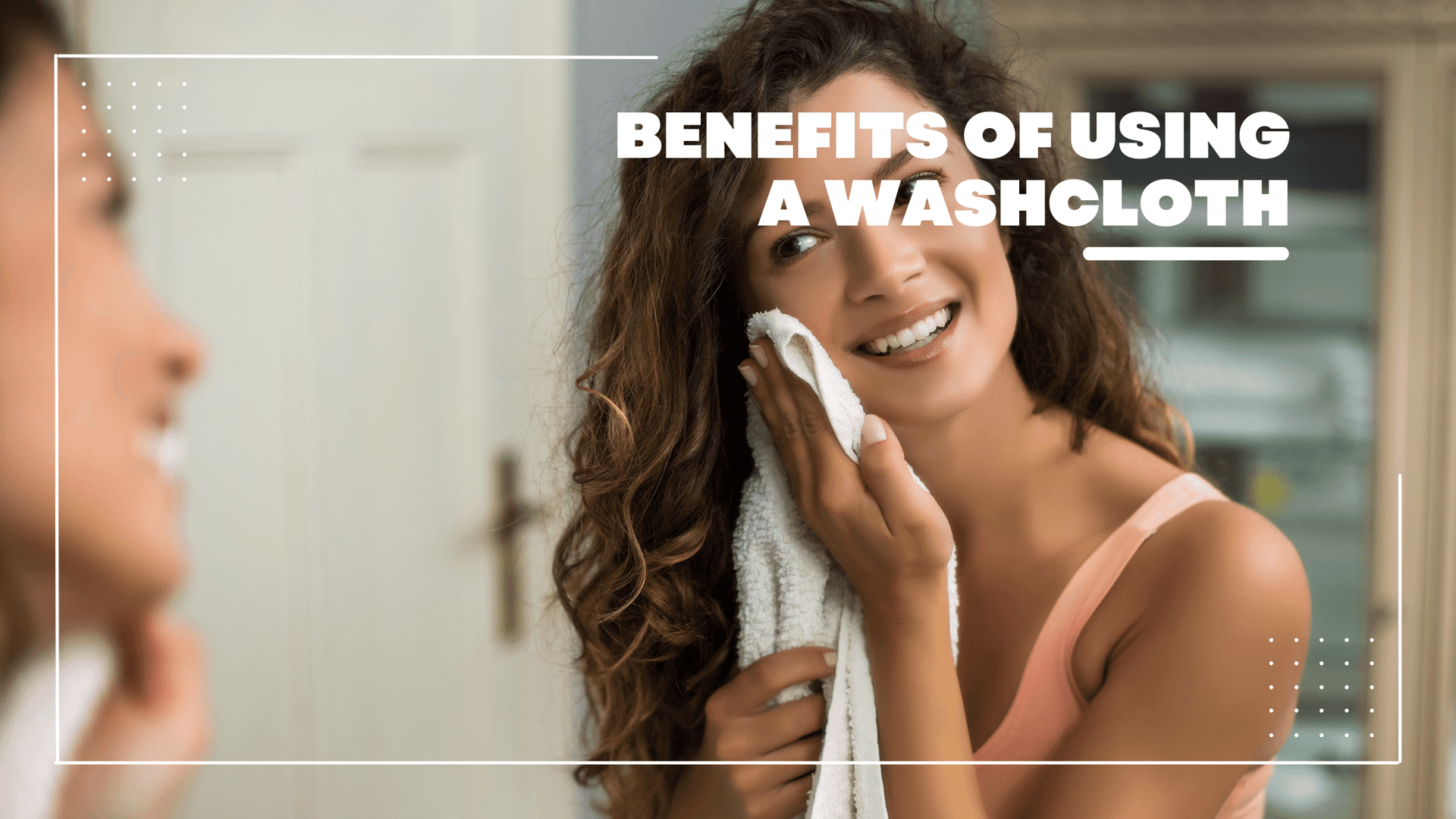
If you run a hotel, spa, gym, or salon, you know that guests and clients expect top notch care after time in the sun and sand. A good wholesale washcloth is not just a piece of linen. It is a tool for gentle exfoliation, deep cleansing, and better product absorption. For B2B buyers ordering 100 to 500 units, choosing the right washcloth protects your guests skin and extends your inventory life. This guide covers the real specifics you need to make an informed purchase.
A quality washcloth at 450 to 600 GSM removes dead skin, sand, and excess oil better than a bare hand. It also helps serums and moisturizers sink in faster. Commercial buyers should look for ring spun cotton, pre shrunk fabric, and a lifespan of 150 to 200 wash cycles.
Gentle Exfoliation for Damaged Skin
Sun and sand leave skin rough and dehydrated. A washcloth with a terry loop surface provides mechanical exfoliation without the harshness of scrubs. The loops lift dead cells and residual sunscreen when you rub gently in a circular motion for 30 seconds. This process stimulates blood flow and helps new skin cells turn over. In a commercial setting, you want a cloth that exfoliates consistently without fraying after a few washes. The ideal GSM range for this balance is 450 to 600. Below 400 GSM the cloth is too thin and can feel scratchy. Above 650 GSM the loops are too plush and do not grip the skin effectively.
Test your washcloth on the inside of your forearm before ordering in bulk. Rub the damp cloth for 30 seconds and check for redness. A good exfoliating cloth should leave skin smooth, not irritated. Pair it with a wholesale bath towel for drying to complete the routine. The CDC recommends rinsing sun exposed skin with lukewarm water at 80 to 90 degrees Fahrenheit (27 to 32 degrees Celsius) to avoid stripping natural oils. That temperature pair well with the mechanical action of a washcloth.
For commercial laundering, expect the exfoliating quality to peak around wash 20 to 30. That is when the cotton fibers soften but the loops remain intact. After 150 cycles the loops may flatten. At that point the cloth becomes a polishing cloth rather than an exfoliator. Plan your replacement schedule accordingly. A 450 GSM cloth that is pre shrunk will maintain its texture up to 180 cycles if washed at 160 degrees Fahrenheit (71 degrees Celsius).
Deep Cleansing After Sun and Sand
Salt, sand, and sunscreen embed deep in the skin. A washcloth removes these particles more effectively than hands or a loofah. The texture creates friction that dislodges grit from pores and hair follicles. After a day at the beach, a warm washcloth applied at 100 degrees Fahrenheit (38 degrees Celsius) opens pores and lifts debris. The fabric should be dense enough to trap sand but not so thick that it becomes a sand trap itself. A 500 GSM combed cotton cloth strikes that balance.
Studies from the CDC Sun Safety page show that thorough cleansing reduces the risk of folliculitis and irritation from trapped sand. In a hotel pool area, provide guests with a fresh washcloth at check in and encourage two step cleansing. First a dry cloth to brush off loose sand, then a damp cloth to remove oil and sunscreen. This method cuts laundry soil loads by up to 20 percent because less sand reaches the washer drum.
For spas, deep cleansing with a washcloth is a standard part of the exfoliation service. Apply a gentle cleanser to the damp cloth and work in small circles. Rinse the cloth in water at 120 degrees Fahrenheit (49 degrees Celsius) between passes. That temperature breaks down oil based sunscreen without damaging the fabric. After the session, launder at 160 degrees Fahrenheit (71 degrees Celsius) to kill any bacteria picked up from the skin. A quality cloth can handle that heat cycle 200 times before noticeable wear.
Improved Product Absorption
A damp washcloth does more than clean. It preps the skin for serums, moisturizers, and treatments. When you wet the cloth and press it to the face, the heat from the water opens pores. The moisture also hydrates the outer layer of the skin, making it more permeable. Products applied right after that absorb up to 25 percent deeper according to dermatology research. For your clients at a resort spa, this means their expensive lotions go further. For your bottom line, it means less product waste per treatment.
Use a washcloth that holds water without dripping. A 550 GSM terry cloth retains about eight times its dry weight in water. That is enough to dampen the face for 60 seconds without reapplying. Pair it with a wholesale beach towel to wrap the head or body after rinsing. For gym and salon settings, a lower GSM cloth around 400 dries faster and works well for quick treatments. But for deep moisturizing routines, go with 500 to 600 GSM.
The EPA Sun Safety guidelines emphasize reapplying sunscreen every two hours. But if your guests first remove old layers with a washcloth, fresh sunscreen adheres better. In a commercial environment, train staff to use a fresh washcloth for each product application. After use, collect cloths in a sealed bin to prevent cross contamination. A 30 minute soak in water at 140 degrees Fahrenheit (60 degrees Celsius) with an oxygen bleach solution keeps them sanitary between washes.
Material Durability for Commercial Use
Commercial laundry is hard on textiles. High heat, strong detergents, and repeated spin cycles break down fibers. For washcloths that will see 150 to 200 cycles before retirement, choose ring spun cotton with a GSM of at least 450. Ring spinning twists fibers tightly, reducing pilling and fiber loss. Pre shrunk fabric is a must. Without it, a cloth can shrink up to 8 percent after the first wash, turning a 12 inch square into an 11 inch square. That changes the hand feel and exfoliation pressure.
Wash temperature matters for longevity. The OSHA Sun Safety guide notes that hot water above 180 degrees Fahrenheit (82 degrees Celsius) can weaken cotton. Stick to 160 degrees Fahrenheit (71 degrees Celsius) for the main wash. That kills bacteria and dissolves oils without over stressing the fabric. A cold rinse at 80 degrees Fahrenheit (27 degrees Celsius) locks color and reduces energy costs. Over a year, washing at 160 instead of 180 saves about 10 percent in electricity.
Expect a 20 percent loss in absorbency after 100 washes. That is normal for cotton terry. The loops flatten and the fabric becomes less fluffy but still functional. For high turnover operations like hotel pools, keep a separate inventory of newer cloths for guest rooms and older ones for gym or pool deck use. Rotate stock so each cloth gets even wear. A well maintained washcloth lasts 18 months in moderate commercial use. With proper care, you can push that to 24 months before replacing.
Hygiene and Maintenance for Bulk Orders
Skin exposed to sun and sand is more vulnerable to infection. Micro scratches from sand can let bacteria in. Washcloths used on that skin must be sanitized between uses. The CDC recommends a minimum wash temperature of 160 degrees Fahrenheit (71 degrees Celsius) for linens in healthcare and hospitality settings. For bulk orders of 100 to 500 units, your laundry provider must be able to hold that temperature for at least 10 minutes. A chlorine bleach concentration of 200 parts per million in the wash cycle kills bacteria and viruses.
Do not use fabric softener on washcloths for exfoliation. Softener coats the fibers and reduces friction by up to 30 percent. Instead, add a half cup of white vinegar to the rinse cycle every fifth wash. That removes residual detergent and restores the cloths natural grip. For colored cloths, oxygen bleach is safer than chlorine. Test a small sample first. Most 500 GSM cotton cloths can handle 20 to 30 chlorine bleaches before noticeable fading. After that, the color shifts to a lighter shade but the function remains.
Storage matters. Store clean washcloths in a dry, ventilated area at 70 degrees Fahrenheit (21 degrees Celsius) and below 60 percent humidity. Moisture promotes mildew, which weakens cotton and creates odors. For spas and hotels, use a closed cabinet or bin. Rotate stock so older cloths are used first. A good rule is three cloths per guest room or treatment station. That gives you one in use, one in laundry, and one in reserve. Factor a 10 percent overstock for peak seasons.