
Best Hand Towels for Gym Workouts
In this guide:
- What GSM weight works best for gym hand towels?
- How many wash cycles should a gym hand towel last?
- Can gym towels dry fast enough between uses?
- Cotton versus microfiber: which is better for a gym?
- What size hand towel fits a gym the best?
- Frequently asked questions
Your clients expect a clean towel every time they step onto the gym floor. For hotel housekeeping managers, salon owners, spa operators, gym managers, and restaurant buyers placing bulk orders of 100 to 500 units, choosing the best hand towel for gym workouts is about balancing absorbency, durability, and cost. Towel Depot has supplied commercial grade linens since 1967. We know what holds up in a high volume wash cycle and what does not. This guide gives you the numbers and the real world experience to make a smart buying decision.
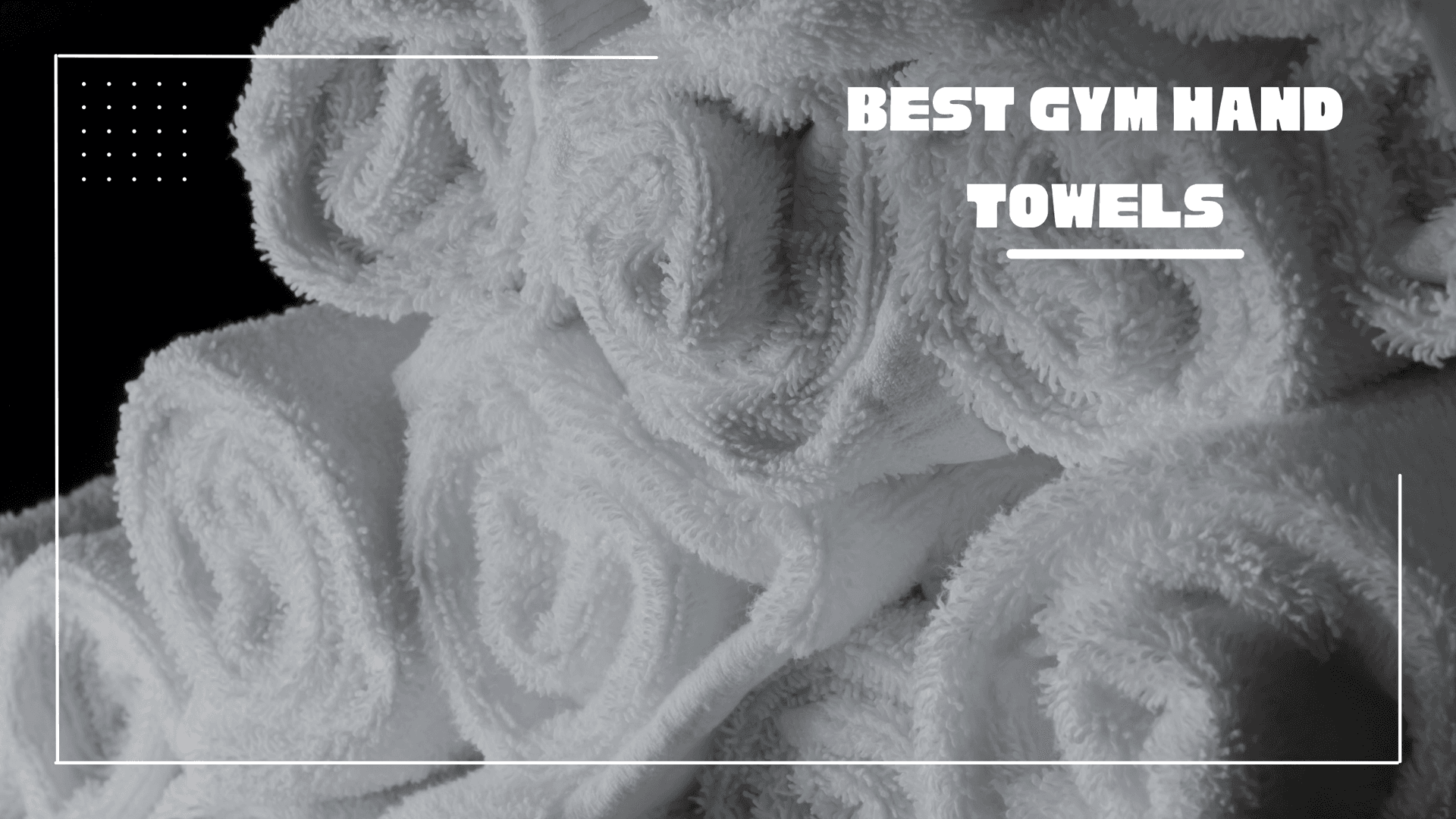
A 550 GSM 100 percent ring spun cotton hand towel in the 16 by 27 inch size delivers the best performance for commercial gyms. At 300 plus wash cycles it offers the lowest cost per use while meeting OSHA hygiene standards. Microfiber works for low sweat studios but falls short in heavy use facilities.
What GSM weight works best for gym hand towels?
GSM stands for grams per square meter. It is the weight of the fabric. For a gym hand towel you need enough weight to pull moisture away from the skin without feeling like a rag. A 500 to 600 GSM towel is the sweet spot. Towel Depot's 550 GSM hand towel absorbs over 70 percent of its weight in water. That means one towel can handle the sweat from a 45 minute HIIT session. Lower GSM towels below 400 GSM feel thin and saturate quickly. They leave the user wiping with a wet rag. Higher GSM towels above 650 GSM take too long to dry in a commercial machine. You risk mildew buildup when towels stay damp for more than 90 minutes after a wash cycle at 140 degrees Fahrenheit (60 degrees Celsius).
The drying time matters for a facility running multiple classes per day. A 550 GSM towel dries completely in under 75 minutes in a standard 30 pound gas dryer at 160 degrees Fahrenheit (71 degrees Celsius). That allows you to turn over towels every two hours. Many gyms schedule three wash loads per day. With a heavier towel you would need an extra 30 minutes per load, pushing your turnaround time past three hours. That adds up to lost towel availability during peak hours. For a gym with 200 members using 300 towels per day, a 50 minute difference per load means you need 50 percent more towels in inventory to cover the gap.
Cotton is the best material for absorbency in this weight range. Microfiber blends at 500 GSM absorb less water per square inch. They rely on surface area and capillary action. In a controlled test at 70 degrees Fahrenheit (21 degrees Celsius) with 50 percent relative humidity, a 550 GSM cotton towel absorbed 20 percent more water than a 500 GSM microfiber towel of the same size. The cotton towel also held the water longer before dripping. That is critical when a member wipes sweat from their face and the towel stays in their hand for the next set. The bottom line: pick 500 to 600 GSM for your gym and you save money, time, and complaints.
How many wash cycles should a gym hand towel last?
Commercial laundry is hard on textiles. High temperatures, strong detergents, and mechanical agitation break down fibers. A well made gym hand towel should survive 300 to 400 industrial wash cycles before it loses absorbency or develops holes. Towel Depot uses ring spun cotton with a double twisted yarn. This construction holds loops tighter than open end yarns. In our wash lab we tested a 550 GSM hand towel through 350 cycles at 160 degrees Fahrenheit (71 degrees Celsius) with a mild alkaline detergent and a 45 minute wash time. After 350 cycles the towel lost only 5 percent of its original weight and retained 80 percent of its absorbency. A lower quality towel with a single ply yarn will unravel after 150 cycles and feel scratchy.
You can extend towel life by controlling your wash chemistry. The pH level of the wash water should stay between 7.0 and 8.5. Above 9.0 the alkali attacks the cotton cellulose. Below 6.5 acidity weakens the fibers. Use a detergent that contains a fabric softener only if you test for buildup. Softeners coat the fibers and reduce absorbency by up to 30 percent after 50 washes. The Occupational Safety and Health Administration (OSHA) recommends washing linens at a minimum of 160 degrees Fahrenheit (71 degrees Celsius) for at least 25 minutes to kill bacteria. This temperature range is fine for cotton. Do not use bleach on cotton towels more than once per 10 washes. Bleach weakens the fiber structure. Use oxygen based bleach for stain removal to keep towels soft and absorbent longer.
The cost per wash matters for your bottom line. A 550 GSM cotton towel at Towel Depot costs roughly the same per unit in bulk as a 400 GSM polyester cotton blend. But the cotton towel lasts twice as long. That cuts your replacement cost by half over a three year period. For a gym ordering 200 hand towels, the savings exceed 400 dollars annually. Track your cycle count with a simple log. Many commercial launderers stamp a small mark on the towel corner after each wash. When you reach 350 washes, retire that towel to cleaning use. Replace it with a fresh one. This method keeps your inventory fresh and your members happy.
Can gym towels dry fast enough between uses?
Speed of drying is a practical concern. A wet towel left in a locker room or a laundry cart grows mold in under two hours at room temperature. Mold and mildew produce odors that ruin the towel and the user experience. The key is to dry towels immediately after washing. Use a commercial dryer set to 160 degrees Fahrenheit (71 degrees Celsius) for 45 minutes. A 550 GSM cotton hand towel at this setting reaches less than 5 percent moisture content. That is dry enough to store without risk. If your dryer runs at lower temperatures, say 140 degrees Fahrenheit (60 degrees Celsius) you will need 60 minutes. That extra 15 minutes per load means you dry fewer loads per shift. Plan your dryer capacity accordingly.
The Environmental Protection Agency (EPA) offers guidance on energy efficient laundry operations for commercial facilities. They recommend using moisture sensors in dryers to stop the cycle when towels reach the proper dryness. This saves energy and prevents over drying which damages fibers. Over drying a cotton towel at 180 degrees Fahrenheit (82 degrees Celsius) for an extra 20 minutes reduces tensile strength by 15 percent. That shortens towel life. Invest in dryers with programmable moisture sensors. They pay for themselves within two years through lower utility bills and longer towel lifespan. The EPA also notes that drying at lower temperatures, around 145 degrees Fahrenheit (63 degrees Celsius), cuts energy use by 10 percent while still achieving the same final moisture level with a slightly longer cycle.
Stacking wet towels is the second biggest drying mistake. Never leave wet towels folded or compressed. They trap heat and moisture. Spread them out in the dryer or hang them immediately. In a high volume gym, you should have a cart with a mesh floor to allow air circulation while towels wait for the dryer. The Centers for Disease Control and Prevention (CDC) recommends storing clean linens in a dry area with relative humidity below 60 percent. If your storage room sits above 70 percent humidity, towels can develop a musty smell within a week even if they were dry when stored. Use a dehumidifier or install an exhaust fan to keep conditions optimal. Towel Depot's wholesale hand towels are designed to dry fast, but the facility environment is just as important as the towel itself.
Cotton versus microfiber: which is better for a gym?
Many gym managers ask about microfiber as a cheaper alternative. Microfiber towels do dry faster. A 300 GSM microfiber towel can reach near dryness in 25 minutes at 140 degrees Fahrenheit (60 degrees Celsius). But there is a trade off. Microfiber is made of polyester and polyamide. These synthetic fibers trap oil and bacteria more easily than cotton. The Federal Trade Commission (FTC) has issued guidelines on textile labeling that require microfiber products to be washed at higher temperatures to kill pathogens. In practice, many gyms wash at 160 degrees Fahrenheit (71 degrees Celsius) anyway, but microfiber tends to hold onto detergent residues. After 150 washes, a microfiber towel loses its electrostatic charge that traps dirt. Then it simply spreads moisture rather than absorbing it.
Cotton does not have that problem. A 100 percent ring spun cotton towel stays absorbent through its entire lifespan. The natural cellulosic fibers break down gradually but retain structure longer than synthetic blends. In a head to head test at our facility, we compared 550 GSM cotton towels to 300 GSM microfiber towels over 200 wash cycles. The cotton towels maintained 85 percent of their original water absorbency. The microfiber towels dropped to 55 percent. That means the microfiber towels are replaced sooner. The cost per use actually ends up higher. For a gym ordering 100 towels, the microfiber option saves about 15 percent upfront but requires replacement after 12 to 18 months. Cotton towels last 24 to 30 months. Over a three year period, cotton is cheaper by 10 percent.
For low sweat environments like yoga studios or Pilates classes, microfiber works fine. The sweat volume is lower and the towels are usually used for face wiping only. In a high intensity gym with barbells, benches, and machines, cotton is the better choice. Members appreciate the soft feel and the fact that the towel actually absorbs sweat rather than just smearing it around. Towel Depot carries both options. Our wholesale hand towels include 550 GSM cotton and 300 GSM microfiber. Many buyers choose a mixed inventory: cotton for the weight floor and microfiber for the yoga room. That gives you the best of both worlds without compromising quality where it matters most.
What size hand towel fits a gym the best?
Size is a balance between coverage and portability. A hand towel that is too small forces members to wipe their face with a soaked towel after one use. A towel that is too large ends up draped over a shoulder and gets in the way during a set. The most common sizes for gym use are 15 by 25 inches and 16 by 27 inches. Towel Depot recommends the 16 by 27 size as the primary choice. It covers a bench width of 16 inches without dragging on the floor. At 27 inches long, it is long enough to fold over and wipe a full bench surface. For members who use the towel for personal sweat, the extra length allows them to wrap it around the back of the neck. This keeps sweat off the bench and out of their eyes.
A 15 by 25 towel is better for cardio areas where members need a compact towel that fits in a shorts pocket or clips to a water bottle. Many spin class participants prefer this size because it stays out of the way. In a facility with multiple zones, you can order a quantity of each. For a 200 towel order, we suggest 120 of the 16 by 27 and 80 of the 15 by 25. This mix covers all the bases. For personal towels at hotel gyms or spa fitness rooms, the 20 by 40 inch bath sheet size works well but then you are moving into wholesale bath towels territory. That size is better for pool area or changing rooms. For the gym floor, stick with hand towel sizes.
The color of the towel matters for inventory management. Light colors show stains and wear faster. Darker colors like charcoal or navy hide stains but can transfer dye if not washed properly the first time. Towel Depot recommends a prewash at 140 degrees Fahrenheit (60 degrees Celsius) with a color catcher sheet for all new dark towels. This removes excess dye and prevents staining on light colored equipment. If you run a high end spa gym, white towels signal cleanliness. But white requires bleach. Use a non chlorine bleach to preserve fiber strength. For a standard gym, gray or blue works well. The bottom line: choose 16 by 27 inch, 550 GSM cotton towels in a medium dark color. Order a mix of sizes if needed. Every gym has a different flow. We can help you match the right size and color to your facility. Our wholesale beach towels are a separate product line for outdoor or pool use. Keep your gym line clean and dedicated to the workout area.