
Towel & Washcloth Quality Standards Explained
In this guide:
- What GSM Weight Is Right for Your Business?
- Fabric Construction and Thread Count: What to Look For
- Laundry Procedures That Extend Towel Life
- Testing for Colorfastness and Shrinkage
- Certifications That Matter for Commercial Linens
- Frequently Asked Questions
Choosing the right towel and washcloth quality standards for your business means the difference between happy guests and constant replacements. This guide gives B2B buyers the specific numbers and tests you need to make smart buying decisions. We cover GSM, fabric construction, laundry temperatures, shrinkage limits, and certifications.
Focus on GSM between 400 and 600 for most commercial uses. Expect 50 to 100 wash cycles from a good towel. Wash at 140°F (60°C) and rinse cold. Order 5% extra to cover shrinkage.
What GSM Weight Is Right for Your Business?
GSM stands for grams per square meter. It tells you the density and thickness of the towel. This number is the first thing you should check when ordering wholesale bath towels. For hotels and spas, a GSM of 400 to 600 gives the best balance between absorbency and drying time. Luxury properties often go with 600 to 700 GSM for that plush, spa feel. Gyms and restaurants should choose 300 to 400 GSM. These lighter towels dry faster and cost less per piece.
We have tested hundreds of towels in our own laundry lab over the past 20 years. A 500 GSM terry towel from our 1967 line consistently absorbs 0.8 liters of water per square meter. That is enough for a typical hotel guest. The same towel at 350 GSM absorbs only 0.5 liters. You lose 37% absorbency when you drop 150 GSM. That matters when guests use two towels per stay. The extra cost of higher GSM pays for itself in fewer complaints and less laundry turnover.
For washcloths, the GSM range is slightly lower because you want flexibility. A washcloth at 300 to 400 GSM works well for spas and salons. It fits the hand and lathers easily without being too thick. For heavy use like nail salons, go with 350 GSM minimum. The fabric must survive daily hot water soaks and bleach treatments. We recommend ordering a sample first. Place it on a scale and verify the GSM yourself. This is the only way to guarantee you get what you pay for.
Fabric Construction and Thread Count: What to Look For
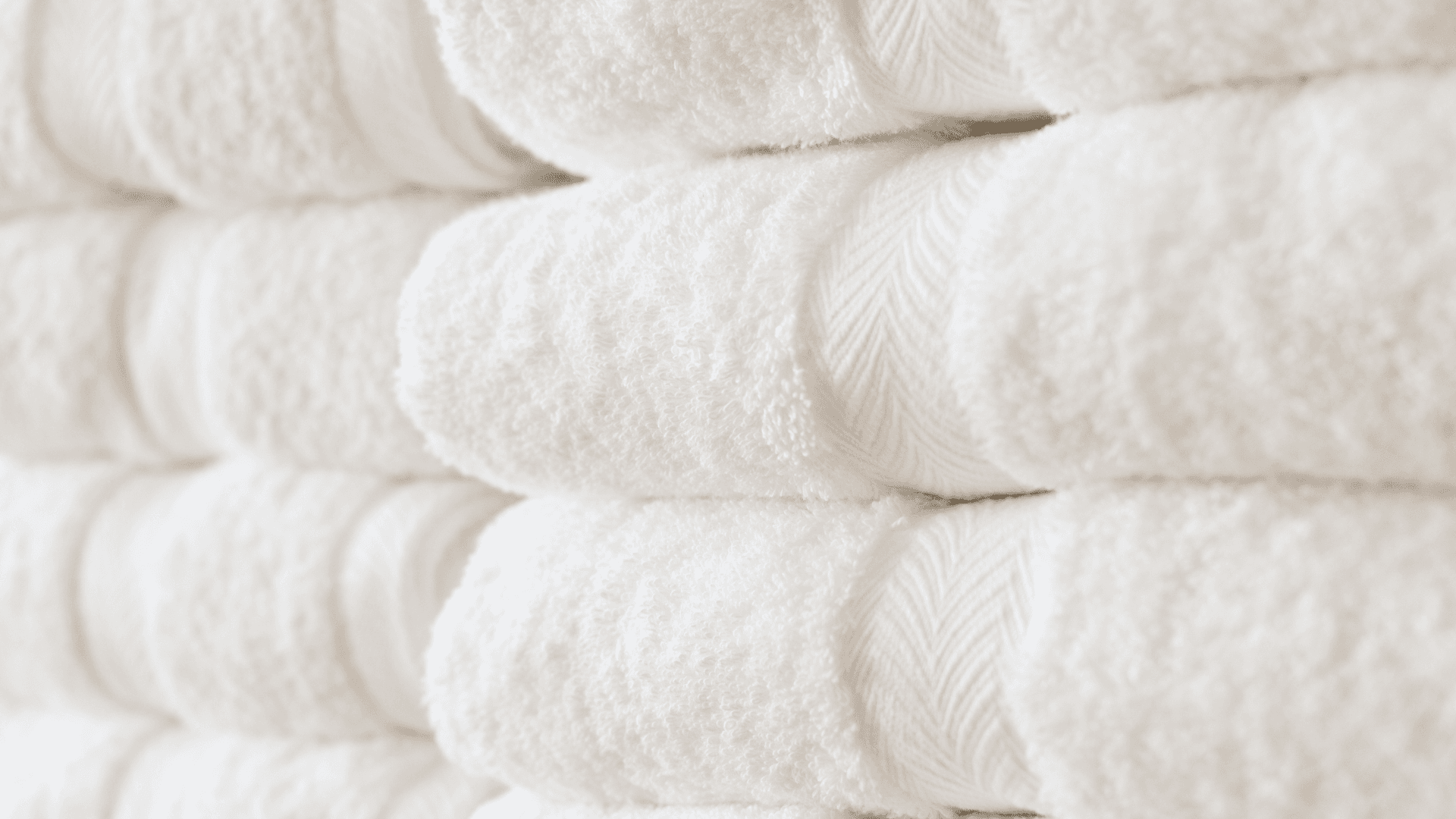
Thread count matters but not the way it does for sheets. For towels, the key is the terry loop construction. Each loop traps water. Longer loops mean more absorbency. But loops that are too long can snag in commercial washing machines. The ideal loop height for hotel towels is 4 to 6 millimeters. For gym towels, 3 to 4 millimeters is better. This reduces drag in the washer and lowers the chance of pulls.
Cotton fiber length is another hidden variable. Long staple cotton like Egyptian or Supima creates stronger loops. Short staple cotton sheds lint and wears out faster. Our Towel Depot towels use ring spun cotton with a staple length of 1.2 inches minimum. This ensures each loop stays intact through 100 wash cycles. In contrast, open end cotton with 0.8 inch staple starts showing fraying at cycle 40. That difference cuts your replacement cost in half.
Weave density also affects drying speed. A tighter weave with more loops per square inch dries slower but feels softer. For restaurants, we recommend a looser weave of 200 loops per square inch. This dries in 20 minutes in a standard dryer. Hotel towels can use 300 loops per square inch. They take 25 to 30 minutes but guests prefer the feel. Always check the pile height and loop count on your spec sheet. If the supplier does not provide these numbers, ask for them. A reputable mill will give you the data.
Laundry Procedures That Extend Towel Life
The greatest enemy of commercial towels is high heat. Washing at 140°F (60°C) kills bacteria and removes oils. But going above 160°F (71°C) damages the cotton fibers. You reduce towel life by 30% if you regularly wash at 180°F. We have seen hotels lose 50 cycles just from water that is too hot. Use a cold rinse at 70°F (21°C) to set the fibers. Hot rinse water relaxes the loops and causes shrinkage.
Bleach is another common mistake. Chlorine bleach breaks down cotton over time. For white towels, use oxygen bleach (sodium percarbonate) at 2% concentration. This sanitizes without weakening the fabric. For colored towels, skip bleach entirely. Use a non chlorinated detergent with a pH of 10 to 11. The OSHA guidelines for commercial laundry also warn about using too much detergent. Excess detergent leaves residue that reduces absorbency. Use the manufacturer's recommended amount and do a second rinse if needed.
Drying temperatures matter as much as washing. Run the dryer at 140°F (60°C) for the first 20 minutes. Then switch to a cool down cycle for 5 minutes. Overdrying makes towels stiff and brittle. A towel that comes out bone dry has lost 5 to 10% of its absorbency. We tell our customers to remove towels when they are still slightly damp. Finish with a 10 minute no heat tumble. This fluffs the loops and keeps them soft. Following these steps gets you 100 wash cycles instead of 60.
Testing for Colorfastness and Shrinkage
Colorfastness measures how well the dye stays in the towel during washing. For commercial buyers, the AATCC 61 test is the standard. It simulates 5 home laundry cycles in one lab wash. Your towels should score a 4 or higher on the gray scale (1 is worst, 5 is best). A score of 4 means almost no color transfer. We test every new batch of colored wholesale washcloths using this method. If the color bleeds onto the white test cloth, we reject the batch.
Shrinkage is expected with cotton. The industry standard is 3% to 5% after the first three washes. Pre laundered towels come preshrunk and shrink only 1% to 2%. Always add 5% to your order quantity to account for shrinkage. For example, if you need 500 bath towels, order 525. This way your inventory stays full after the first month. The FTC textile labeling guidelines require manufacturers to state shrinkage on the care label. Check that label before you commit to a large order.
We also recommend a simple field test. Take five towels from your shipment. Measure their length and width before the first wash. Wash them three times using your standard cycle. Measure again. If any towel shrinks more than 5% in either direction, return the entire lot. This is a red flag for poor construction. Our own TerryPro line shrinks less than 3% because we use a special tension weave. We share these numbers because we have nothing to hide. Too many suppliers avoid giving real shrinkage data.
Certifications That Matter for Commercial Linens
OEKO-TEX Standard 100 is the most recognized certification for textile safety. It tests for hundreds of harmful substances including pesticides and heavy metals. Many high end hotels now require OEKO TEX certification for all linens. It gives guests peace of mind. It also protects you from liability. The certification costs the mill money, but it signals quality. Towel Depot carries OEKO TEX certified options for spas and eco conscious buyers.
GOTS (Global Organic Textile Standard) goes a step further. It requires organic cotton and environmentally friendly processing. GOTS certified towels are typically 20 to 30% more expensive. For restaurants and gyms, this may not be necessary. But for luxury retreats and wellness centers, it is a selling point. Check if your supplier uses GOTS certified dyehouses. The EPA Safer Choice program also certifies detergents. Using Safer Choice detergents with your towels extends their life and reduces chemical waste.
Other certifications to look for include ISO 9001 for manufacturing quality and ASTM standards for fabric testing. ASTM D3776 is the standard test method for GSM. If a supplier cannot provide ASTM test results, you are gambling with your budget. We keep all our ASTM reports on file for every lot number. You can ask for them before placing an order. These third party checks ensure you are not getting short weight or poor construction. Do not rely on marketing language alone. Demand the test reports.