
Thermal Blanket Selection Guide for Businesses
In this guide:
- What GSM weight should I look for in a commercial thermal blanket?
- How do thermal blankets compare to fleece or cotton blankets in a commercial setting?
- What size and weight specifications matter most for bulk blanket orders?
- How many commercial wash cycles can a thermal blanket endure?
- What safety certifications should I check for thermal blankets used in businesses?
- Frequently Asked Questions
This thermal blanket selection guide helps B2B buyers choose the right product for hotels, salons, spas, gyms, and restaurants. We cover GSM weights, fabric comparisons, sizing, wash durability, and safety standards so you can place your next bulk order with confidence. Whether you need 100 or 500 units, the right blanket saves money and keeps guests comfortable.
For commercial use, choose a thermal blanket with 180 to 250 GSM, pre shrunk cotton or polyester blend, and verify flame resistance certification. Expect 100 to 150 wash cycles. Order a sample before committing to volume.
What GSM weight should I look for in a commercial thermal blanket?
GSM stands for grams per square meter. It measures fabric density. For a commercial thermal blanket used in hotels or spas, the sweet spot is between 180 and 250 GSM. At 180 GSM, the blanket is light and breathable. It works well for summer months or in warm climates. At 250 GSM, the blanket offers more insulation. It traps body heat better during winter or in air conditioned rooms. A thermal blanket at 200 GSM is a versatile year round option that suits most B2B buyers.
Consider your facility's typical temperature range. If your hotel rooms hover around 68 F (20 C) year round, a 200 GSM blanket provides comfortable warmth without making guests sweat. For spa treatment rooms kept at 72 F (22 C), a lighter 180 GSM blanket works well for draping. For overnight guest rooms in northern climates where winter temperatures drop below 30 F (minus 1 C), a 250 GSM blanket gives extra insulation.
Always order samples at different GSM weights before placing a bulk order. Test them on actual beds or in treatment rooms. You will see how they feel against the skin and how they hold up after one or two washes. This simple step prevents costly mistakes. Remember that GSM directly affects price per unit. Heavier blankets cost more. Balance your budget with guest comfort expectations.
How do thermal blankets compare to fleece or cotton blankets in a commercial setting?
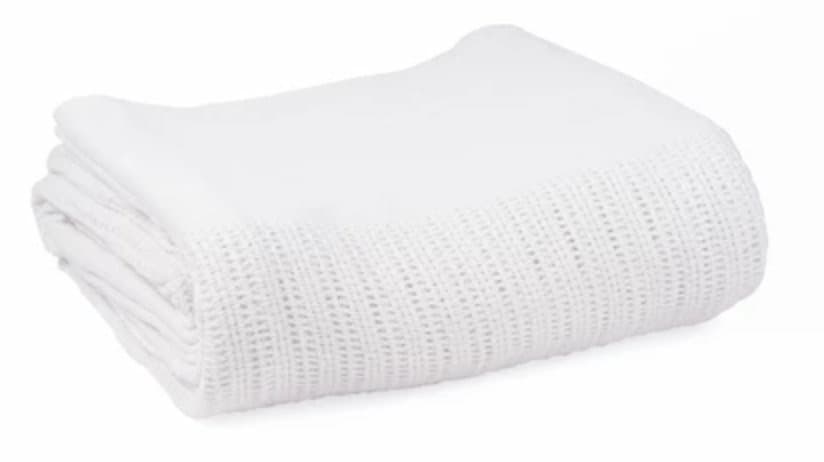
Thermal blankets differ from fleece and cotton in three key areas: breathability, durability, and laundering. Fleece blankets trap heat well but do not breathe. Guests in warm rooms or humid climates end up sweating under fleece. Cotton blankets are soft and absorbent, but they shrink and pill quickly under commercial washing. Thermal blankets use an open weave construction that allows air to circulate. This structure wicks moisture away from the body and keeps guests dry.
In terms of wash durability, cotton blankets typically last 80 to 100 cycles before fraying or shrinking out of shape. Fleece blankets can survive 100 to 120 cycles but lose softness as fibers pill. A quality thermal blanket made from a polyester cotton blend can endure 100 to 150 commercial wash cycles with minimal change in appearance. The open weave construction also sheds wrinkles better than solid cotton, reducing pressing time for your laundry staff.
Cost per unit is another factor. Fleece blankets are often cheaper upfront but need replacement sooner. Cotton blankets sit in the middle. Thermal blankets tend to have a higher initial cost but a longer life span. For a bulk order of 200 blankets, the savings from fewer replacements over three years can be significant. If you also buy wholesale bath towels and wholesale beach towels, you can bundle orders to reduce freight costs. Talk to your supplier about mixed pallet pricing.
What size and weight specifications matter most for bulk blanket orders?
Standard hotel beds use either twin (66x90 inches) or full/queen (80x90 inches) dimensions. A thermal blanket sized for a queen bed should have enough overhang to tuck under the mattress. The blanket weight itself affects shipping costs and storage space. A 200 GSM blanket in queen size weighs about 2 pounds per unit. Ordering 500 units means 1,000 pounds of product. Factor freight charges into your total cost per blanket.
Pre shrunk fabric is non negotiable for commercial use. Cotton blends shrink up to 5 percent after the first wash. If you buy standard cotton thermal blankets without shrink resistant treatment, you will lose inches of length and width after one laundering. That blanket no longer fits the bed properly. Insist on pre shrunk materials. Many mills treat their thermal blanket fabric with a mechanical compaction process that reduces shrinkage to less than 2 percent.
Consider the thickness of the blanket stack when ordering. A single 200 GSM thermal blanket measures roughly 3 mm thick when folded. Stacking 100 blankets adds about 12 inches of height. Plan your linen closet shelving accordingly. Also talk to your laundry team about the drum capacity of your washers. Oversized queen blankets can bunch up in a 35 pound washer. They may need an extra rinse cycle to fully extract water. Our wholesale blankets are tested in commercial laundry conditions to ensure consistent sizing.
How many commercial wash cycles can a thermal blanket endure?
Thermal blankets built for commercial use typically last 100 to 150 wash cycles. The exact number depends on water temperature, detergent type, and drying method. Hot water above 160 F (71 C) breaks down fibers faster. Keep wash temperature at 140 F (60 C) for optimal cleaning without excessive wear. Use a mild alkaline detergent with a pH between 8 and 10. Avoid chlorinated bleach. It damages polyester fibers and turns cotton yellow over time.
Drying matters just as much as washing. High heat in the tumble dryer accelerates fiber breakdown. Set the dryer to a medium temperature. Remove blankets while they are still slightly damp. Let them finish drying on a flat surface or on a drying rack. Over drying creates static and weakens the open weave structure. With proper care, a 200 GSM polyester cotton blend blanket will retain its shape and softness past the 125 cycle mark.
Tracking wash cycles in a commercial setting is straightforward. Keep a log for each batch of blankets. Tag the blankets with a laundry marker and note the date of first use. After every 50 washes, inspect for edge fraying or pilling. Replace any blanket that shows significant wear before it becomes unsightly. This proactive approach keeps your linen inventory consistent and your guests comfortable. A well maintained thermal blanket can serve your business for two to three years.
What safety certifications should I check for thermal blankets used in businesses?
Flame resistance is the top safety concern for commercial blankets. Look for blankets tested to NFPA 701 or CPAI 84 standards. These tests measure how quickly fabric burns and whether it self extinguishes. Hotels, hospitals, and public accommodations must meet local fire codes. Check with your fire marshal about specific requirements. The Consumer Product Safety Commission provides guidance on textile flammability for commercial products.
Chemical safety is another critical factor. Blankets can contain residual dyes, formaldehyde, or other chemicals from manufacturing. OEKO TEX Standard 100 certification ensures that every component of the blanket has been tested for harmful substances. This certification matters for spas and salons where blankets come into direct contact with clients skin for extended periods. The Occupational Safety and Health Administration does not mandate OEKO TEX, but it aligns with good workplace safety practices.
Also verify that the blanket meets ASTM standards for dimensional stability and pilling resistance. ASTM E1590 or equivalent tests measure how fabric performs under repeated mechanical stress. A blanket that passes these tests will hold its shape and look good after many wash cycles. Ask your supplier for a copy of the test report. Reputable mills will provide documentation. If they cannot, move on to another vendor. Towel Depot provides full certification records for every bulk thermal blanket order we ship.