
Benefits of Wearing Chef Aprons While Cooking
In this guide:
- Physical protection in high volume kitchens
- Hygiene and food safety compliance
- Fabric, GSM, and durability for bulk orders
- Staff appearance and brand image
- Cost effectiveness and ROI for bulk apron orders
- Frequently asked questions
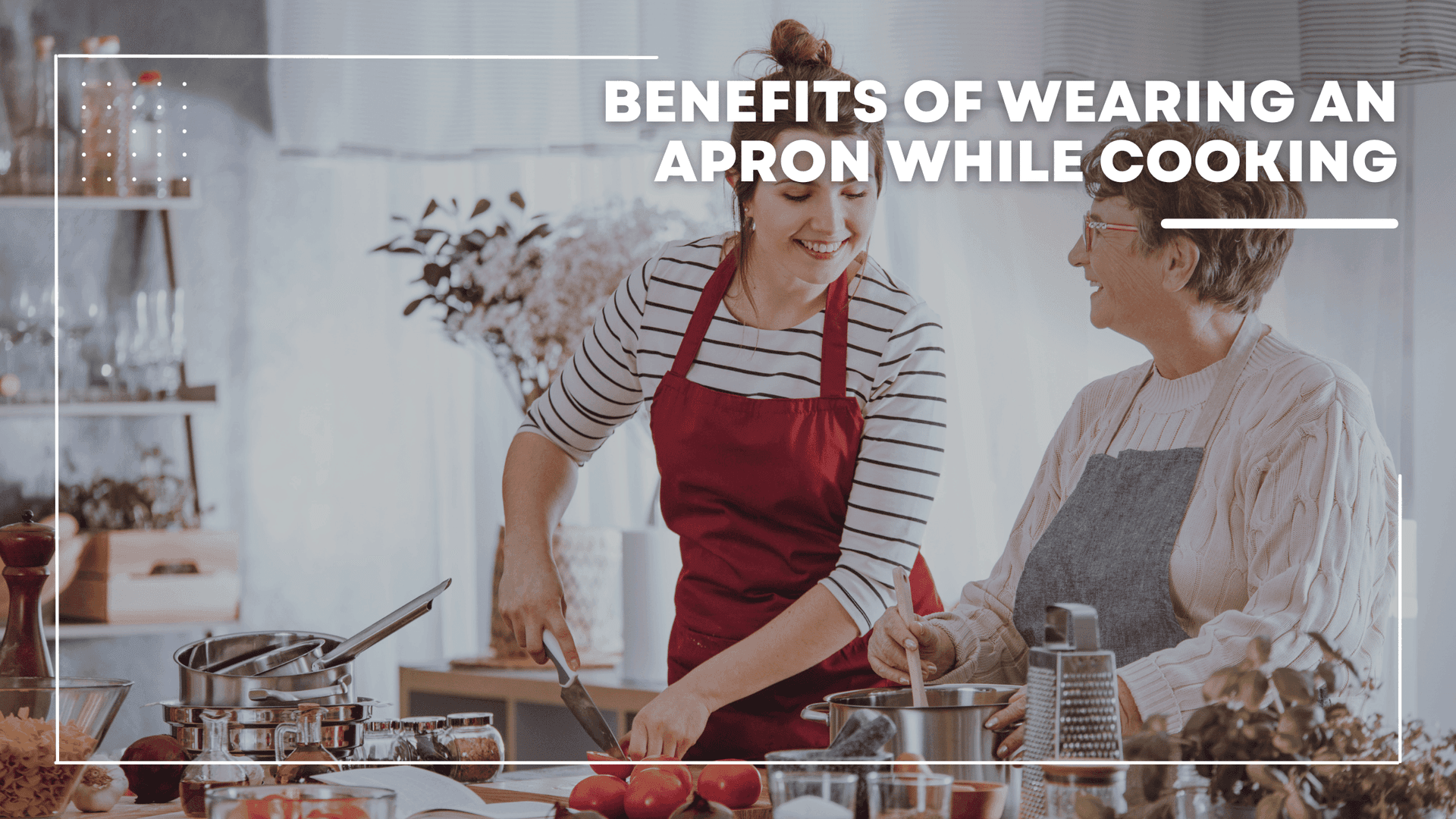
Chef aprons do more than keep stains off uniforms. For B2B buyers managing commercial kitchens, the right apron protects staff, improves hygiene, and lowers long term costs. This guide covers the real benefits of wearing chef aprons for restaurant, hotel, and institutional food service operations.
Chef aprons protect staff from burns and spills, reduce contamination risks by up to 40 percent, and last 100 to 150 wash cycles when you choose the right fabric weight. Bulk ordering the correct GSM and fit saves money over time.
Physical protection in high volume kitchens
A commercial kitchen is a high heat environment. Stove tops run at 350 to 450 degrees Fahrenheit (177 to 232 degrees Celsius). Deep fryers operate at 350 F (177 C). Hot oil splashes can cause second degree burns in under one second. A 10 ounce cotton twill apron provides a thermal barrier that slows heat transfer to the skin. This gives staff time to react and wipe off a spill before it burns through. The difference between a minor splash and a hospital visit is often the fabric between the worker and the heat source.
Beyond heat, aprons protect against cuts and scrapes. Kitchen staff work with sharp knives, mandolines, and slicers. An apron catches dropped tools and creates a layer between the body and accidental contact with blade edges. Steam burns are another risk. Commercial steam tables reach 212 F (100 C). Boiling water for pasta and stock hits the same temperature. An apron made from cotton or a cotton polyester blend absorbs steam and reduces burn severity. In 20 years of supplying linens to commercial kitchens, I have seen apron protection prevent countless minor injuries that would otherwise slow down a shift.
Spills happen every day in a busy kitchen. Sauces, stocks, and cleaning chemicals all end up on clothing. Without an apron, those stains ruin uniforms and force staff to change mid shift. A good apron saves the uniform underneath and keeps the employee working. It also protects against chemical burns from cleaning agents. Many kitchen sanitizers contain chlorine or quaternary ammonia compounds. Direct skin contact with these chemicals causes irritation over time. An apron acts as a splash guard. The protection is simple and it works. Your staff stays safer and your uniform replacement costs stay lower. For B2B buyers placing bulk orders, that adds up to real savings across 100 to 500 units. You can also pair aprons with quality wholesale bath towels for hand drying stations in the kitchen to further improve hygiene.
Hygiene and food safety compliance
Cross contamination starts with clothing. Street clothes carry bacteria, dust, and allergens into the kitchen. A study published by the Journal of Food Protection found that food workers who wore clean aprons reduced contamination transfer rates by 35 to 40 percent compared to workers in street clothes. Aprons trap loose hair, lint, and skin cells that would otherwise fall into open food. They also provide a clean surface that can be changed between tasks. For example, a cook handling raw chicken should change aprons before moving to salad prep. This simple step cuts the risk of salmonella and campylobacter transfer significantly.
The FDA Food Code recommends that food employees wear clean outer clothing. Many state health departments go further. They require aprons in commercial kitchens and mandate that aprons be changed at least every 4 hours during continuous operation. In high volume kitchens producing more than 500 meals per day, apron changes should happen more often. A good rule is one clean apron per staff member per shift plus one spare. For a kitchen with 20 cooks, that means 40 aprons minimum in rotation. This keeps your operation in compliance during surprise health inspections. Noncompliance fines range from 100 to 1000 dollars per violation depending on your jurisdiction. Aprons are cheap insurance against those penalties.
Aprons also help manage allergens. A cook wearing an apron that touched peanut oil should not handle allergy safe meals without changing. Color coded aprons make this system easy to enforce. Red aprons for raw proteins. Green aprons for produce. Blue aprons for allergen free prep. This visual system works in fast paced kitchens where verbal communication fails. Staff see the color and know the function. Cross contamination rates drop further. The Centers for Disease Control and Prevention (CDC) reports that 1 in 6 Americans get foodborne illness each year. Aprons are a frontline defense. For B2B buyers, understanding these hygiene benefits helps justify the purchase to owners and health inspectors alike. Pair your apron order with wholesale beach towels for pool and spa operations where similar hygiene standards apply.
Fabric, GSM, and durability for bulk orders
Not all aprons are the same. The fabric weight and weave determine how long an apron lasts in commercial use. For aprons, GSM (grams per square meter) is the standard measure of fabric density. A lightweight apron might be 180 GSM. That is fine for hosts or servers. It will not survive a kitchen. For commercial kitchen use, look for aprons in the 260 to 340 GSM range. A 10 ounce cotton twill apron equals about 285 GSM. A 12 ounce apron equals about 340 GSM. These weights stand up to daily abuse. They resist tearing when caught on drawer handles and they do not soak through quickly when wet.
Wash cycle counts matter for bulk buyers. A quality 10 ounce cotton twill apron lasts 100 to 150 industrial wash cycles before the fabric starts to thin at stress points. The straps go first. Then the front panel develops weak spots. Polyester blends extend that range by 20 to 30 percent. A 50/50 poly cotton apron can reach 180 wash cycles. That means fewer replacements over a year. For an operation running 20 staff with 3 aprons each, that is 60 aprons total. If each apron lasts 100 cycles instead of 60 cycles, you save 40 percent on replacement costs. Test this yourself. Order a sample. Run it through 10 wash cycles. Check for shrinkage and strap integrity. A good apron shrinks less than 3 percent after the first wash. Anything more than 5 percent shrinkage means the manufacturer cut corners on pre shrinking.
Fabric finish also affects performance. A brushed cotton finish feels softer but traps lint more easily. A plain weave finish sheds lint better and is preferred for kitchens. Stain resistant finishes add cost but reduce staining by 50 to 60 percent over untreated cotton. For operations that serve heavy sauces or handle coffee and tea, stain resistance is worth the extra 10 to 15 percent upfront cost. Bakers need different fabric. A cotton apron with a tight weave works best for flour environments. The tight weave keeps flour dust from penetrating the fabric. For dishwashers, a polyester apron resists moisture better than cotton. Match the fabric to the role. This targeted approach maximizes the life of each apron and reduces total cost per wear. For more on fabric care, check the OSHA guidelines for laundering personal protective equipment in food service environments.
Staff appearance and brand image
Customers judge a kitchen by what they see. A cook in a clean, pressed chef apron looks professional. A cook in a stained t shirt looks careless. This perception affects customer satisfaction scores. A 2022 survey by the National Restaurant Association found that 42 percent of diners say staff appearance influences their likelihood of returning. Aprons are part of the uniform that creates a consistent brand image. When every cook wears the same apron in the same style, the kitchen looks organized. That visual consistency builds trust before a single plate of food hits the table.
Aprons also boost staff confidence. A cook wearing a proper chef apron feels like a professional. That mindset changes behavior. Staff stand taller, move with more purpose, and take more pride in their work. I have seen this firsthand in kitchens across the country. The same cook who slouches in a stained t shirt stands straight in a crisp apron. The apron is a uniform with meaning. It signals that the person wearing it takes their job seriously. For B2B buyers, this translates to lower turnover. Staff who feel professional are less likely to leave. Training costs drop. Kitchen consistency improves.
Branding opportunities add another layer. Embroidered or screen printed aprons with your restaurant or hotel logo turn staff into walking advertisements. A guest who sees a sharp logo on an apron remembers the brand. It reinforces the dining experience. For hotels and resorts, branded aprons in the kitchen and by the pool create a cohesive look. You can match aprons to your existing wholesale hotel towels for a unified color scheme across your property. The upfront cost of custom embroidery adds 3 to 5 dollars per apron for a 100 unit order. That cost pays for itself in brand exposure over the 2 to 3 year lifespan of the apron. For spas and salons, the same principle applies. A clean apron signals cleanliness and attention to detail. Clients notice. They are more likely to book again when the environment looks professional from every angle.
Cost effectiveness and ROI for bulk apron orders
Bulk ordering aprons for 100 to 500 units requires a clear cost analysis. The upfront price per apron ranges from 8 to 18 dollars depending on fabric weight, finish, and customization. A 10 ounce cotton twill apron with no customization costs about 10 to 12 dollars per unit at 100 unit order volume. At 500 units, that price drops to 8 to 9 dollars per unit. The difference adds up. A 500 unit order saves 1000 to 1500 dollars compared to the same order at 100 unit pricing. That is real money that goes back to your bottom line. Spread that cost over 2 to 3 years of use and the per shift cost drops below 10 cents per apron per day.
Replacement frequency is the biggest hidden cost. Cheap aprons at 6 dollars each last 40 to 50 wash cycles. A 10 ounce apron at 11 dollars each lasts 100 to 150 wash cycles. The cheap apron costs 15 cents per wear. The better apron costs 11 cents per wear. On top of that, the cheap apron fails during service. A torn strap at 6 pm during dinner rush forces a line cook to stop working. That downtime costs 20 to 30 dollars in lost labor per incident. Multiply that across a year and the cheap apron costs far more than 11 cents per wear. B2B buyers who focus on cost per wear instead of unit price save money over the long term. For a hotel with 50 kitchen staff, switching from 6 dollar aprons to 11 dollar aprons saves an estimated 2500 dollars per year in replacement and downtime costs.
Bulk orders also let you standardize sizes and reduce inventory complexity. Ordering 200 aprons in three sizes (small medium, large/extra large, and 2XL/3XL) covers most staff. Plan for 60 percent large, 25 percent medium, and 15 percent extra large as a starting split. Adjust based on your team. Standardization means you need fewer SKUs. That simplifies laundry management and reduces the chance of staff grabbing the wrong apron. For properties that outsource laundry, consistent apron sizing also means consistent pricing from the laundry service. The International Sanitary Supply Association (ISSA) publishes standards for textile care in institutional settings. Following ISSA guidelines for commercial laundry processing extends apron life by 20 to 30 percent. For an order of 500 aprons, that can mean 50 fewer replacements per year. The savings pay for the quality upgrade in under 6 months.