
A complete guideline on Surgical Reclaimed Huck Rags
In this guide:
- What are surgical reclaimed huck rags and how are they made?
- Why are they preferred in medical and industrial settings?
- How do they perform in high temperature wash cycles?
- What is the cost benefit compared to disposable alternatives?
- How to choose the right GSM and size for your business?
- Frequently asked questions
If you run a hotel, restaurant, salon, spa, or gym you buy cleaning and wiping materials in volume. Surgical reclaimed huck rags are the workhorse textile that many B2B buyers overlook. They are 100% cotton, lint free, and built to survive dozens of commercial laundry cycles. This guide gives you the facts you need to make a smart purchase decision for your operation.
Surgical reclaimed huck rags are reusable cotton wipers that outperform disposable alternatives in cost, durability, and cleanliness. One rag can be washed and reused 75 times, saving you 60 to 80 percent on annual wiping expenses.
What are surgical reclaimed huck rags and how are they made?
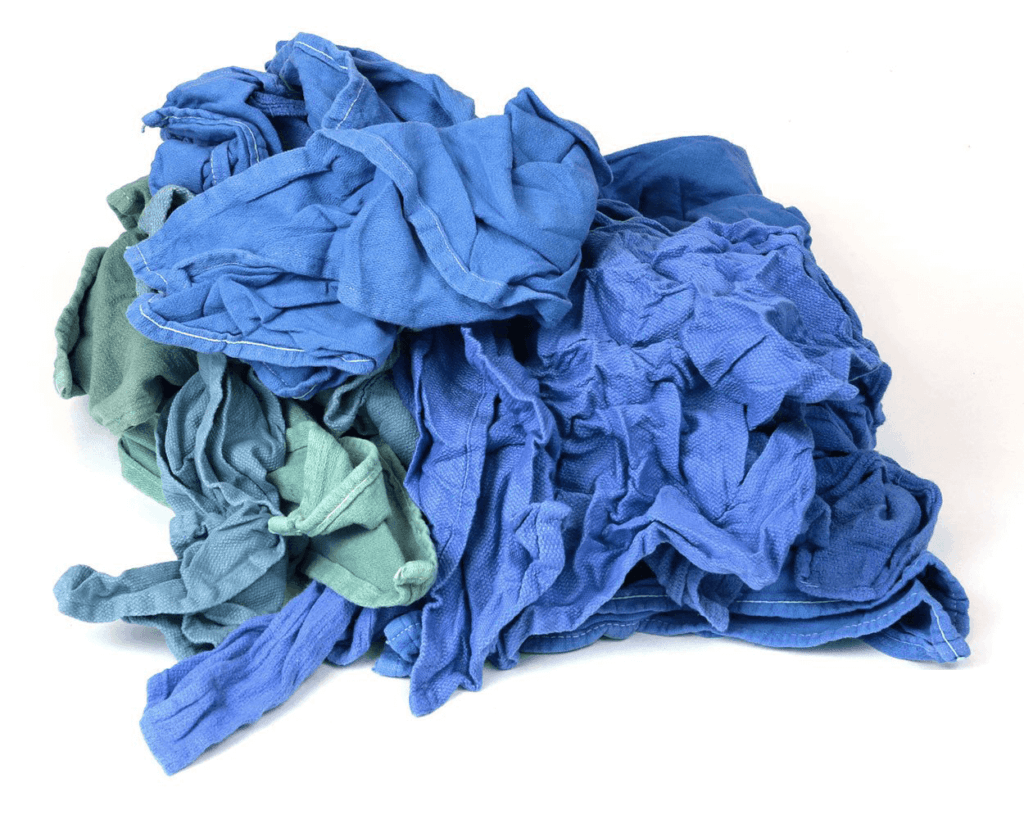
Surgical reclaimed huck rags start as new huck towels used in operating rooms. The “reclaimed” label means they are gently used hospital linens that still have plenty of life left. They are not scraps or seconds. These rags are sorted, inspected, and processed specifically for bulk resale to commercial buyers. The cotton yarns are woven in a huck weave pattern. That structure creates tiny loops on the surface. Those loops grab dirt and liquid without leaving lint behind.
The manufacturing process is straightforward. Mills weave 100% cotton yarn into fabric rolls. They cut the fabric into standard sizes like 14x16 inches or 16x18 inches. Each piece is hemmed on all four sides with a double stitch. A hem prevents fraying during washing and use. The rags are then bleached and sterilized to medical grade standards. After sterilization they go to hospitals for surgery. After a few uses the hospitals sell the towels back to reclaimers. The reclaimers launder them again at 195°F (90°C) to strip any bio burden. Final sorting removes rags with stains or tears. The good ones get packed for resale.
Weight is measured in grams per square meter (GSM). Surgical reclaimed huck rags typically run between 180 and 250 GSM. The higher the GSM the denser and more absorbent the rag. A 220 GSM rag can soak up about four times its own weight in water. That absorbency is crucial for wiping up spills, cleaning countertops, and drying instruments. For context a standard dish towel is around 180 GSM. You get the same feel but with a tighter weave that resists snagging.
Why are they preferred in medical and industrial settings?
Operating rooms demand zero lint. A single fiber can contaminate a surgical site or interfere with a camera lens. Surgical reclaimed huck rags produce virtually no lint because of the huck weave. The loops lock fibers in place. Even after dozens of wash cycles the fabric does not shed. That is why hospitals have used them for decades and why industries like aerospace and electronics manufacturing also specify them. The OSHA standard for housekeeping in healthcare references the need for clean lint free surfaces in procedure areas.
These rags also resist tearing. A standard paper towel tears when wet. A cotton huck rag stays intact. You can wring it out, use it again, and launder it. A single reclaimed huck rag can be washed 75 to 100 times before the fabric loses its integrity. Compare that to a disposable wipe that crumples after one use. For a busy restaurant kitchen or a hotel housekeeping cart that means fewer trips to the supply closet and less trash.
Hygiene is another factor. Cotton is naturally antimicrobial in the sense that it breathes and dries quickly. Bacteria struggle to grow on dry cotton. The rags are also laundered in high alkaline detergents and hot water. According to the CDC guidelines for laundering in healthcare facilities, water temperatures above 160°F (71°C) kill most pathogens. Surgical reclaimed huck rags see those temperatures every wash. Your staff stays safer.
How do they perform in high temperature wash cycles?
Commercial laundry machines run hot. Typical wash formulas go through a flush cycle at 100°F (38°C), a main wash at 160°F (71°C) to 180°F (82°C), and a rinse at 140°F (60°C). Surgical reclaimed huck rags handle these extremes without shrinking or distorting. The cotton fibers are preshrunk during the reclaiming process. You will lose about 2 to 3 percent in the first wash. After that the dimensions stay stable.
Wash cycle counts matter for cost per use. These rags are tested to endure 75 cycles at 160°F (71°C) with commercial detergents and bleach. After 75 washes the GSM may drop by 10 to 15 percent. That still leaves enough fabric for effective wiping. Many users report 100 cycles before the fabric shows holes or frayed edges. The hemming helps keep the edges tight. Without a hem a rag would unravel after 20 washes. That is why surgical reclaimed huck rags always come with four side hems.
Drying also needs care. Tumble dry on low heat about 140°F (60°C) for 20 to 25 minutes. High heat can cause cotton to become brittle. If you use an ironer or flatwork finisher set it to medium temperature. Over time that repeated heat exposure can reduce tensile strength by 5 percent per 50 cycles. For most commercial buyers that trade off is acceptable because the rags still last long enough to justify the upfront cost.
What is the cost benefit compared to disposable alternatives?
Disposable wipes cost anywhere from $0.08 to $0.30 each depending on size and material. A box of 100 wipes gives you 100 single use wipes. For a large facility that goes through 500 wipes a day that is $40 to $150 per day in consumables. Multiply that by 250 working days and you are looking at $10,000 to $37,500 annually just for wipes. Plus you must pay for trash disposal.
A surgical reclaimed huck rag costs between $0.15 and $0.35 per piece at wholesale rates. That is a one time cost. Each rag can be used and laundered 75 times. So the cost per use drops to about $0.002 to $0.005. Even accounting for laundry costs (water, energy, detergent, labor) the total per use stays under $0.02. The savings are dramatic. A hotel that switches from disposables to reclaimed huck rags for 500 daily wipes can save over $15,000 a year. The EPA’s sustainable materials management data confirms that reducing single use items lowers waste and operating costs.
There is a secondary benefit. Reclaimed huck rags reduce your waste stream. A single cotton rag replaces about 75 disposable wipes. That means 75 fewer items going to the landfill per rag. For businesses with sustainability goals this is a concrete win. You pay less and your environmental footprint shrinks. It is a rare case where the cheaper option is also the greener option.
How to choose the right GSM and size for your business?
Size selection depends on the task. For general wiping in restaurants and hotel kitchens a 16x18 inch rag is standard. It fits in a pocket or cart container. It folds well for gripping. For precision cleaning like salon instrument sterilization or spa table wiping a smaller 12x14 or 14x16 inch rag works better. It gives you more control and less fabric waste. Overstocking larger sizes leads to unnecessary bulk and slower drying.
GSM determines absorbency and feel. A low GSM (180 to 200) is lighter, dries faster, and works for light spills and dusting. A high GSM (220 to 250) is denser and thicker. It holds more liquid and stands up better to scrubbing. For surgical or cleanroom use always choose 220 GSM or higher. For hotel housekeeping a 180 GSM rag is often sufficient. Many buyers order two different GSM ranges for different departments. They use heavies in the kitchen and lights for guest room dusting.
Order quantities matter for pricing. Towel Depot typically sells in bulk cases of 100 to 500 units per order. At 500 units the per piece price drops by 15 to 20 percent compared to a 100 piece order. If you have the storage space, buying larger lots is smart. You can also pair these rags with our healthcare linens for a uniform bundle. For other areas check our wholesale bath towels for guest rooms or wholesale beach towels for poolside. Every textile in your facility can come from one supplier with consistent quality.