
Sanitation Towel
In this guide:
- What Is a Sanitation Towel and Why Does It Matter for Your Business?
- Why 100% Cotton Delivers the Best Results for Sanitation Towels
- Best Practices for Laundering and Maintaining Sanitation Towels
- Meeting Health and Safety Regulations with Sanitation Towels
- How to Choose the Right Size and GSM for Your Sanitation Towels
- Frequently Asked Questions
If you manage a hotel, salon, spa, gym, or restaurant, you know that a sanitation towel is not just a piece of fabric. It is a tool that keeps your staff and guests safe. A quality sanitation towel absorbs moisture, wipes down surfaces, and acts as a barrier against germs. For B2B buyers placing bulk orders of 100 to 500 units, choosing the right towel means lower costs, fewer replacements, and full compliance with health codes.
A sanitation towel made from 100% cotton is your most reliable line of defense against cross contamination. It lasts through dozens of hot water washes, meets OSHA and CDC guidelines, and saves you money in the long run.
What Is a Sanitation Towel and Why Does It Matter for Your Business?
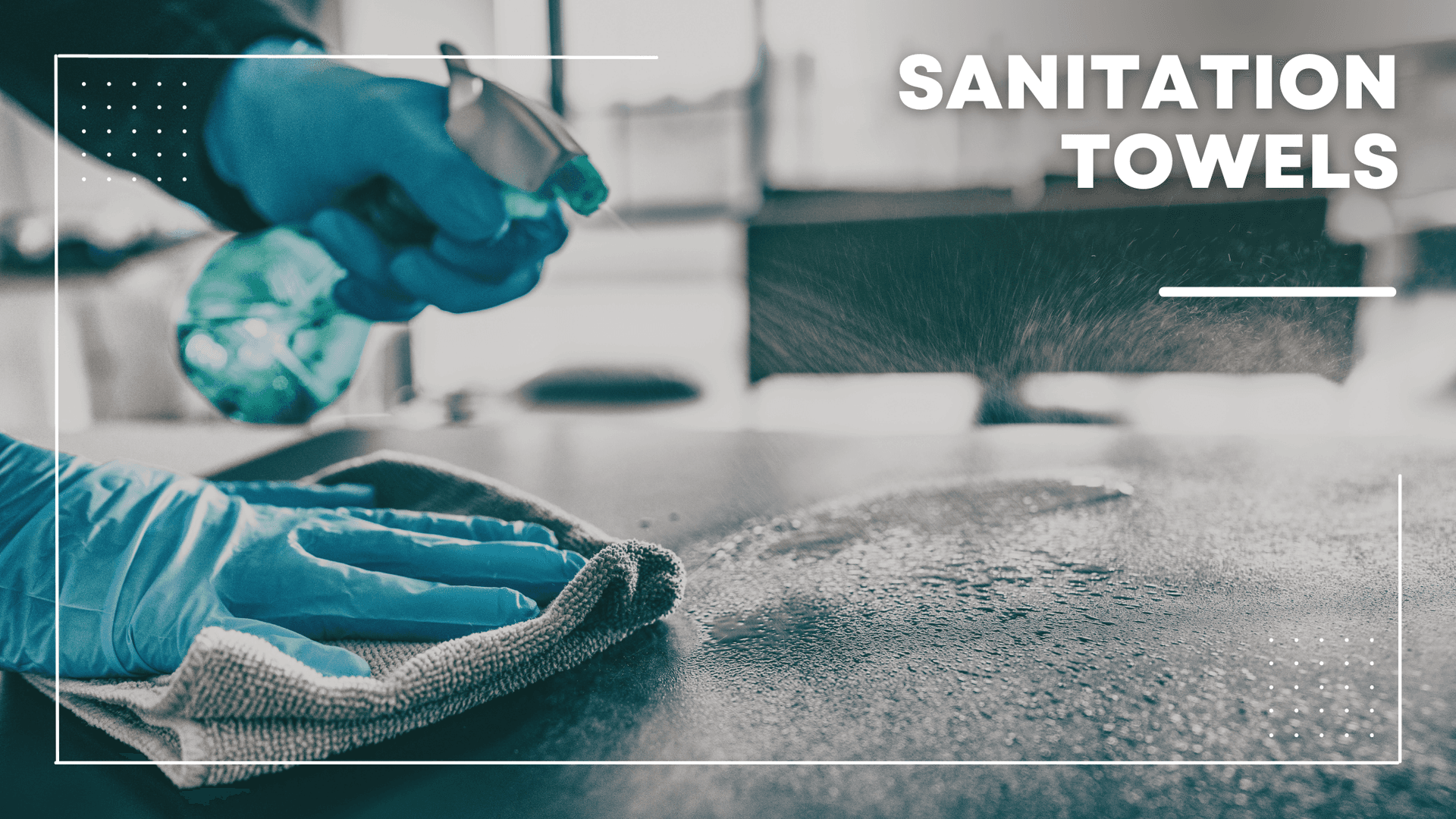
A sanitation towel is a dedicated reusable towel engineered for hygiene critical environments. Unlike a basic hand towel, it is made from 100% cotton with a dense weave that traps particles and dries quickly. In a hotel housekeeping cart, you need a towel that can handle being soaked in disinfectant and then wrung out repeatedly. A sanitation towel does that without fraying or losing absorbency.
Think about a salon or spa. Your stylists and therapists use towels to dry hands, protect client necks, and wipe down stations. One slip with a low quality towel can transfer bacteria from a previous client. A proper sanitation towel minimizes that risk. It holds up to the high heat and chemical exposure required by state health boards. Most commercial operations run their towels through a 30 minute cycle at 160°F (71°C) with a quaternary ammonium disinfectant. A cheap poly blend melts under those conditions. Cotton survives.
For restaurant buyers, sanitation towels are often the unsung heroes of the kitchen. They wipe down counters, handle hot pans, and dry hands after every glove change. The CDC recommends using disposable or reusable towels that are laundered after each shift. Thats where a 100% cotton sanitation towel excels. It can go through 50 to 75 wash cycles before you retire it. At a volume of 200 towels per order, you get months of reliable service.
Why 100% Cotton Delivers the Best Results for Sanitation Towels
Cotton is the gold standard for sanitation towels because of its natural absorbency and breathability. A typical 300 GSM 100% cotton bar towel can hold up to seven times its weight in water. That matters when you are drying a wet counter or wiping sweat off gym equipment. Blends with polyester might feel soft at first, but they repel moisture after a few washes. They also trap odors and bacteria in the synthetic fibers. Cotton does not do that.
Temperature tolerance is another reason we stick with cotton. A sanitation towel must be washed at 160°F (71°C) to kill pathogens like MRSA and norovirus. Cotton handles those temperatures without shrinking more than 3 to 5% after the first wash. Polyester blends degrade, and microfiber towels can lose their electrostatic charge after 10 hot water cycles. Cotton keeps its structure. When you buy 500 towels for a chain of hotels, you want every single one to perform the same way after 20 washes as it did on day one.
There is also an environmental angle. Many of our B2B clients now require sustainability certifications. A 100% cotton sanitation towel is biodegradable and can be composted at the end of its life. Blended towels end up in landfills for decades. If your facility follows EPA guidelines for reducing waste, cotton towels fit the bill. And because they last longer, you order less frequently. That means fewer shipping emissions and lower overall cost per use.
Best Practices for Laundering and Maintaining Sanitation Towels
Proper laundering is not optional. It is the difference between a clean towel and a contaminated one. Start by sorting used sanitation towels away from other linens. Cross contamination from tablecloths or bedding can introduce allergens. Wash at a minimum of 160°F (71°C) for at least 30 minutes with an EPA registered disinfectant. A commercial washer with a programmable cycle is best. Set your dryer to 180°F (82°C) to ensure no moisture remains. Bacteria thrive in damp fabric.
How many cycles can you expect? A high quality 100% cotton sanitation towel in the 300 to 400 GSM range will last through 50 to 75 industrial washes. After that, you will notice frayed edges or a drop in absorbency. Track your inventory with a simple color coding system. Use different towel colors for different zones. White for food prep, blue for bathroom cleaning, red for general wiping. That prevents accidental misuse. Replace towels as soon as they show signs of wear. A torn towel cannot provide a proper barrier.
Bleach is fine for white towels but avoid chlorine bleach on colored ones. It weakens the cotton fibers over time. Use oxygen bleach or hydrogen peroxide based sanitizers instead. These are effective against viruses and bacteria without degrading the fabric. Wash towels no more than 80% full to allow proper agitation. Overloading traps soil and reduces temperature consistency. If you operate a large facility, consider a dedicated towel laundry service or an on site industrial washer. The savings from extended towel life will offset the equipment cost within a year.
Meeting Health and Safety Regulations with Sanitation Towels
Health inspectors do not care about your bottom line. They care about cross contamination. Every hotel, salon, and restaurant must follow local and federal sanitation codes. In healthcare settings, the OSHA Bloodborne Pathogens standard requires that all reusable towels be laundered after each use. A sanitation towel that goes through a validated wash cycle meets that requirement. Keep a log of wash temperatures and chemical concentrations. Inspectors will ask for it.
For hospitality, check your state health department guidelines on linen reuse. Many states mandate that housekeeping use separate towels for bathroom surfaces and guest room mirrors. A 100% cotton sanitation towel can be color coded to match your system. White for bathroom fixtures, pastel for general cleaning. This eliminates the guesswork for your team. It also shows inspectors that you have a written protocol. At Towel Depot, we have supplied towels to hotels that passed surprise inspections because our towels held up to the required 160°F (71°C) wash without discoloration or shrinkage.
Restaurants face even stricter rules. The FDA Food Code states that wiping cloths used for raw animal products must be stored in a sanitizer solution and laundered daily. A sanitation towel that sinks in quat solution and releases liquid when wrung is perfect. Cotton absorbs quat and holds it against the surface for the required contact time. Polyester and microfiber do not hold the same volume of solution. That can lead to under sanitized counters. Choose the right towel and your kitchen manager will thank you.
How to Choose the Right Size and GSM for Your Sanitation Towels
There is no one size fits all sanitation towel. It depends on your application. For hotels, a 14x17 inch terry bar towel at 400 GSM works well for housekeeping caddies. It is thick enough to handle liquid spills but small enough to fit in a laundry bag. For salons, a 17x20 inch ribbed bar towel at 300 GSM gives you the surface area to fold around a client’s neck without bulk. Gyms often prefer a 16x28 inch rolled towel at 350 GSM for easy dispensing.
GSM stands for grams per square meter. It measures fabric density. A 300 GSM towel is lighter and dries faster. A 400 GSM towel is plush and more absorbent but takes longer to dry. For sanitation purposes, stick with 300 to 400 GSM. Below 300 GSM feels flimsy and wears out in 30 washes. Above 400 GSM is overkill for surface wiping and increases your laundry energy costs. We recommend starting with 350 GSM as a middle ground. It gives you good absorbency, fast drying, and a lifespan of 60 washes.
Bulk buyers should order a sample pack first. Test the towel in your actual environment. Run it through your washer and dryer. Check for lint shedding and shrinkage. A well made 100% cotton sanitation towel will shrink only 3 to 5% after the first hot water wash. After that it stays stable. If you see more than 5% shrinkage, the towel has poor construction. Look for double stitched hems and tight terry loops. That prevents unraveling. Visit our wholesale bath towels page to browse our inventory of sanitation grade towels. For lighter duty applications, you might also consider our wholesale beach towels but note they have a lower GSM and are not recommended for pathogen heavy environments. And for large hotel chains, we offer custom branding on our wholesale hotel towels line. Each option is backed by our 20 years of experience.