
What is Surgical Huck Rags | Reclaimed Huck Rags
In this guide:
- What makes surgical huck rags different from other towels?
- New vs reclaimed huck rags: which should you buy?
- What are the key specifications of huck rags?
- How many washes can a huck rag survive?
- Are reclaimed huck rags safe and sanitary?
- Frequently asked questions
Surgical huck rags are a workhorse in commercial cleaning and light medical use. For B2B buyers in hotels, salons, gyms, and restaurants, they offer a low lint, high absorbency solution that outlasts standard terry rags. Understanding what makes them different and whether reclaimed versions fit your operation can save money and improve results.
Surgical huck rags are durable, low lint cotton towels made with a huckaback weave. Reclaimed versions are reprocessed hospital linens that offer savings of 30 to 50 percent without sacrificing performance or safety when properly handled.
What makes surgical huck rags different from other towels?
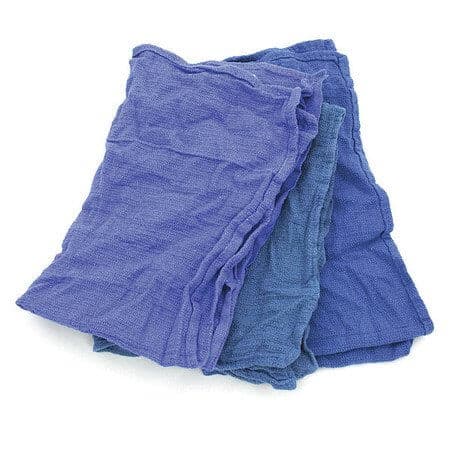
The huckaback weave is the defining feature. Standard terry cloth towels use loops that snag on rough surfaces and shed lint. The huckaback weave uses a flat, herringbone style pattern that traps fibers inside the fabric. This makes surgical huck rags almost lint free. They are ideal for cleaning surfaces like glass, stainless steel, mirrors, and surgical instruments where even a small fiber can cause problems.
Weight is another major difference. A typical surgical huck rag weighs between 250 and 300 grams per square meter (GSM). That is heavier than a standard guest towel but lighter than a bath towel. A 13 by 20 inch rag weighs about 3 ounces. A common bar mop of the same size may weigh only 2 ounces. That extra ounce of cotton per rag means more absorbency and longer service life. In practical terms, a single huck rag can replace two or three bar mops for a given cleaning job.
Absorbency rates confirm the difference. New surgical huck rags can absorb up to seven times their weight in water. A 250 GSM rag can hold about 1.75 liters of fluid. That is much higher than a typical cotton shop towel. For window washers and auto detailers, this means fewer towels per job and less time wringing out rags. For housekeeping managers, it means faster drying of surfaces and less water spotting. The huckaback weave also dries faster than terry because the flat structure allows more airflow. This reduces mildew risk in damp storage areas.
New vs reclaimed huck rags: which should you buy?
New surgical huck rags are made from virgin cotton and never used before. They come in bright white or pastel colors. They have no stains, no weak spots, and a uniform size. The price per rag is higher, but you get consistent performance. New huck rags are your best bet when appearance matters, such as in upscale hotel spas or fine dining restaurants where linens are visible to guests.
Reclaimed huck rags are hospital linens that were originally used for surgery or patient care. After use, they are sent to industrial laundries that specialize in reprocessing. These laundries wash the rags at 180 degrees Fahrenheit (82 degrees Celsius) with strong detergents and sanitizers. They remove stains, loose threads, and damaged items. The surviving rags are graded by quality: first grade, second grade, and rag grade. First grade rags have minimal staining and no holes. Second grade may have light stains or slight wear. Rag grade has more imperfections but is still usable for heavy duty cleaning.
The biggest factor in your choice is cost and application. If you are cleaning grease traps, machinery, or auto body shops, reclaimed rags give you the same absorbency at a fraction of the price. At Towel Depot, we see reclaimed huck rags cost 30 to 50 percent less than new ones. For a buyer ordering 500 units every quarter, that savings adds up to thousands of dollars per year. For applications where a clean white rag is required, such as in kitchens inspected by health departments, new huck rags may be safer from a compliance standpoint. Check with your local health authority on acceptable reuse fabrics. The Occupational Safety and Health Administration has guidelines on reusable cleaning cloths in industrial settings.
What are the key specifications of huck rags?
Standard surgical huck rags measure 13 by 20 inches, plus or minus half an inch due to shrinkage. Other common sizes are 13 by 29 inches and 18 by 27 inches. The weight range is typically 250 to 300 GSM. For reference, a 250 GSM rag in 13 by 20 size weighs roughly 3 ounces. That weight gives the fabric a sturdy, almost canvas like feel. It holds its shape after many washes and resists tearing when pulled tight over corners or edges.
Absorbency is the key metric. Independent lab tests show that new huck rags can hold 6.5 to 7 times their dry weight in water. Reclaimed rags, after multiple wash cycles, drop to about 5 to 6 times their weight. That is still higher than most shop towels. A typical cotton shop towel absorbs about 4 times its weight. So a reclaimed huck rag still outperforms new shop towels. For a hotel housekeeping manager, this means fewer rags needed per room. You can stock less inventory and reduce laundry loads.
Lint generation is another specification. The huckaback weave produces less than 2 milligrams of lint per square meter when tested by standard methods. Compare that to terry cloth which can shed 10 to 15 milligrams per square meter. For a salon owner cleaning mirrors and countertops between clients, low lint means less rework and fewer complaints from customers. The weave also resists pilling. Even after 50 wash cycles, the surface remains smooth. This is why many cleaning professionals consider huck rags the most durable wiping option available. You can buy wholesale bath towels for guest bathrooms, but for cleaning tasks huck rags last longer.
How many washes can a huck rag survive?
A high quality surgical huck rag can survive 75 to 100 commercial wash cycles before it becomes unusable. That is more than double the lifespan of a typical bar mop, which often falls apart after 30 to 40 washes. The huckaback weave holds together because the flat structure does not trap lint and debris that can weaken the cotton fibers over time. The cotton used in medical grade huck rags is long staple cotton, which has longer fibers and resists breakage better than short staple cotton used in cheaper towels.
Wash temperature matters. Most commercial laundries wash huck rags at 160 to 180 degrees Fahrenheit (71 to 82 degrees Celsius). At these temperatures, the cotton fibers swell and can break down faster if the detergent is too harsh. Use a neutral pH detergent and avoid chlorine bleach if possible. Oxygen bleach is gentler and still sanitizes. Drying temperature also affects lifespan. High heat above 190 degrees Fahrenheit (88 degrees Celsius) can scorch the fabric and cause brittleness. Low heat or tumble dry at 140 degrees Fahrenheit (60 degrees Celsius) is best. A good rule of thumb: if you can hold the rag after drying without discomfort, the temperature is safe.
Reclaimed huck rags start with some wear already, so they last fewer cycles. Expect 40 to 60 washes from a first grade reclaimed rag. Second grade may give 30 to 50 washes. That is still respectable. For a restaurant that cleans up after each meal service, a reclaimed rag will last three to four months under daily use. Compare that to disposable wipes which are used once and cost more per use over the same period. The savings add up quickly. For bulk orders, you can also explore wholesale beach towels for seasonal needs, but for durable cleaning rags huck products are the workhorses.
Are reclaimed huck rags safe and sanitary?
Yes, when processed correctly. The key is the reprocessing method used by the industrial laundry. Legitimate reclaimers follow standards similar to healthcare linen processing. They wash at 180 degrees Fahrenheit (82 degrees Celsius) for a minimum of 10 minutes with a disinfecting detergent. The water pH is maintained between 10 and 11 during the wash cycle. After washing, the rags are dried at 200 degrees Fahrenheit (93 degrees Celsius) for at least 15 minutes. These conditions kill bacteria, viruses, and fungi. The Centers for Disease Control and Prevention has guidelines on reusable textiles that apply here. The final rags have bacterial counts lower than those found on new textiles.
We also recommend inspecting the rags when you receive them. First grade reclaimed huck rags should be clean to the eye, free of holes, and have no odor. If you smell bleach or chemicals, the laundry may have used excess sanitizer. That is not harmful but can irritate skin. Give the rags an extra rinse in your own laundry before use. Odor usually washes out after one cycle. Second grade rags may have slight discoloration from previous stains. That is cosmetic only. The fabric is still sanitized and absorbent.
For food service operations, some health departments require that rags used on food contact surfaces be either new single use or processed through a commercial laundry that meets specific standards. Check your local regulations. The Environmental Protection Agency also has guidelines on managing reusable cleaning cloths in commercial settings. When in doubt, use new huck rags for food prep areas and reclaimed for general cleaning. Many of our clients run both tracks. It keeps costs down and maintains compliance. For more on washing and storage, see our page on healthcare linens which covers similar topics for medical environments.