
The Importance of Chef Coats in the Hospitality Industry
In this guide:
- Why chef coats build a professional image for your restaurant
- How chef coats protect against kitchen hazards and bacteria
- Choosing the right fabric weight and GSM for bulk orders
- Getting the right fit for your kitchen staff
- Laundering chef coats to maximize their lifespan
- Frequently asked questions about chef coats
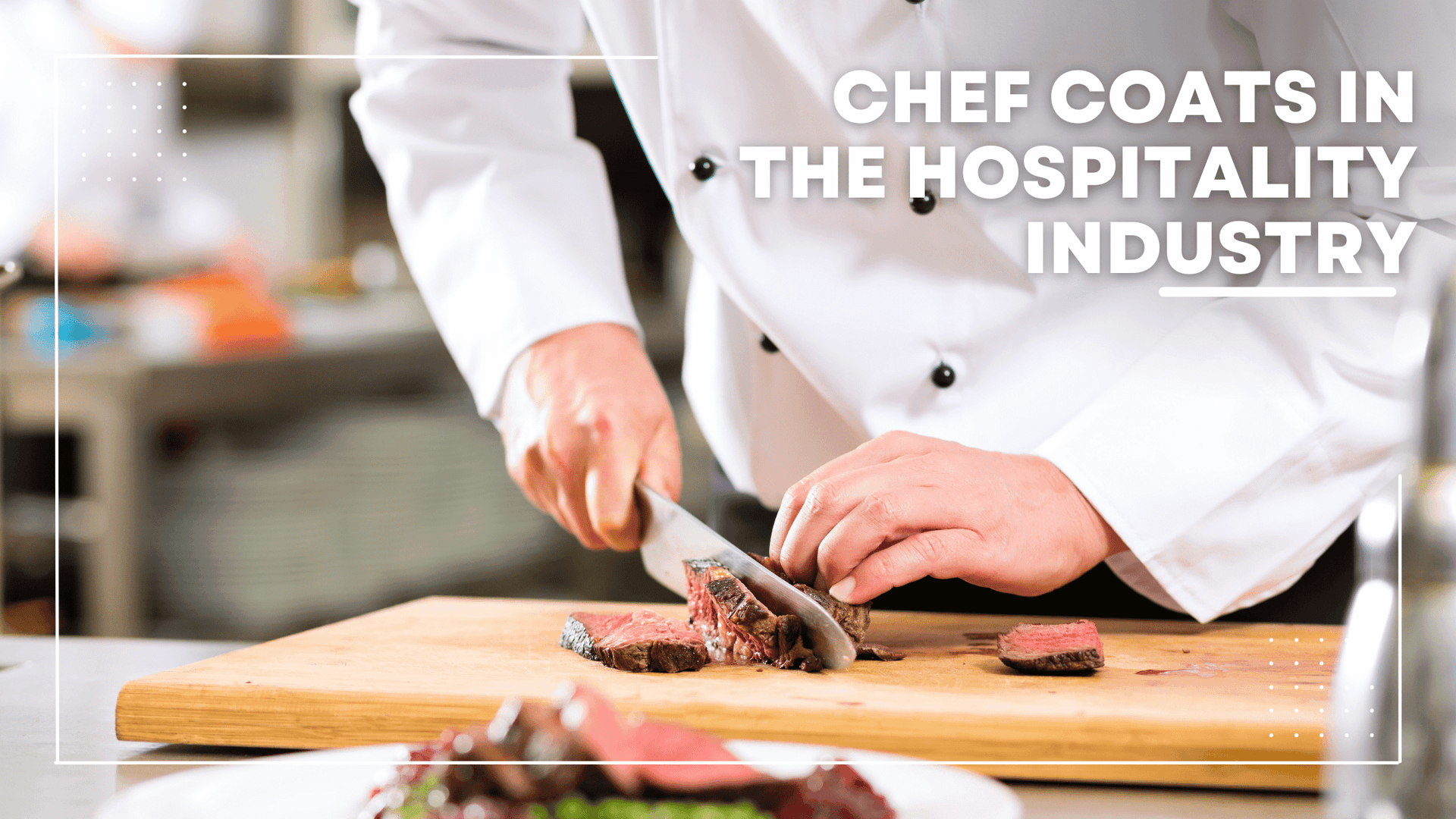
Chef coats are the backbone of professional kitchen dress. For B2B buyers ordering 100 to 500 units at a time, choosing the right chef coat means better staff safety, a cleaner kitchen, and a stronger brand image for your hospitality business. This guide covers everything you need to know about sourcing chef coats that last.
Chef coats are not just uniforms. They are safety gear, sanitation tools, and brand ambassadors. Buy fire resistant fabrics in 200 to 250 GSM with reinforced seams to get 100+ wash cycles and real protection against burns and bacteria. Towel Depot has supplied the industry since 1967.
Why chef coats build a professional image for your restaurant
Your customers see the kitchen. Many restaurants now have open kitchens where diners watch the cooking process. The chef coat is the first thing they notice. A clean, crisp coat signals competence and hygiene. It tells the customer that the people handling their food take their work seriously. That impression sticks and drives repeat business.
Chef coats have a long history. They date back to the 19th century and were designed to be practical and symbolic. The double breasted front hides stains and can be swapped quickly if one side gets dirty. The tall hat, or toque, shows rank. For your staff, wearing a proper chef coat instills pride and discipline. It reminds them they are professionals, not just cooks. This attitude reduces mistakes and improves teamwork.
For a hotel or restaurant chain, consistency matters. When every chef wears the same quality coat from the same supplier, your brand looks unified. Towel Depot offers custom embroidery options so you can add your logo. This turns a simple coat into a walking advertisement. Your staff become brand representatives every time they step into the dining area or walk through the lobby. Buyers ordering in bulk get consistent sizing and color across all units, which is critical for maintaining a polished appearance.
How chef coats protect against kitchen hazards and bacteria
Kitchens are dangerous. Hot oil splatters at 375°F (190°C). Oven racks reach 500°F (260°C). A cotton chef coat treated with fire resistant chemicals can protect against flash burns. The fabric self extinguishes when the flame source is removed. This is not a luxury. It is a requirement from OSHA and many local health departments. Look for coats that meet ASTM F1506 or NFPA 70E standards. These standards guarantee the fabric will not melt or drip onto the skin.
Sanitation is another critical function. Chef coats are laundered at high temperatures, usually above 160°F (71°C), to kill bacteria like Salmonella and E. coli. Regular cotton shirts cannot handle that heat. They shrink and fade. Professional chef coats are pre shrunk and designed for industrial washing. The tight weave also prevents food debris from embedding in the fabric. This reduces the risk of cross contamination between stations. A chef moving from raw meat prep to plating should change coats. But if the coat is properly designed, a quick wipe and a fresh outer layer can be enough.
Double breasted chef coats offer a built in solution. When the front layer gets soiled, the chef simply folds it over and buttons the other side. This keeps the visible area clean without a full change. It saves time and reduces linen consumption. For large facilities like hotel kitchens or cruise ship galleys, this feature can cut laundry volume by 20 percent. That translates into real savings on water, detergent, and labor.
Choosing the right fabric weight and GSM for bulk orders
Fabric weight is measured in grams per square meter (GSM). For chef coats in a commercial kitchen, the sweet spot is 200 to 250 GSM. This weight provides enough durability to withstand 100 wash cycles while remaining breathable. Lighter fabrics under 180 GSM wear out quickly. Seams unravel, collars curl, and the coat loses its shape. Heavier fabrics above 300 GSM offer more protection but trap heat. Kitchens are hot enough. Your staff will be more comfortable and productive in a mid weight coat.
Blend percentage matters too. A 65 percent polyester and 35 percent cotton blend is the industry standard. Polyester gives strength and wrinkle resistance. Cotton adds comfort and absorbency. All cotton coats shrink and require more ironing. Full polyester coats feel clammy and do not breathe. The 65/35 blend has been tested across thousands of kitchens. Towel Depot stocks this blend in multiple colors, including white, black, and navy. White is the classic choice because it shows dirt and forces staff to change frequently. This keeps the kitchen cleaner.
Reinforced seams are non negotiable for bulk orders. Look for double needle stitching at stress points like shoulders, armholes, and pockets. A chef coat that rips at the shoulder after 30 washes is a wasted investment. Towel Depot coats use reinforced seams and bar tacking at pocket corners. This adds about 20 percent more thread but doubles the lifespan. You pay a little more per unit but replace them half as often. That is a smart long term decision for any hospitality buyer.
Getting the right fit for your kitchen staff
Chef coats must fit well to be effective. A coat that is too loose can catch on pot handles or oven doors. A coat that is too tight restricts movement and makes the chef uncomfortable. When ordering bulk quantities, include a sizing range from XS to 4XL. About 60 percent of orders fall between M and 2XL, but every kitchen has outliers. Provide a sizing chart to your staff before placing the order. Have them measure chest and sleeve length. This prevents returns and ensures everyone gets a coat that works.
Adjustable features improve fit. Look for coats with two button front closures and adjustable cuffs. The two button system lets the chef choose a looser or tighter fit at the neck and waist. Adjustable cuffs with a button or snap keep sleeves from dragging in food. Elastic waist inserts are another plus. They give a tailored look without restricting movement. For kitchen staff who move between hot and cold areas, a coat that breathes and fits well reduces fatigue.
Consider the length of the coat. Standard chef coats fall below the hip. Longer coats, sometimes called kitchen coats, reach mid thigh. They offer more coverage and protect the chef's pants and apron. For restaurant buyers, long coats are better for high volume kitchens where staff are constantly bending and reaching. For front of house appearances, a shorter coat looks sharper. Towel Depot offers both styles. We recommend the longer coat for most B2B clients because it protects more of the body and wears longer.
Laundering chef coats to maximize their lifespan
How you wash chef coats directly affects how long they last. Industrial laundry machines should use water temperatures of 160°F (71°C) to sanitize. Detergent with enzymes removes protein based stains like egg and blood. Bleach should only be used on cotton blends and must be diluted. Polyester cotton blends can handle chlorine bleach in moderation, but overuse weakens the fibers. Limit bleach to every third wash. Use a sour rinse to neutralize pH and prevent yellowing.
Drying matters just as much. Tumble dry on medium heat, about 140°F (60°C). High heat shrinks the polyester component and damages the fire resistant finish. Remove coats while slightly damp and hang them to finish drying. This reduces wrinkles and extends the life of the fabric. Press with a steam iron at 300°F (150°C) if needed. Avoid direct contact with the iron on the fire resistant coating. That coating can last up to 50 washes if treated properly.
Track wash cycles. A good chef coat gives you 75 to 100 washes before it starts to fade or thin. Rotate inventory so no single coat gets used every day. For a kitchen with 20 staff, buy 30 coats. The extra 10 allow for laundering rotation and backup. Towel Depot recommends ordering 15 to 20 percent more than your staffing count. This protects against shortages during peak season. It also keeps your coats looking fresh longer. A coat that is washed every other day lasts twice as long as one washed daily.
For more information about professional chef coats and other hospitality linens, visit healthcare linens for similar sanitation standards, wholesale bath towels for your hotel spa needs, and wholesale beach towels for resort properties. External reference: OSHA Kitchen Safety Guidelines, CDC Food Safety, and EPA Safer Choice for Laundry Chemicals.