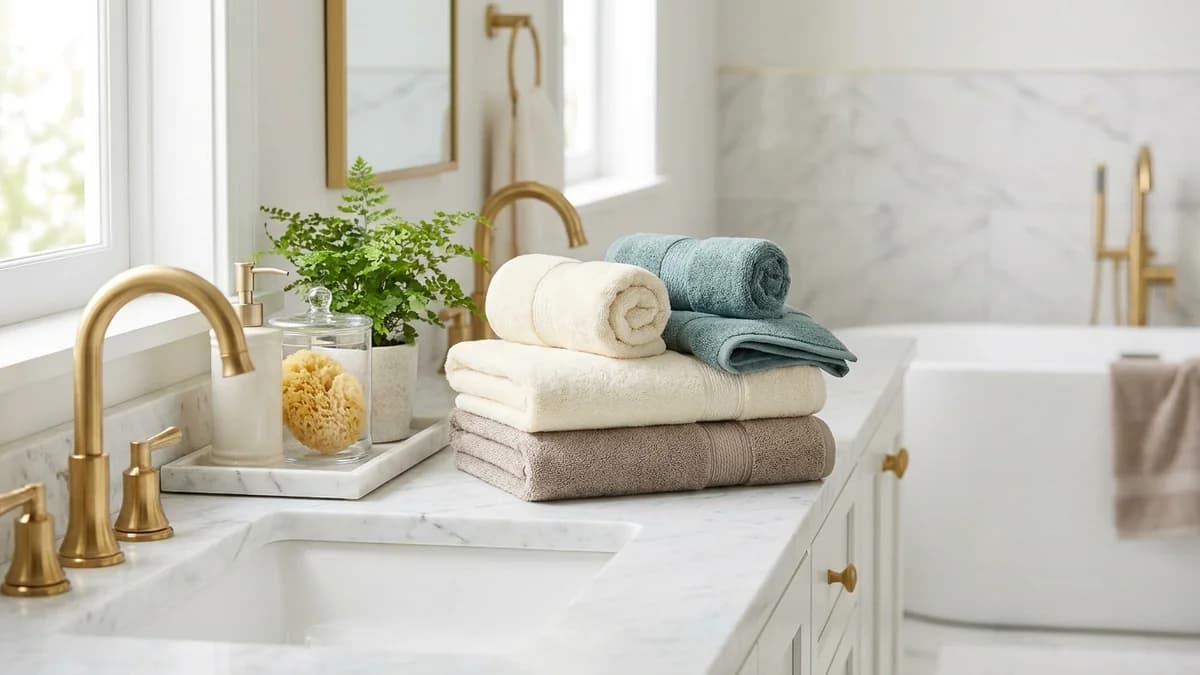

Premium Towels: Indulge in Ultimate Home Textile Luxury
In this guide:
- What GSM should I choose for premium towels in my hotel or spa?
- How many washes can a premium cotton towel withstand before losing quality?
- Are premium towels worth the higher upfront cost for a commercial business?
- What washing temperature should I use to maintain premium towel quality while killing bacteria?
- How do I verify that a supplier's premium towels meet industry standards?
- Frequently asked questions
Premium towels are not just for home luxury. They are a smart investment for hotel housekeeping managers, salon owners, spa operators, gym managers, and restaurant buyers who order 100 to 500 units at a time. The right towel saves money over time and keeps your guests coming back.
Premium towels with a GSM of 600 to 800 cost more upfront but last three to four times longer than budget towels. They also improve guest satisfaction and reduce replacement frequency.
What GSM should I choose for premium towels in my hotel or spa?
GSM stands for grams per square meter. It tells you the density of the towel. For luxury hotel guest rooms and spas, a GSM between 600 and 800 delivers the plush feel that guests notice. Towels at 700 GSM feel substantial and absorbent. They dry the body quickly after a bath. For gym or restaurant use, a GSM of 400 to 600 provides good absorbency while staying lightweight for faster drying in high turnover environments.
A towel at 400 GSM weighs roughly 0.6 pounds. A 700 GSM towel weighs about 1.1 pounds. That extra weight comes from more cotton loops pressed into each square foot. Those loops give the towel its ability to wick moisture away from skin. Our wholesale bath towels in the 600 to 700 GSM range are a popular choice for hotels because they balance luxury with practical drying time.
For beach club towels or poolside use, consider a GSM of 450 to 550. They dry faster in the sun and resist sand sticking to the loops. If you order wholesale beach towels, check the GSM label before you buy. A lower GSM towel will feel thin after 30 washes. A 500 GSM towel stays pliable for two seasons or more.
How many washes can a premium cotton towel withstand before losing quality?
Premium towels made from 100% combed cotton with a GSM of 650 or higher can survive 300 to 500 wash cycles before you see pilling or stiffness. That translates to three to four years of daily use in a hotel. Budget towels with a GSM under 400 often fail after 50 to 100 washes. The fibers break down faster. The towel loses its softness and becomes rough.
Wash temperature matters a lot. Washing at 140°F (60°C) removes oils and dirt without damaging the cotton structure. Higher temperatures above 160°F (71°C) stress the fibers and accelerate pilling. We recommend drying at medium heat, 125°F to 135°F (52°C to 57°C). Overdrying shrinks the towel and makes it feel stiff. A proper wash cycle in a commercial machine should last 30 to 40 minutes including a cold rinse.
You can extend the life of your towels by adding half a cup of white vinegar to the rinse cycle every fifth wash. The vinegar breaks down detergent buildup that makes towels feel scratchy. Avoid fabric softeners. They coat the cotton fibers and block absorbency. For a deeper understanding of towel care, the FTC textile labeling guidelines provide useful information on fiber content labeling.
Are premium towels worth the higher upfront cost for a commercial business?
Premium towels cost between $12 and $18 per unit. Budget towels cost $3 to $6. But here is the math. A $15 premium towel lasts three years with 300 washes. A $4 budget towel lasts eight months with 80 washes. Over three years you will replace that budget towel four and a half times. That adds up to $18 per towel. The premium towel saves you $3 per unit over three years. On a rotation of 200 towels, that is $600 in savings.
There are hidden costs with cheap towels. They look dull after twenty washes. Guests notice. A hotel with dingy towels gets lower reviews. One or two star deductions can cost you thousands in lost room revenue. Salons and spas face the same problem. A stylist using a rough towel on wet hair creates a negative first touch. Clients remember that sensation.
We supply wholesale hotel towels to properties that understand this value. A property with 150 guest rooms needs around 400 towels in rotation. Switching from budget to premium towels saves roughly $1,200 over the life cycle. And those premium towels keep their color and softness. The OSHA guidelines for commercial laundries also recommend using quality textiles to reduce lint buildup in dryer vents, a safety factor many buyers overlook.
What washing temperature should I use to maintain premium towel quality while killing bacteria?
Kill bacteria without ruining the towel. The minimum temperature for effective sanitation in a commercial laundry is 140°F (60°C). At this heat, the wash cycle kills most common pathogens including staph and E. coli within 10 minutes. Premium cotton handles 140°F without excessive shrinkage. You lose about 3% to 5% in length over the first three washes. That is normal.
Do not use chlorine bleach. It eats away the cotton fibers and turns white towels yellow after repeated use. Instead use oxygen based bleach or a hydrogen peroxide solution at a concentration of 100 ppm in the wash water. This is safe for colors and whites alike. For salons and spas, a sanitizing cycle at 150°F (66°C) for 15 minutes is recommended by the CDC hygiene guidelines for healthcare and personal services.
After washing, dry towels immediately. Do not let wet towels sit in the machine for more than 30 minutes. Bacteria can start growing again once the temperature drops below 120°F (49°C). A quick dry cycle at medium heat keeps the towel fibers open and fluffy. For gyms and restaurants where towels are used and washed daily, this process reduces odor build up and extends the towel life by up to 40% compared to improper drying.
How do I verify that a supplier's premium towels meet industry standards?
Ask for third party test reports. Reputable suppliers will share results from labs that follow ASTM or AATCC methods. These reports show fiber content, colorfastness, shrinkage rate, and pilling resistance. For example, an ASTM test for shrinkage should show less than 5% after 100 washes. A colorfastness rating of 4 or higher on a scale of 1 to 5 means the towel will not bleed during the first wash.
Check the GSM with your own scale. Weigh a dry towel on a calibrated scale. Measure its length and width in meters. Divide the weight in grams by the area in square meters. That number should match the supplier's claim within 5%. If the supplier claims 700 GSM but you measure 620 GSM, the towel will feel thinner and wear out faster. This is a common trick with budget suppliers who inflate GSM numbers on paper.
Look for suppliers that have been in the business for decades. Towel Depot started in 1967. We know how cotton behaves across seasons, climates, and wash cycles. Ask about the yarn count. A higher yarn count, around 40 to 50 single ply, means a finer twist that resists pilling. Avoid open end spun yarns used in cheap towels. They pill quickly. A supplier that cannot explain these details is probably not selling true premium towels.