
Pillow Fill Types: Down vs Synthetic vs Memory Foam
In this guide:
- How many wash cycles can a down pillow handle before losing loft?
- What is the cost difference between synthetic and down pillows for bulk orders?
- Is memory foam pillow safe for hotel fire codes?
- Can synthetic pillows be sanitized at high temperatures?
- What fill power should I choose for hotel guest pillows?
- Frequently asked questions
Choosing the right pillow fill types for your business is a real operational decision. It affects guest satisfaction, laundry costs, and replacement schedules. For B2B buyers ordering 100 to 500 units at a time, the choice between down, synthetic, and memory foam needs hard facts, not marketing claims.
Down offers the best durability and guest appeal but costs more and requires careful washing. Synthetic is budget friendly and easy to launder but wears out faster. Memory foam works for specialty pillows but cannot be machine washed.
How many wash cycles can a down pillow handle before losing loft?
Commercial laundry is brutal on pillows. A typical hotel runs pillows through a 60°C (140°F) wash cycle with industrial detergents every 90 to 120 days. Top quality down pillows with a fill power above 650 can survive 50 to 100 of these cycles before the loft drops by 30 percent. That translates to 3 to 5 years of service. Lower grade down with fill power under 500 may start collapsing after 30 washes. The feathers lose their natural crimp and clump together. You end up with a flat, lumpy pillow that guests complain about.
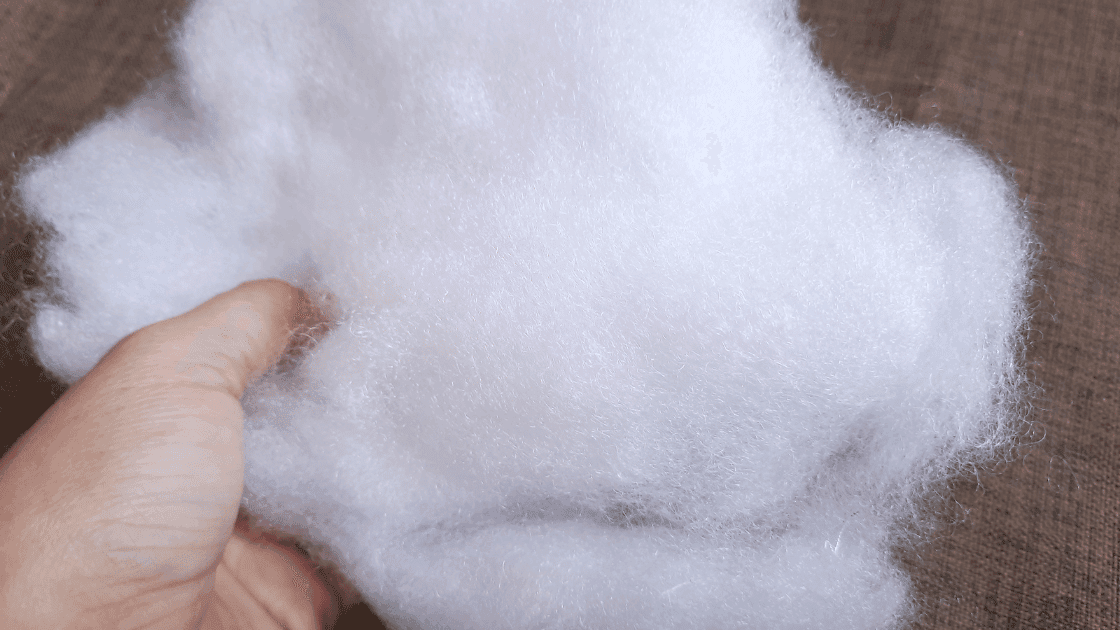
Synthetic pillows made from polyester fiber fill usually last 20 to 40 commercial wash cycles. After that the fibers mat down and the pillow loses its support. A 150 GSM synthetic pillow might feel plush out of the box but it can lose half its volume after 25 washes. The heat from drying at 70°C (158°F) accelerates fiber breakdown. Some manufacturers add silicone coatings to extend life, but even the best synthetic pillows rarely survive beyond 18 months in a hotel environment.
Memory foam pillows should never go through a commercial washing machine. The water and agitation destroy the foam cell structure. A memory foam pillow that gets wet in a wash cycle will hold water for days and develop mold inside. The foam density of 3 to 5 pounds per cubic foot makes it too heavy for standard extractors. Use a waterproof zippered protector and spot clean only. Replace memory foam pillows every 2 to 3 years depending on usage. For more laundry best practices, check the CDC guidelines on hotel bedding sanitation at CDC water hygiene.
What is the cost difference between synthetic and down pillows for bulk orders?
Price per unit drives many buying decisions. For a bulk order of 500 pillows, synthetic fiber fill runs USD 4 to 8 per unit. That is the low upfront cost. But consider the replacement frequency. A synthetic pillow that needs replacing every 12 to 18 months adds up. Over five years you buy 3 to 4 sets of synthetic pillows. Total cost for 500 pillows over 60 months: USD 6,000 to 16,000 depending on quality. That is without factoring in the labor cost of swapping and disposing of old pillows.
Down pillows cost USD 12 to 25 per unit for 500 piece orders at 600 to 700 fill power. That is two to three times the upfront price. Down pillows last 3 to 5 years. Over five years you buy one set, maybe a partial second set if you rotate stock. Total cost: USD 6,000 to 12,500. And down pillows command higher room rates. Guests perceive them as luxury. A hotel can add USD 5 to 10 per night for a room with down pillows. The payback period is under 12 months. For spas and salons, down pillows add a premium touch for massage tables and facial beds.
Memory foam pillows cost USD 8 to 15 per unit. They last 2 to 3 years. But you cannot wash them. You must replace any pillow that becomes stained or soiled. That increases waste and cost. For gyms and hostels where pillows get heavy use, synthetic is the most practical choice. For boutique hotels, down wins on guest satisfaction and lifecycle cost. Always ask your supplier for wash test data. A reputable wholesaler will provide ISO 12945 test results for pilling and ASTM D4776 for fiber fill durability. For fire safety standards relevant to bedding, refer to the CPSC business education page.
Is memory foam pillow safe for hotel fire codes?
Fire codes matter in commercial lodging. The California Technical Bulletin 117 2013 is the most common standard for upholstered furniture and pillows. It requires a pillow to resist open flame for 60 seconds and smolder for 45 minutes without igniting. Commercial grade memory foam pillows are manufactured with flame retardant additives that meet this standard. The foam itself is a viscoelastic polymer that burns slowly compared to polyester fiber. But not all memory foam is the same. Some imports skip the flame retardant treatment to cut costs. You must request a certificate of compliance from each batch.
Down pillows also need fire resistant barriers. A standard down proof cotton cover will not pass Cal 117. The ticking must incorporate a fire retardant layer or a blended fabric like polyester cotton with FR treatment. Many hotel chains require pillows to meet both Cal 117 and the federal 16 CFR Part 1632 standard for mattress flammability. The pillow cover should have a label showing compliance. For synthetic pillows, the fiber fill itself can be treated with flame retardant chemicals. But the treatment can wash out over time. After 20 commercial launderings a polyester pillow may lose its FR properties. Check with your laundry chemical supplier about quaternary ammonium based flame retardant refreshers.
Memory foam pillows are heavy. A standard queen size memory foam pillow weighs 3 to 5 pounds. That adds shipping cost and storage space. But they do not compress well for bulk storage. They also trap body heat. Some hotels address this with gel infused or ventilated foams that reduce heat retention by 15 to 20 percent. If you buy memory foam for spa use, look for density of 4 pounds per cubic foot minimum. It will hold up better under repeated use on massage tables. And always use a waterproof protector rated for 100 plus wash cycles. For more on fire safety standards in hospitality, see OSHA hazard recognition. You can pair these pillows with our wholesale bath towels for a complete guest room package.
Can synthetic pillows be sanitized at high temperatures?
Yes. Synthetic pillows made from 100 percent polyester can tolerate wash temperatures up to 75°C (167°F). This temperature kills dust mites, bacteria, and viruses in under 10 minutes. Commercial laundry often uses a 10 minute dwell at 71°C (160°F) for sanitation. Drying at 70°C (158°F) for 20 minutes completes the process. Polyester fibers do not absorb much water. They dry fast. A high spin extractor at 400 G force can reduce moisture to 40 percent. That cuts drying time and energy costs. For hostels and gyms that need quick turnaround, synthetic pillows are the clear choice.
Down pillows cannot take the same heat. The feathers and down clusters contain natural oils. High heat above 60°C (140°F) degrades those oils. The feathers become brittle and lose loft. The recommended wash temperature for down is 40°C (104°F) to 50°C (122°F). Drying at 50°C (122°F) max. At lower temperatures you need longer drying times and lower sanitization efficacy. Some hotels add a chemical sanitizer like hydrogen peroxide based products to compensate. But these can damage down over time. The best approach is to alternate synthetic pillows in high turnover areas and down pillows in luxury suites where laundry frequency is lower.
Memory foam is not washable at any temperature. The only option is spot cleaning with a mild detergent and cold water. The foam retains moisture and can grow mold. Mold remediation in memory foam is nearly impossible. A host of state health departments, such as the CDC guidance for lodging, recommends replacing any pillow that shows visible stains or moisture damage. For commercial buyers the practical choice is to buy pillows that can withstand high temperature laundering. That means synthetic or down with proper care protocols. Do not forget to stock our wholesale beach towels for poolside and spa areas where pillows also get heavy use.
What fill power and GSM should I look for in bulk pillow orders?
Fill power is the standard measure for down quality. It measures how many cubic inches one ounce of down occupies. For hotel guest rooms, 550 to 700 fill power is the sweet spot. It offers good loft, support, and durability at a reasonable price. Luxury suites often use 700 to 800 fill power. That extra loft provides a cloud like feel. But fill power above 800 is overkill for commercial use. The cost jumps dramatically and the benefits diminish. For synthetic pillows, the metric is GSM grams per square meter. A 200 GSM synthetic pillow is soft and budget friendly. 300 GSM gives medium support. 400 GSM is firm. 500 GSM plus feels like down. Most hotels choose 300 to 400 GSM synthetic for standard rooms.
Memory foam density is measured in pounds per cubic foot. A density of 3 pounds per cubic foot is standard for budget pillows. 4 to 5 pounds per cubic foot is preferred for high end memory foam. The higher density foam lasts longer and resists sagging. But it also feels firmer. For side sleepers, a 4 pound density memory foam with a gusseted side wall provides better alignment. For back sleepers, a 3 pound density with a contoured shape works well. Always order samples and test them on different bed types. A 30 day trial period allows you to evaluate guest feedback before committing to bulk.
When ordering bulk pillows, ask for ASTM D5238 test results for synthetic fill resilience. This test measures how well fibers recover after compression. A result of 85 percent or higher indicates good performance. For down, request ASTM D4522 for fill power and ASTM D2970 for cleanliness. A clean down product will have an oxygen number under 10. That means low dust and allergens. Your supplier should also provide wash care instructions that match your laundry equipment. For a full hospitality linen package, combine your pillow order with our wholesale hotel towels to get consistent quality across all guest room textiles.