
Oshibori Towels: Japanese Hospitality Tradition Explained
In this guide:
- What is an oshibori towel and why is it used in Japanese hospitality?
- What materials and GSM weights are best for commercial oshibori towels?
- How should oshibori towels be laundered and sanitized properly?
- How many uses can a commercial oshibori towel withstand?
- What are the cost benefits of buying oshibori towels wholesale?
- Frequently asked questions about oshibori towels
Oshibori towels are a small but powerful tool for upgrading your customer experience. These rolled damp towels have been a hallmark of Japanese hospitality for centuries. For B2B buyers across hospitality, spa, salon, and gym operations, offering oshibori towels signals attention to detail and care. This guide covers everything you need to know to source, use, and care for them at scale.
Oshibori towels add a high end touch to any guest facing business. They cost as little as $0.50 per unit wholesale and withstand 75 to 100 washes with proper laundering. Use a GSM of 350 to 450 for the best balance of absorbency and drying speed.
What is an oshibori towel and why is it used in Japanese hospitality?
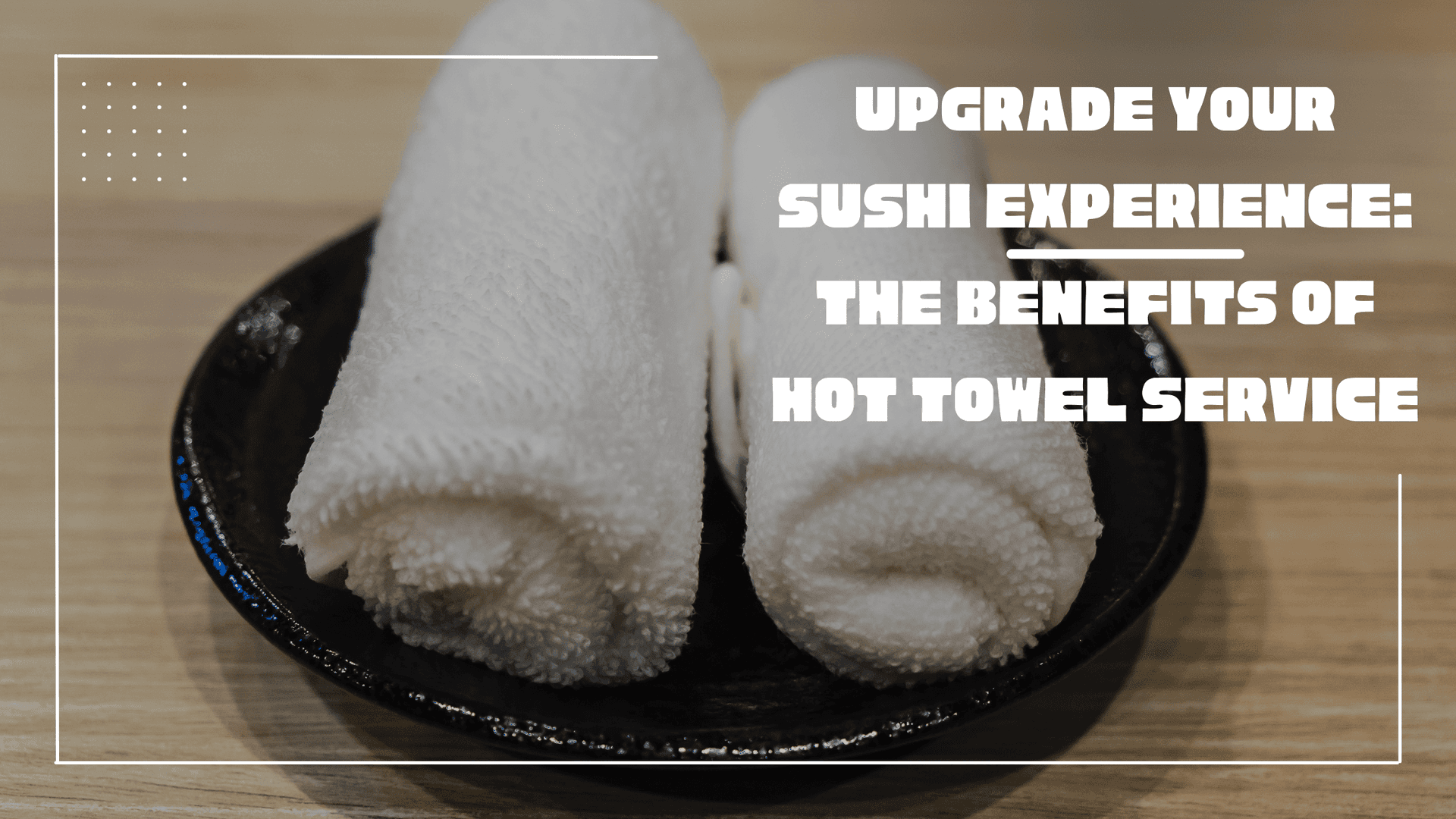
An oshibori towel is a small damp cloth served to guests before a meal or service. In Japan it is a standard part of omotenashi the countrys deeply rooted philosophy of hospitality. The towel is presented rolled or folded on a tray or directly on the table. Its purpose is to refresh the hands and face before eating or receiving a treatment. Hot towels are common in cooler months and cold towels in summer. Temperatures range from 140 to 160 degrees Fahrenheit (60 to 71 degrees Celsius) for hot versions and 50 to 60 degrees Fahrenheit (10 to 15 degrees Celsius) for cold ones.
The tradition dates back to the Edo period in the 1600s. Tea houses and inns began offering moistened cloths to travelers. The practice spread to restaurants, barbershops, and eventually to modern hotels and spas. Today it is a global symbol of quality service. In the United States many upscale restaurants and sushi bars serve oshibori towels as a standard amenity. Salons and spas use them between services to clean hands or remove product residue. Gyms offer them to members post workout as a cooling or warming cloth depending on the season.
For commercial buyers the towel is more than a nice gesture. It reduces the spread of germs by giving guests a clean towel to wipe hands instead of using a shared napkin or restroom paper towels. It also sets a tone of luxury without a large investment. A single oshibori towel can cost under a dollar when purchased in bulk. That small cost delivers a big impression of cleanliness and attention to detail. The CDC guidelines on disinfection support the use of single use or properly laundered cloths as part of a hygiene program.
What materials and GSM weights are best for commercial oshibori towels?
The two most common materials for oshibori towels are cotton and rayon. Cotton is the top choice for durability and absorbency. It handles repeated industrial washing better than rayon. Cotton towels have a natural softness that improves with each wash. Rayon towels are less expensive and dry faster. But they lose strength after about 50 washes. For high volume operations like restaurants and hotels cotton is the smarter investment. Spas and salons may prefer rayon for its smoother feel on the skin, especially when used cold.
GSM stands for grams per square meter. It measures fabric density. For oshibori towels a GSM between 350 and 450 is ideal. Weights below 300 GSM feel thin and do not hold enough moisture. They dry out quickly during service. Weights above 500 GSM are too heavy. They take longer to launder and dry, increasing your utility costs. A 400 GSM cotton towel holds about 1.5 times its own weight in water. That is enough for a single guest use without dripping. For cold towels in summer a slightly lighter 350 GSM is fine because the towel cools down faster.
Size matters too. Standard oshibori towels are 12 by 12 inches (30 by 30 cm) or 13 by 13 inches (33 by 33 cm). These dimensions fit standard towel warmers and dispensers. Some suppliers offer custom sizes for specific applications like spa wraps or gym towels. But for most businesses the 12 inch square is the workhorse. It folds neatly into a roll and fits on a plate or tray. When buying wholesale always request a sample to test absorbency and feel. The ISSA cleaning industry standards provide guidance on fabric quality for commercial textiles.
How should oshibori towels be laundered and sanitized properly?
Proper laundering is critical for oshibori towels. They are used by many different guests and can carry bacteria if not cleaned correctly. The minimum wash temperature for hot water sanitization is 160 degrees Fahrenheit (71 degrees Celsius) for at least 10 minutes. This meets the OSHA standard for sanitation in commercial facilities. If your washing machine cannot reach that temperature you must use a chemical sanitizer. Chlorine bleach at 50 to 100 parts per million or a quaternary ammonium compound at the manufacturers recommended concentration will work.
Use a neutral pH detergent to prevent fabric damage. High alkaline detergents weaken cotton fibers over time. Follow the wash cycle with a cold rinse to close the fibers and reduce wrinkling. Drying temperature should not exceed 180 degrees Fahrenheit (82 degrees Celsius) to avoid scorching. Tumble dry until the towel reaches a moisture content of about 5 percent. Over drying shrinks the fabric and increases wear. Most commercial oshibori towels shrink 3 to 5 percent in the first wash. That is normal. Plan for it by ordering slightly larger towels or accepting the slight reduction in size.
Separate oshibori towels from heavy soiled linens like kitchen rags or cleaning cloths. Cross contamination is a real risk. Use color coded laundry bins to keep them separate. If you serve both hot and cold towels sanitize them the same way. Temperature does not affect the cleaning process. For operations without an on site commercial laundry many buyers outsource to a professional linen service. That adds 0.10 to 0.25 per towel to the cost but eliminates the need for equipment and labor. Our healthcare linens page has more details on industrial laundering standards.
How many uses can a commercial oshibori towel withstand?
A high quality cotton oshibori towel will last 75 to 100 industrial wash cycles. After about 75 washes you will notice the GSM drop by approximately 15 percent. The edges may start to fray. Rayon towels typically last 50 to 75 washes before losing shape or developing holes. After 100 washes most cotton towels lose 20 percent of their original weight. The fibers become brittle. At that point the towel absorbs less water and feels rough. Replace towels when they no longer hold a roll shape or when surface fibers pill visible.
To maximize lifespan avoid using fabric softeners. Softeners coat the fibers and reduce absorbency. They also leave a residue that attracts dirt. Instead use a small amount of white vinegar in the rinse cycle once a month to remove mineral buildup. Hard water with high calcium or magnesium content cuts towel life by 15 to 20 percent. Water hardness above 150 parts per million requires a water softener. Towel condition degrades faster in hard water because mineral crystals embed in the fibers during drying.
Rotating your towel stock extends overall lifespan. Buy enough towels for three to five full rotations per week. For a restaurant that seats 100 guests per night order at least 500 towels. That gives you a cushion for lost or stained towels. Expect 2 to 5 percent annual loss from damage or disappearance. The ASTM D3900 standard for textile testing can help you verify fabric quality before purchase. Request test reports from your supplier to confirm tensile strength and abrasion resistance.
What are the cost benefits of buying oshibori towels wholesale?
Wholesale pricing for oshibori towels starts around $0.50 per unit for rayon and goes up to $1.50 per unit for premium cotton. A typical bulk order of 500 towels can reduce the per unit cost by 20 to 30 percent compared to ordering 100 towels. For example a 400 GSM cotton towel at $1.00 each for 100 units drops to $0.75 each for 500 units. That is a saving of $125 on the total order. If you use and replace 500 towels per year the savings pay for an extra 125 towels.
Beyond unit price bulk buying reduces shipping cost per towel. Freight charges for a single case of 100 towels may be $15. That adds $0.15 per towel. A pallet order of 5000 towels might cost $100 to ship, adding only $0.02 per towel. Over a years business that difference can add up to several hundred dollars. It also means fewer ordering cycles and less administrative work. One large order versus five small ones saves ordering time and invoice processing.
Buying wholesale also gives you access to custom branding options. Many suppliers offer logo embroidery or screen printing for orders of 500 or more. Branded oshibori towels turn a simple amenity into a marketing tool. Guests remember the logo. It reinforces your brand identity. For hotels and high end restaurants that is worth the extra cost of $0.10 to $0.30 per towel. Compare that to the cost of a branded matchbook or pen. A towel is used and kept. It provides value every time a guest touches it. For more options see our wholesale bath towels page which includes larger formats suitable for spa and gym use.