
Repurposing Ratty Old Bath Towels: 15 Innovative Ideas
In this guide:
- Best ROI repurposing ideas
- Sorting and processing for reuse
- Washing and sanitizing protocols
- When to retire and repurpose
- Use in food service and healthcare
- Frequently asked questions
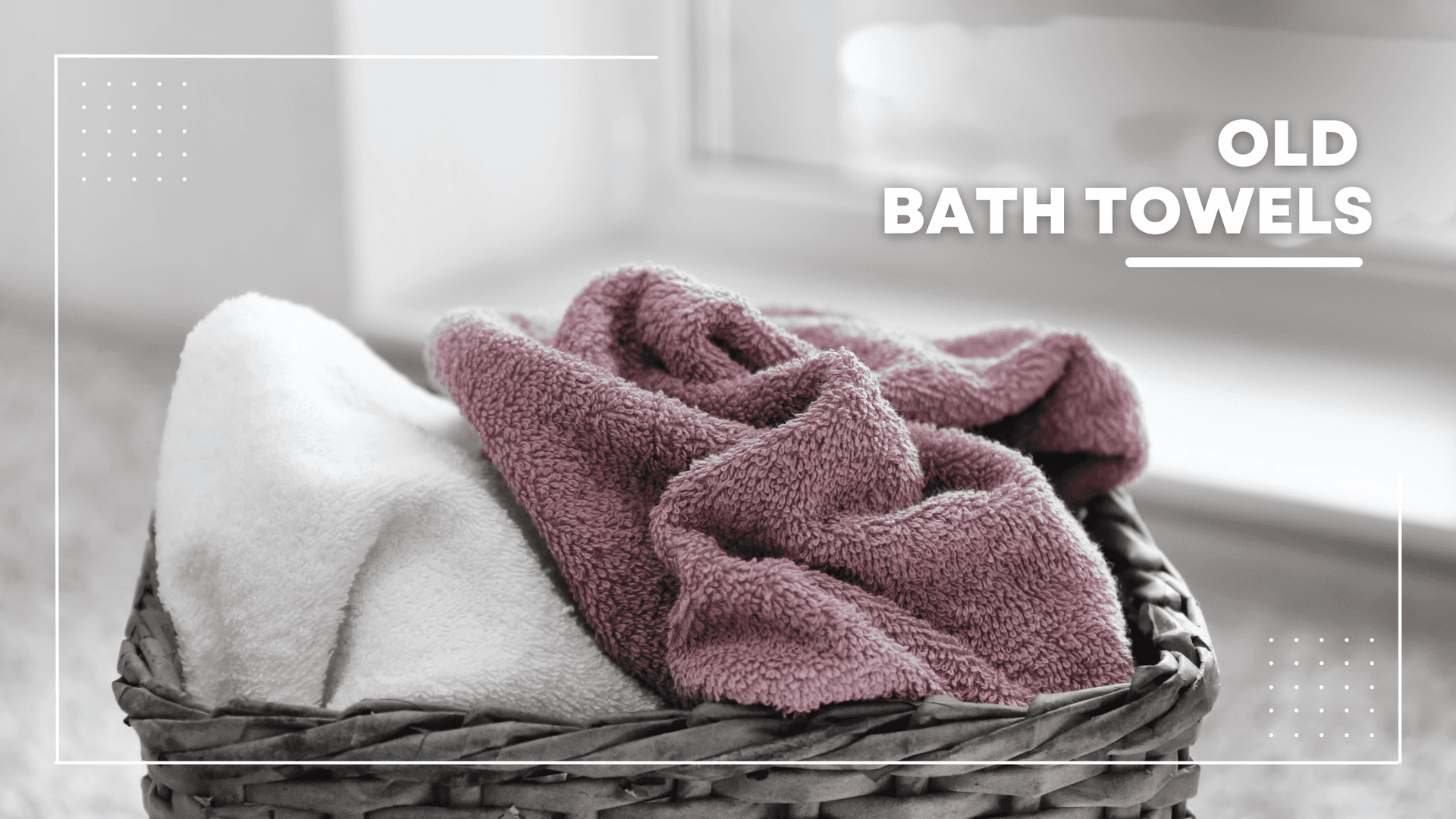
Repurposing old bath towels is a practical strategy for commercial buyers who manage linen inventories. Instead of discarding towels after they show wear, you can extend their useful life and cut supply costs. This guide covers fifteen tested ways to turn tatty towels into valuable tools for housekeeping, maintenance, and guest services.
Repurposing old bath towels saves money and reduces waste. Hotels, gyms, and spas can cut linen expenses by 20 to 30 percent by converting worn towels into cleaning rags, pet beds, and utility cloths.
Best ROI repurposing ideas for commercial buyers
Housekeeping managers looking for the highest return on investment should focus on converting old bath towels into cleaning rags. A standard 27x52 inch towel can produce ten to twelve 16x16 inch rags. Those rags replace disposable wipes that cost 10 to 15 cents each. Over a year a single hotel using 50 retired towels per month can save nearly $600 on cleaning supplies. This makes rag conversion the most profitable repurposing method.
Spa and salon owners can turn towels into hair wrap turbans or nail station mats. Cut a towel into a 12x12 inch square, hem the edges, and use it under manicure bowls to catch spills. With a GSM of 400 to 500 these squares absorb up to 1.5 liters of water before dripping. That is double the absorbency of paper towels. You can launder and reuse these mats 200 to 300 times before they break down.
Gym managers can sew old towels into padding for weight benches or yoga mats. Fold three layers of worn 600 GSM towels, stitch the edges, and you have a cushion that lasts through 500 workouts. The fabric holds its shape even after repeated exposure to sweat and disinfectant sprays. This reuse saves the cost of buying replacement gym pads which run $50 to $100 each. Check the CDC hygiene guidelines for cleaning frequency in fitness centers to ensure your repurposed items stay sanitary.
Sorting and processing for reuse
The first step in repurposing is sorting by condition and GSM. Towels that still have strong seams and no holes can become guest spa wraps or pool towels. Those with frayed edges but intact fabric work best as kitchen wiping cloths or janitorial rags. Towels with thin spots or large tears should go to garage and maintenance use. Create three bins in your laundry room labeled reuse, janitorial, and recycling.
Processing requires cutting off hemmed edges and loose threads. Use a rotary cutter and a straight edge to produce uniform rags. Standard size for commercial cleaning rags is 16x16 inches. You can cut a 27x52 towel into six 16x16 pieces plus four 10x10 pieces for spot cleaning. This maximizes material yield. For spa wraps cut the towel lengthwise into two 27x26 panels and hem the raw edges. The whole process takes 5 minutes per towel and extends its service life by 6 to 12 months.
Label repurposed items clearly. Use color coded stitching or tags to indicate they are not for guest use. Hotels often use blue rags for bathroom cleaning and green for kitchen areas. This prevents cross contamination. The OSHA laundry safety guidelines recommend separating soiled linens by category. Apply the same logic to repurposed towels so your staff knows what goes where.
Washing and sanitizing protocols for repurposed towels
Commercial laundry operators must wash repurposed towels at 160°F (71°C) for a minimum of 10 minutes to kill bacteria and mold spores. Use chlorine bleach at 150 ppm or an oxygen bleach alternative. A neutral pH detergent between 7.0 and 8.5 works best for cotton blends with 500 to 600 GSM. Higher alkalinity can weaken already worn fibers. Dry the towels on high heat at 180°F (82°C) for 45 minutes to ensure complete drying.
Run a separate wash cycle for towels that will be used in food service or healthcare. Those loads require a sanitizing step with quaternary ammonium compounds at 200 ppm. The wash temperature must reach 160°F (71°C) and hold for 15 minutes. After drying test absorbency by dropping a tablespoon of water on the fabric. If the water beads up for more than 5 seconds the towel has lost its wicking ability and should be retired from cleaning duty.
Track wash cycles with a simple log or laundry software. A 500 GSM towel typically lasts 300 to 400 commercial washes before it loses 30 percent absorbency. After that point it is best suited for oil or paint cleanup where absorbency is less critical. The EPA water reuse guidelines suggest using water efficient washers to minimize environmental impact when processing repurposed linens.
When to retire a towel from guest use and repurpose
Retire a towel when it shows visible fraying along the edges, thin spots in the center, or unravelling seams. Use a simple drop test to check absorbency. Place a 1 tablespoon water drop on the towel. If it takes more than 10 seconds to absorb the towel has lost its performance. For 600 GSM hotel towels this typically happens after 300 to 500 wash cycles at 140°F (60°C). Track cycles with a digital counter or manual log.
Commercial buyers should inspect towels every 50 washes. Look for pilling, color fading, and shrinkage beyond 5 percent of original dimensions. A towel that started at 27x52 inches should not shrink below 25x49 inches. If it does the fibers are breaking down. That towel is still useful for janitorial rags or pet bedding but not for guest facing uses. Do not repurpose towels that have been used with bleach or chemical cleaners for food contact surface wiping.
For spas and salons replace towels for guest use every 200 cycles or earlier if staining persists after washing. Stained towels can be downgraded to cleaning rags without dye conflict. Always cut off stained sections before reuse. This extends the life of the fabric and prevents transferring stains to clean surfaces. When you order wholesale bath towels from Towel Depot you get consistent GSM 600 ringspun cotton that lasts through standard commercial wash cycles.
Use of repurposed towels in food service and healthcare
Repurposed towels can be used in food service for non food contact cleaning. That includes wiping down exterior equipment, mopping floors, and drying hands in employee restrooms. Never use repurposed towels on cutting boards, countertops, or utensils that touch food. The fibers can trap bacteria even after washing. For healthcare environments use only towels that have been washed at 160°F (71°C) with 200 ppm quaternary ammonium sanitizer. Do not use towels with loose lint in operating rooms or sterile areas.
Nursing homes and assisted living facilities can repurpose old towels into incontinence pads. Fold a 600 GSM towel into four layers and stitch the edges. This creates a 13x13 inch pad that absorbs 500 milliliters of fluid. Replace pads after 50 wash cycles because the absorbent core loses effectiveness. Label each pad with a wash cycle count using fabric markers. This keeps staff informed and prevents using worn pads that leak.
Restaurant chains can turn run towels into aprons for dishwashing staff. Cut a towel into a 24x30 inch rectangle, add waist ties, and use it as a protective apron. The terry fabric absorbs splashes and can be washed at 180°F (82°C) with detergent and bleach. Replace aprons after 100 wash cycles or when the fabric shows burn marks from hot pans. For high volume buyers our hotel and hospitality linens are designed to withstand repeated industrial laundering. Use them for guest service and repurpose at the end of their lifespan.