
How can I remove nail polish from towels?
In this guide:
- Understanding Towel Composition: Why Material Matters for Stain Removal
- The Acetone Method: Step by Step for Salon Towels
- Alternative Solutions: When Acetone Is Not an Option
- Laundering After Treatment: Restoring Towel Quality and Lifespan
- Preventing Nail Polish Stains: Best Practices for Your Business
- Frequently Asked Questions
If you run a nail salon, hotel, spa, or gym, you know the sinking feeling when a client knocks over a bottle of vivid nail polish on your white towels. The good news is that a 100% cotton or cotton blend towel can often be saved with the right technique. This guide gives you a proven method that preserves your towel inventory and keeps your linen budget under control.
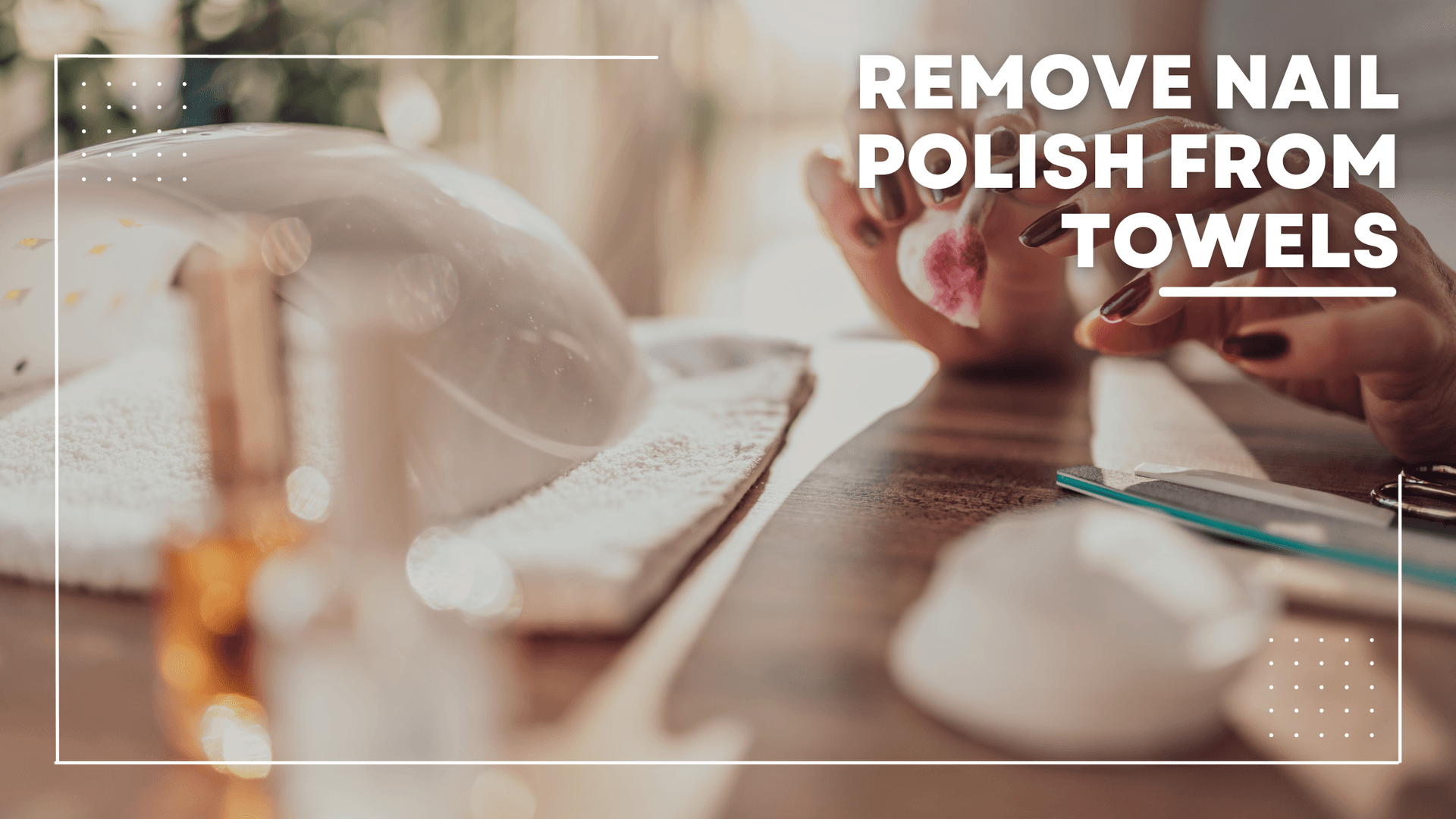
Blot wet polish immediately, then place the towel stain side down on clean paper towels. Apply acetone to the back of the stain and press repeatedly until the color transfers to the paper underneath. Wash in warm water and dry on low heat.
Understanding Towel Composition: Why Material Matters for Stain Removal
Before you reach for any solvent, check the fiber content of the stained towel. Acetone can dissolve acetate fibers and damage nylon or acrylic. A towel made of 100% cotton, a cotton polyester blend with no more than 40% synthetic fiber, or a non acetate textile like linen is safe to treat. Look at the sewn tag. If it says acetate or triacetate, do not use acetone. Take that towel to a professional dry cleaner instead.
The towel's GSM, or grams per square meter, also affects the removal process. Lightweight towels under 400 GSM absorb less polish but also let acetone pass through faster. Heavy towels of 500 to 600 GSM, often used in hotels and salons, hold more liquid and require more dwell time. You need to saturate the back of the stain with enough acetone that it reaches the front side. That can take 10 to 15 milliliters of solvent per stain. For a bulk batch of stained towels, group them by GSM and treat the heaviest ones last so they get extra time.
Polyester in blended towels can be a game changer. The fibers do not absorb nail polish easily, which means the stain sits on the surface. A quick blot followed by an acetone press usually lifts the color completely. But if the blend has more than 40% polyester, the acetone may cause the synthetic fibers to swell and trap the pigment deeper. Test a hidden corner first. Wait 10 minutes and look for discoloration or rough texture. If the towel passes, proceed. If not, switch to a non acetone remover or a dry solvent like isopropyl alcohol. Always document the test results so your staff can follow the same protocol.
The Acetone Method: Step by Step for Salon Towels
Start by laying the stained towel on a clean, flat surface. Gently blot any wet polish with a paper towel, a cotton swab, or a cotton ball. Do not rub. Rubbing forces the pigment deeper into the twisted cotton fibers. Work from the outside of the stain toward the center. Once the surface liquid is gone, flip the towel so the stain faces down on a fresh stack of paper towels. This setup is critical. The acetone will push the pigment downward out of the towel instead of spreading it around.
Soak a clean paper towel with pure acetone, not a moisturizing remover. Place it against the back side of the stain, directly behind the colored area. Press firmly with your fingers for 30 seconds. Lift the paper towel and check the bottom stack. You should see color bleeding onto the paper towels below. Replace the stained paper towels with fresh ones and repeat. Keep applying fresh acetone soaked paper towels and pressing for another 2 to 3 minutes. On a fresh stain this process works in 3 to 5 minutes. On a dried stain, let the acetone sit on the back for 60 seconds before pressing. Repeat until no more color transfers.
Work in a well ventilated area. Acetone fumes are flammable and can cause dizziness. The Occupational Safety and Health Administration (OSHA) recommends keeping acetone concentrations below 250 parts per million. Open a window or use a fan. Wear nitrile gloves to protect your hands. After the stain is gone, rinse the towel under cold running water for 30 seconds to remove residual acetone. Then launder as soon as possible. Do not let acetone dry into the towel; it can weaken the fibers over repeated exposure. For high volume salons, designate one treatment station with proper acetone safety guidelines posted nearby.
Alternative Solutions: When Acetone Is Not an Option
Not every towel can handle acetone. Synthetic blends, delicates, or towels with printed patterns may react badly. In those cases use a non acetone nail polish remover containing ethyl acetate. It takes longer and requires more scrubbing, but it is gentler on fibers. Apply the remover to a cotton ball and dab the stain from the back. Change the cotton ball as soon as it picks up color. Expect 8 to 10 minutes of work for a quarter size stain. For larger spills, soak the stained area in a bowl of non acetone remover for 5 minutes, then press between paper towels.
Some commercial stain removers claim to lift nail polish without acetone. Look for one with propylene glycol or glycerin as the active solvent. Test it on a hidden seam first. If the towel's color bleeds or the texture changes, stop. An extreme alternative is freezing. Place the towel in a sealed plastic bag and put it in a freezer at 0°F ( 18°C) for 2 hours. The frozen polish becomes brittle and can be scraped off with a blunt knife. This method works best for thick gel polish on heavy 550 GSM towels. It leaves a faint stain that usually comes out in a hot wash at 140°F (60°C) with an oxygen bleach.
Use isopropyl alcohol at 99% concentration as a last resort. It works well on cotton but can dry out and stiffen the fibers. Apply it the same way as acetone but press for 45 seconds instead of 30. The alcohol evaporates fast, so you need to work quickly. After treatment, condition the towel with a fabric softener in the rinse cycle to restore softness. Never use hydrogen peroxide or bug spray. Both can bleach colors and leave permanent yellow spots on wholesale bath towels. Stick to solvents that are designed for cosmetics or textiles.
Laundering After Treatment: Restoring Towel Quality and Lifespan
Once the visible stain is gone, wash the towel immediately. Washing too late can let any remaining solvent react with the fibers and create a permanent shadow. Use warm water at 90°F (32°C) with a heavy duty detergent that contains surfactants. Avoid hot water above 120°F (49°C) because it can set leftover dye. Add a cup of white vinegar to the rinse cycle. Acetic acid helps break down any remaining polish residue and neutralizes alkaline detergent. Run a full cycle, then inspect the towel under bright light before drying.
If a faint shadow remains, repeat the acetone treatment but this time add a 15 minute soak in warm water with an oxygen bleach powder. Oxygen bleach releases hydrogen peroxide at 130°F (54°C) and lifts organic stains without damaging cotton. Do not use chlorine bleach. It reacts with acetone residue to form toxic fumes and it shreds cotton fibers. After the second wash, tumble dry on low heat. High heat can bake any remaining pigment into the towel. Check the lint trap for fluff. Excessive lint means the fibers are breaking down from repeated chemical treatments.
A single towel can survive 10 to 15 acetone treatments before the GSM drops by 20% and absorbency suffers. To extend that life, alternate treatments with enzyme presoaks for other soil types. Keep a log of how many times each towel is treated. When a towel starts shedding lint in the wash or feels thin, retire it from the active inventory. Replace it with new stock from your next order of wholesale hotel towels. The cost of replacing a towel is far less than the labor cost of multiple failed stain removal attempts.
Preventing Nail Polish Stains: Best Practices for Your Business
The best way to remove a nail polish stain is to prevent it from happening. Set up your salon stations so that polish bottles stay on a non slip mat at least six inches from the towel pile. Train staff to cap bottles immediately after use. Provide each technician with a small tray lined with wax paper to catch drips. If a spill happens, the first 30 seconds are critical. Blot wet polish with a paper towel before it soaks into the towel. Keep a stack of paper towels and a bottle of acetone at every station. A quick response cuts removal time in half.
For hotel and spa managers, invest in towels with stain resistant finishes. These are treated with a fluorochemical repellent that prevents liquids from absorbing. They cost about 15% more per dozen but they reduce stain removal labor costs significantly. A standard untreated 450 GSM towel absorbs nail polish in less than 2 seconds. A treated towel gives you 10 to 15 seconds to blot it away. That extra time makes a difference. Look for towels labeled with an AATCC stain release rating of 4 or higher. The American Association of Textile Chemists and Colorists sets the standard for stain resistant textiles.
Set a clear policy for stain removal. Assign one person per shift to handle all chemical treatments. That ensures consistency and reduces accidental use of wrong solvents. Keep a binder with material safety data sheets for acetone, ethyl acetate, and oxygen bleach. The Environmental Protection Agency (EPA) requires businesses that generate more than 100 kilograms of hazardous waste per month to dispose of acetone soaked paper towels properly. Check your local hazardous waste generator regulations to stay compliant. Many small salons can collect used wipes in a sealed container and contract a disposal service quarterly. Rotate your towel stock so that heavily stained towels are retired before they become a health risk or a customer complaint.