
Microfiber vs Cotton Salon Towels: Pros & Cons
In this guide:
- Absorbency and Drying Speed
- Durability and Cost Per Wash
- Hygiene and Bleach Resistance
- Environmental Impact and Care
- Texture and Client Experience
- Frequently Asked Questions
Choosing between microfiber and cotton salon towels affects your daily operations, laundry costs, and client satisfaction. For B2B buyers who order in bulk, the right towel saves money and labor. This guide compares both materials on the factors that matter most to salon, spa, and hotel managers.
Microfiber towels outperform cotton in absorbency, drying speed, and bleach resistance. They cost more upfront but last longer and reduce water and energy bills. Cotton towels remain a solid choice for softness and familiarity, but for high volume commercial use, microfiber is the smarter investment.
Absorbency and Drying Speed
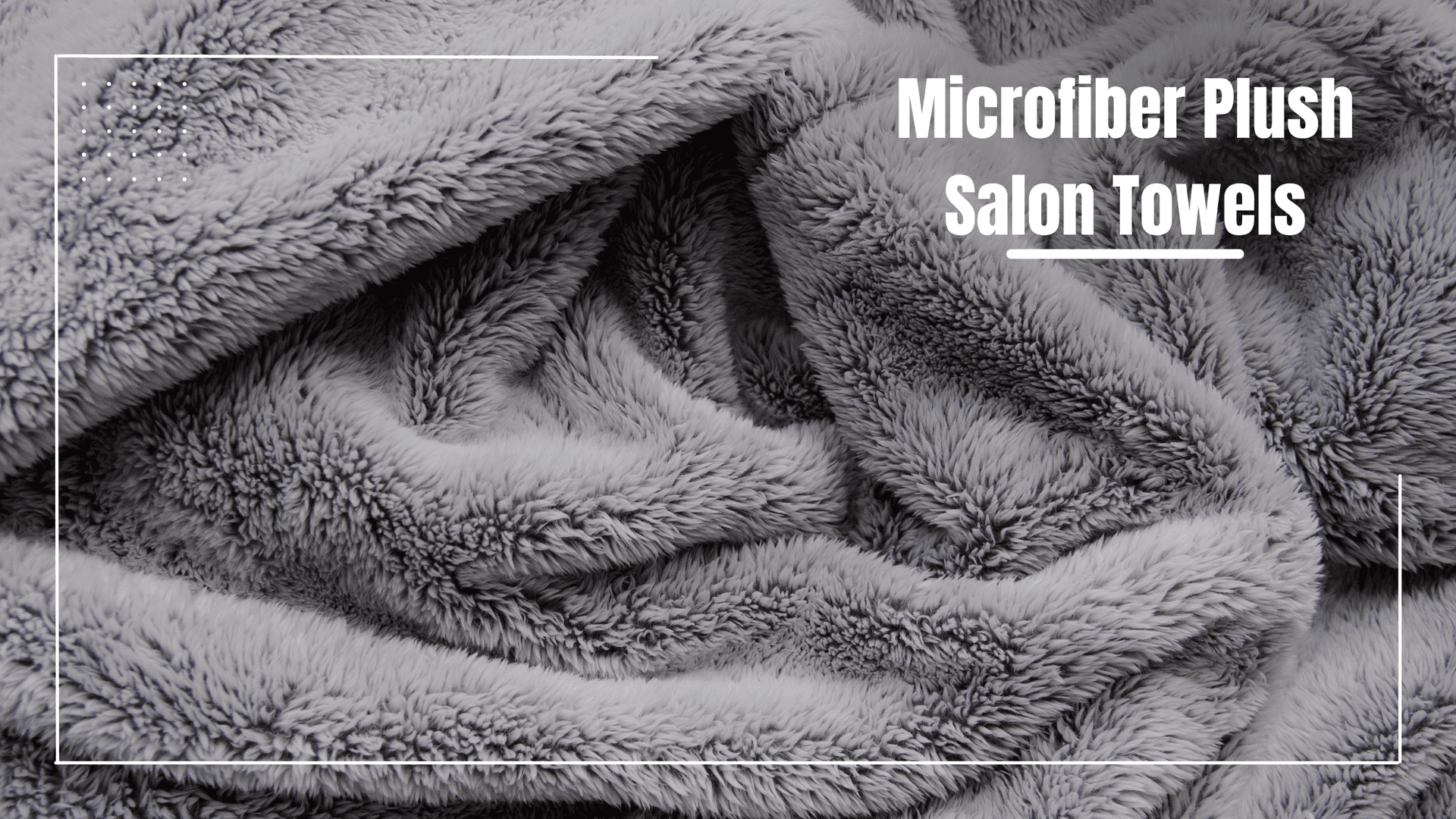
Microfiber towels are made from a blend of polyester and polyamide. The split fibers create a large surface area that pulls water away from hair or skin. A standard microfiber salon towel with a GSM (grams per square meter) of 300 to 400 can hold up to seven times its weight in water. A cotton towel with a GSM of 500 to 700 holds roughly four times its weight. That difference matters when you are drying client after client in a busy salon. You use fewer microfiber towels per service.
Cotton towels absorb water by swelling the natural fibers. They feel wet and heavy after a single use. Microfiber stays lighter and wrings out more completely. In a commercial laundry set at 140°F (60°C) for cotton and 120°F (49°C) for microfiber, the synthetic material dries in about 20 minutes. Cotton takes 40 to 45 minutes. For a salon running three loads a day, microfiber cuts drying time by over half. That translates into lower energy costs and faster turnaround on linen inventory.
Speed is not the only factor. Microfiber pulls water off the hair surface quickly without rough scrubbing. This reduces the time a stylist spends blotting and wrapping. For spas and salons where every minute of chair time is billable, faster drying towels improve efficiency. Your laundry room works less. Your staff works faster. The absorbency advantage of microfiber is measurable and immediate.
Durability and Cost Per Wash
A well constructed microfiber towel can handle 500 to 600 commercial wash cycles before it shows fraying or fiber breakage. Cotton towels in the same environment last 300 to 400 cycles. The difference comes from the synthetic fiber structure. Microfiber resists pilling and edge fraying better than cotton. It holds up against the agitation of industrial washing machines. The seams stay tight and the loops do not snag.
Initial cost is higher for microfiber. A single 16x28 inch microfiber salon towel from a wholesale supplier like Towel Depot might retail at $2.50 to $4.00. A cotton towel of similar size and GSM costs $1.50 to $2.50. But over the life of the towel, microfiber wins. At 500 washes per towel, the cost per use drops below half a cent. Cotton at 350 washes runs closer to three quarters of a cent. When you order 200 units, the total savings over three years can exceed $300 in towel replacement costs alone.
Bulk buyers should also consider the wash water savings. Microfiber requires less detergent and lower water temperatures. The EPA WaterSense program reports that commercial laundry accounts for up to 15 percent of water use in hospitality and salon settings. Using microfiber towels can cut that percentage significantly. For B2B buyers ordering wholesale salon towels, the long term durability of microfiber means fewer reorders and less administrative hassle.
Hygiene and Bleach Resistance
Salon towels come into contact with hair dye, bleach, and chemical relaxers. Cotton towels absorb these substances deeply. Stains set in quickly. Bleach breaks down cotton cellulose over repeated washes. After 30 to 40 bleach cycles at 150°F (65°C), a cotton towel turns yellow and loses tensile strength. Microfiber handles bleach better because the synthetic fibers are chemically stable. You can use chlorine bleach at concentrations up to 5000 ppm without immediate damage.
Microfiber does not hold onto chemical residues as readily as cotton. The nonporous surface releases stains and odors during washing. This reduces the risk of chemical transfer to the next client. For salons that perform color correction or lightening services, using a dedicated set of bleach resistant microfiber towels is a smart hygiene move. The towels stay white longer and smell fresh after each wash. Cotton tends to retain ammonia and peroxide smells even after a full cycle.
The Occupational Safety and Health Administration (OSHA) recommends proper handling of salon chemicals to protect both workers and clients. Towels that resist chemical buildup support a safer environment. In addition, the ASTM standard D7022 for textile bleach resistance gives buyers a benchmark. Microfiber towels that meet this standard last longer under harsh salon conditions. For hotel housekeeping managers who also handle stain removal, microfiber offers the same bleach tolerance without the faded look.
Environmental Impact and Care
Every towel has an environmental footprint. Cotton requires large amounts of water to grow. A single cotton towel uses roughly 500 gallons of water during its full lifecycle. Microfiber towels use about 200 gallons when you account for manufacturing and laundry. The operational savings are even larger. Washing microfiber at 120°F (49°C) instead of 140°F (60°C) cuts energy use by 30 percent. Drying time drops by more than half. These numbers add up across 500 wash cycles.
The main downside of microfiber is microplastic shedding. Each wash releases tiny synthetic fibers into the water. Using a microfiber capture bag or a lint trap filter reduces this by up to 90 percent. Many commercial laundry facilities already have filtration systems. For buyers who prioritize sustainability, pairing microfiber towels with a capture solution is the best approach. Cotton is biodegradable, but the water and energy costs of heavy commercial laundering offset that benefit.
For restaurant buyers and gym managers looking for wholesale bath towels, the environmental trade off between microfiber and cotton is similar. Microfiber saves water and energy in the wash cycle. Cotton decomposes at end of life. In a commercial setting, the operating savings from microfiber usually tip the scale. The CDC guidelines for environmental infection control emphasize proper laundering temperatures. Microfiber meets those standards at lower heat, which protects the fabric and the planet.
Texture and Client Experience
Cotton towels feel plush and familiar. A high GSM cotton towel (700 to 900) gives a spa like luxury. Clients associate the softness with comfort and care. Microfiber has a different hand feel. It is thinner, slick, and smooth. Some clients love how quickly it dries their hair without frizz. Others miss the thick cotton wrap. For salons that market a premium experience, the choice matters.
Microfiber is gentler on the hair cuticle. The fine fibers do not snag or pull. This reduces breakage and frizz, especially on chemically treated or color treated hair. Stylists report that microfiber towels dry hair 40 to 50 percent faster than cotton. That means less time under the dryer and less heat exposure. For clients with curly or damaged hair, microfiber is a clear winner. The smooth texture also prevents lint from sticking to wet hair or freshly applied product.
Hotels and spas often stock both types. High GSM cotton towels go in guest rooms for the luxury feel. Microfiber towels are used in fitness centers and treatment rooms where quick drying and durability are key. For wholesale beach towels, microfiber is popular because it packs small and dries fast. In a salon environment, the texture preference often comes down to the service. For haircuts and blowouts, microfiber works well. For scalp treatments and wet wraps, cotton provides a warmer, softer touch. The best inventory strategy is to buy both and use each where it performs best.