U.S. Tariffs on Imported Towels: Opportunities
Back to BlogTowel Guides

U.S. Tariffs on Imported Towels: Opportunities

Introduction: The U.S. hospitality sector – from hotels to gyms and spas – relies heavily on imported towels and linens to meet daily operational needs. In fact, the vast majority of hospitality towel...

Towel Depot

Towel Depot Team

Wholesale Textile Experts

May 25, 2025
21 min read

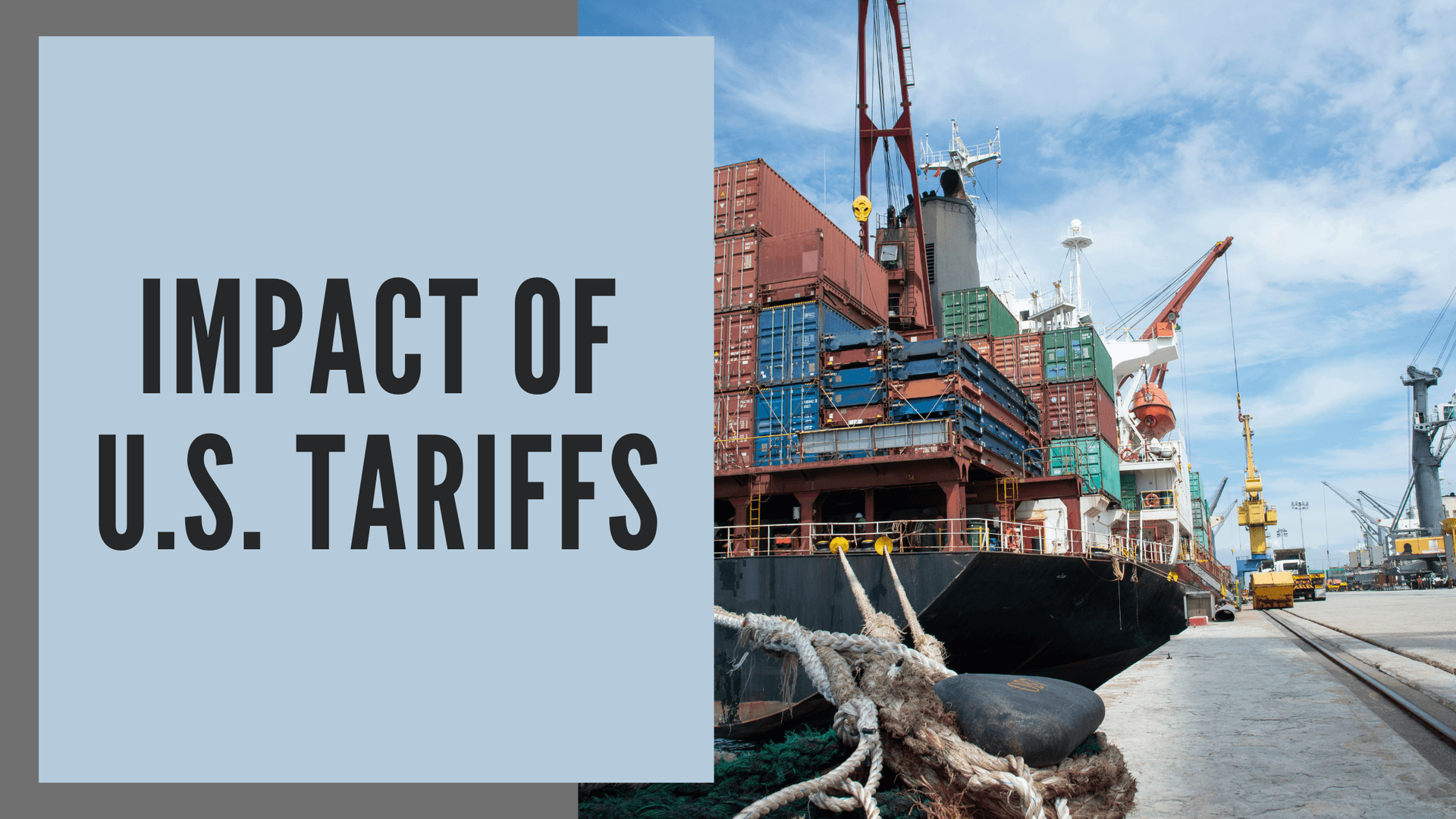
Introduction: The U.S. hospitality sector – from hotels to gyms and spas – relies heavily on imported towels and linens to meet daily operational needs. In fact, the vast majority of hospitality towels are sourced from abroad, with China alone supplying roughly $7 billion in U.S. “household linen” imports in 2023, and Pakistan and India contributing a combined $7 billion more. Recent shifts in U.S. trade policy, however, have imposed steep tariffs on these textile imports. Key supplier countries like China, India, and Pakistan now face varying import duty rates, raising costs and forcing buyers to rethink sourcing and supply chains. This report examines the current U.S. tariff landscape for towels, recent changes in duties, and the ripple effects on pricing and sourcing strategies. It then analyzes how Towel Depot can leverage these conditions – through smart sourcing, competitive pricing, and strategic messaging – to position itself as a valuable supplier for hotels, gyms, spas, and other businesses in the bedding and hospitality arena.

U.S. Tariffs on Imported Towels: Key Regulations and Recent Changes

Base Tariff Rates: Under the U.S. Harmonized Tariff Schedule, cotton towels imported into the United States carry a Most-Favored-Nation (MFN) base duty of approximately 9.1% ad valorem. This base tariff applies equally to imports from most countries (including China, India, and Pakistan) in the absence of any special trade programs or penalties. Notably, textiles and apparel (including towels) are generally excluded from duty-free treatment under programs like the Generalized System of Preferences, meaning even developing countries normally pay the MFN rate.

Trade War and Section 301 Tariffs: A major change came during the 2018–2019 U.S.–China trade war. The U.S. imposed Section 301 tariffs on a wide range of Chinese goods, including textiles, as a response to unfair trade practices. For imported towels from China, this meant an additional 25% punitive tariff on top of the base 9% duty. In effect, Chinese cotton towels that once faced about 9% import duty were now subject to roughly 34% total tariffs (9% + 25%). This dramatic increase significantly raised the landed cost of Chinese-made towels. By contrast, imports from India and Pakistan were not subject to these Section 301 penalties – they continued to pay only the standard ~9% MFN duty during this period.

Loss of GSP Benefits: Another regulatory change affected India’s exports. In June 2019, the U.S. revoked India’s GSP (Generalized System of Preferences) status, ending the duty-free benefits that some Indian products previously enjoyed. While most towel products were not eligible for GSP anyway (due to textile exclusions), this move underscored a tougher U.S. stance on Indian imports. From 2019 onward, Indian towel exporters could no longer hope for any preferential duty reductions – all Indian towels consistently faced the full MFN tariff (~9%). Pakistan, for its part, had limited trade preferences and primarily faced the normal MFN rate as well. In short, by 2020 all three major source countries – China, India, Pakistan – were on equal footing with regard to base tariffs, except that China alone carried the extra 25% trade-war duty.

Proposed “Reciprocal” Tariffs (2025): The tariff landscape has continued to evolve. In early 2025, U.S. trade policy took another protectionist turn with proposals for sweeping “reciprocal tariffs” aimed at aligning U.S. import duties with the high tariffs some countries impose on U.S. goods. Under this plan, import taxes would spike across many categories, hitting China especially hard and also targeting other big textile exporters. For example, U.S. tariffs on Chinese textile goods (like towels and bedding) are set to roughly double from the trade-war level – jumping to about 54% total. Imports from India could see about a 27% tariff rate, and Pakistan around 29%, under this new scheme. These represent massive increases over the current 9% duty and would dramatically alter sourcing economics. (By comparison, some Chinese products in other categories face even steeper duties – tariffs as high as 125–145% have been announced on certain Chinese imports – underscoring the aggressively protectionist stance.) The table below summarizes the tariff rates on towels from key countries before and after these recent changes:

Table: U.S. tariff rates on cotton towels by source country. Proposed 2025 “reciprocal” tariffs would substantially raise duties, especially on Chinese goods.

As shown above, China’s towel exports have been the most heavily penalized – first by the 25% trade-war duties (still in effect as of 2024) and potentially by even higher tariffs beyond 50% going forward. India and Pakistan currently face only the base ~9% U.S. import duty on towels, but even they could see tariffs tripling under the new proposals. Meanwhile, domestic U.S. or FTA-partner sourcing (e.g. Mexico, Central America) remains tariff-free, an important consideration we explore later. These regulatory shifts form the backdrop against which importers and hospitality businesses must now navigate.

Impact on Pricing, Sourcing, and Supply Chains in Hospitality

Rising Costs for Imported Towels: Steep tariffs on imported towels have an immediate effect on prices. Simply put, when the U.S. slaps an extra 25%–50% duty on a towel, the cost for American buyers rises accordingly. For instance, a bulk order of towels from China that used to cost $100 would now incur about $54 in added tariffs, bringing its effective cost to roughly $154. In contrast, the same $100 order from Pakistan (with no punitive tariff) would total around $129 after the standard duty. This $25+ price gap per $100 of product demonstrates how tariffs have made Chinese towels significantly more expensive relative to other sources. Hotels, gyms, and spas – which purchase towels in large quantities – have seen their linen budgets squeezed by these import duties. Industry analysts note that nearly all hospitality linens and towels are sourced overseas, so these tariffs directly translate to higher operating costs for U.S. hospitality businesses. In many cases, hotels must either absorb the added cost, pass it on through higher room/gym fees, or find ways to adjust their procurement strategies.

Shifting Sourcing Strategies: The tariff volatility has forced hospitality procurement teams to adapt quickly. Many buyers moved away from China as a primary source once the 25% tariffs made Chinese goods less competitive. As one industry report observed, “China’s position may be weakening… sourcing from the region now carries major cost and risk” under tariffs up to 145%. Instead, importers have diversified to alternative suppliers in countries not hit by heavy tariffs. Pakistan and India – already large towel exporters – gained an edge as their products remained duty‑light, allowing U.S. importers to save 20–30% compared to Chinese imports. Indeed, Pakistan’s textile manufacturers have viewed the U.S.–China trade war as “a chance to secure more orders from the U.S.” as American buyers seek non-Chinese suppliers.

Beyond South Asia, companies also explored tariff-friendly sourcing options closer to home. Mexico and Peru (both U.S. free-trade partners) have emerged as attractive sources for textiles, since towels made in those countries can enter the U.S. duty-free under trade agreements. Their products are considered high-quality and competitively priced, making them viable alternatives to Asia. Likewise, other countries like Turkey, Portugal, and Indonesia have gained ground in supplying hospitality textiles as buyers spread their orders across multiple regions. This diversification adds resilience to the supply chain – if one country becomes cost-prohibitive due to tariffs or trade disputes, buyers can pivot to another.

Supply Chain and Inventory Adjustments: Tariff uncertainty has also prompted changes in supply chain management. Hospitality suppliers and importers have had to stay nimble, sometimes rushing shipments to beat tariff implementation deadlines and stockpiling inventory. For example, when a new tariff increase was announced with a 90-day pause, companies raced to “get existing orders out the door” before the higher rates kicked in. Others have delayed placing new orders due to the unpredictable policy environment, hoping for clarity before committing to large purchases. This climate of uncertainty – described by one procurement expert as “causing a slowdown in decision-making” – means that efficient logistics and good forecasting are more important than ever. Some hospitality operators increased their safety stock of essential items like towels, to buffer against potential import disruptions or cost spikes. All of these adaptations, however, come with challenges: holding extra inventory ties up capital, and jumping between suppliers can introduce variability in product quality or delivery reliability.

Impacts on Hospitality Operations: Ultimately, the tariff-driven cost increases and sourcing shifts have real impacts on hotels, gyms, and spas. Higher towel prices threaten to erode profit margins or force price hikes on guests and members. A trade briefing noted that 50+% tariffs on textiles will “result in substantial price increases” for hotels’ bedding, towels, and other linens. Hoteliers have warned that broad tariffs would “make hoteliers’ lives miserable” by raising costs on everyday essentials like linens and towels across many source countries. In response, some hospitality businesses are prioritizing supply chain stability and cost control in new ways – a point that represents an opportunity for proactive suppliers like Towel Depot, as discussed next.

Opportunities for Towel Depot Amid Tariff Volatility

Given the challenging tariff environment, Towel Depot can differentiate itself by aligning its strategy with customers’ needs for cost-effective and reliable towel supplies. The current conditions actually create several strategic openings for a nimble domestic supplier. Below, we outline how Towel Depot can leverage domestic or tariff-exempt sourcing, offer competitive pricing and faster delivery, meet the rising demand for reliability, and craft strategic messaging that resonates with hospitality buyers.

Domestic and Tariff-Exempt Sourcing Opportunities

One of the clearest opportunities is for Towel Depot to emphasize sourcing that bypasses punitive tariffs entirely. Every import duty added is a cost that must be either passed to customers or absorbed – so avoiding those tariffs gives an immediate pricing advantage. Towel Depot can pursue this in a few ways:

  • Expand U.S. Manufacturing or Finishing: By increasing any domestic production capacity (or even final processing in the U.S.), Towel Depot can supply truly “Made in USA” towels that carry 0% import duty. Domestic textile manufacturing shrank in past decades, but with tariffs leveling the field, there is renewed interest in U.S.-made linens. Even a partial onshore operation (such as cutting/sewing imported fabric domestically) could reduce tariff exposure under certain customs rules. Any U.S.-made line of towels would let customers completely avoid import taxes while touting a locally made product – a double selling point.

  • Source from Tariff-Free Trade Partners: Towel Depot can strategically source inventory from countries that have free trade agreements (FTAs) with the U.S., thereby eliminating duties. For example, Mexico and several Central American nations (like Honduras, El Salvador) are part of USMCA or CAFTA-DR trade agreements that allow textiles to enter the U.S. duty-free if origin rules are met. Suppliers in Mexico or Peru (U.S.–Peru FTA) can provide high-quality cotton towels with no tariff cost. In the current climate, these FTA sources are highly attractive. Towel Depot could build partnerships with mills in these countries, effectively giving its customers pricing comparable to pre-tariff Chinese goods, without the volatility.

  • Capitalize on Non-Tariffed Countries: Even outside FTAs, some major towel producers remain comparatively “safe” from extra tariffs – for instance, Pakistan has not been subject to special U.S. duties. Apart from the standard ~9% MFN tariff (which applies to most imports), Pakistan faces no additional barriers, and under new proposals its rate (29%) would still be roughly half of China’s. Towel Depot can leverage relationships in Pakistan or India to import quality towels at a lower duty cost, and then pass those savings to customers. By actively managing its supplier portfolio – favoring mills in tariff-exempt or low-tariff locations – Towel Depot ensures it always has a line of products that are competitively priced against high-tariff competitors.

In short, a diversified, tariff-conscious sourcing strategy is key. By blending domestic production and carefully chosen import sources, Towel Depot can offer a stable of towel products largely insulated from the tariff turbulence affecting competitors. This approach not only cuts costs, but also provides a hedge against any one country’s trade risks. The ability to say “our supply chain is tariff-proof or tariff-minimal” is a powerful value proposition to cost-sensitive hospitality buyers.

Competitive Pricing and Faster Delivery Advantages

By minimizing tariff costs as described, Towel Depot can achieve pricing advantages that directly appeal to hotels, gyms, and spas watching their bottom line. Avoiding a 25% or 50% import tax means Towel Depot’s unit costs can be significantly lower than competitors who import heavily taxed goods. This creates room to offer more competitive prices or maintain healthier margins. For example, if rivals selling Chinese-imported towels must charge 30% more due to duties, Towel Depot can undercut them by supplying equivalent towels from a duty-free source. Even in cases where Towel Depot’s domestic production might have a higher base cost, the absence of tariffs helps narrow the gap. Furthermore, sourcing from nearby countries can reduce shipping expenses and transit times, which also contributes to cost efficiency.

Just as important as price is the delivery advantage that Towel Depot can offer. Hospitality clients value a reliable and responsive supply chain – they cannot afford to run out of clean towels for guests or members. By virtue of being a U.S.-based supplier (and using nearby sourcing), Towel Depot can provide shorter lead times and quicker replenishment than overseas importers. For instance, towels stocked in a U.S. warehouse can be delivered to a hotel in days, whereas an order from Asia might take 6–8 weeks by sea freight. Likewise, regional sourcing (e.g. from Mexico) not only avoids tariffs but also cuts down transit time dramatically versus Far East shipments. The recent global logistics disruptions have highlighted this advantage: fewer links in the supply chain mean fewer chances for delay.

In practical terms, Towel Depot can market benefits such as:

  • Consistent Inventory Availability: Because it isn’t waiting on long international shipping cycles subject to port delays, Towel Depot can keep a steady inventory ready for immediate shipment. A gym or spa that suddenly needs an extra pallet of towels can have them delivered within a week or even days, which is often impossible when dealing with distant overseas suppliers.

  • Lower Freight Costs: Closer-to-home sourcing often means lower transportation costs (ocean freight and associated fees from Asia have been very high in recent years). Lower logistics costs enable Towel Depot to keep overall prices competitive. It also reduces the risk of freight surcharges that many importers had to add when container costs spiked.

  • Flexible Order Quantities: With domestic warehousing, Towel Depot can accommodate smaller or more frequent orders that hospitality clients might need, without the pressure to order container-loads at a time. This flexibility is an advantage for many hotels and fitness clubs that prefer just-in-time deliveries to manage their storage space.

Overall, by combining tariff savings with logistical agility, Towel Depot can position itself as a cost-effective and convenient choice. Competitive pricing goes hand-in-hand with dependable service – a combination highly valued in the hospitality sector, especially in uncertain times. When buyers see that they can get quality towels at a stable price and on a reliable schedule, it greatly strengthens Towel Depot’s value proposition against import-dependent competitors.

Market Demand for Reliable Towel Suppliers Amid Volatility

Perhaps the most significant trend in the hospitality procurement landscape is a newfound premium on stability and certainty. After several years of tariff whiplash, trade policy shifts, and even pandemic-related disruptions, hotels and commercial buyers are actively seeking suppliers who can bring them peace of mind. Cost is still crucial, but there is a growing understanding that the lowest sticker price means little if the supply is unreliable or subject to sudden surcharges. Towel Depot is well positioned to tap into this demand for reliability and act as a trusted partner in a volatile market.

Current industry observations back this up: “Clients are actively seeking U.S.-based manufacturers who can offer consistent quality and predictable timelines,” notes one hospitality purchasing executive. Many hospitality businesses have shifted their sourcing behavior, favoring “domestic sources and simplified supply chains” because “it’s not just about cost savings – it’s about certainty.” This underscores that hotels and gyms now value a steady supply of towels with no surprises, even if it means paying a bit more than rock-bottom import prices. Being a domestic supplier, Towel Depot can directly satisfy this need for certainty. It can provide the comfort that orders won’t be suddenly upended by a new tariff announcement or a geopolitical conflict halfway around the world.

Moreover, with tariffs hitting so many countries, buyers realize that diversifying or localizing their supply is the prudent move. Under the 2025 reciprocal tariff plan, for example, even suppliers in Vietnam or Cambodia (once seen as alternatives to China) could be subject to high U.S. duties. This leaves domestic or FTA-exempt suppliers as the few stable harbors in the storm. Towel Depot can leverage the fact that it is largely insulated from international trade spats – its customers won’t wake up to a sudden 30% price hike due to a tweet or a trade war escalation. In an environment where policy changes can come swiftly, having a reliable domestic source is almost like an insurance policy for hospitality operators.

Additionally, consistency in product quality is part of reliability. By managing a tighter supply chain (with either domestic production or long-term vetted partners), Towel Depot can ensure the towels it delivers are uniform in quality, color, and feel, batch after batch. Hotels and spas place a premium on consistent guest experience – they want all their towels to match in softness and appearance. Frequent switching between overseas suppliers can sometimes lead to inconsistency. Towel Depot’s model, focusing on stable sourcing, can deliver a dependable product that earns the confidence of buyers over time.

In summary, the market is hungry for dependable suppliers amid the tariff tumult. Towel Depot can meet that hunger by emphasizing its stability: stable prices, stable supply, and stable quality. By doing so, it doesn’t just sell towels – it sells peace of mind to hotel managers and gym owners. This reputational advantage can be as important as any price quote in winning long-term business.

Strategic Messaging to Appeal to Hotels, Gyms, and Spas

To capitalize on these advantages, Towel Depot should craft strategic messaging that resonates with decision-makers in the hospitality and fitness industries. The goal is to let prospective buyers immediately understand how Towel Depot’s approach solves their pressing problems. Key themes to highlight in marketing and sales communications include:

  • “Tariff-Proof” Value: Emphasize that Towel Depot’s towels are not subject to the heavy tariffs plaguing other importers. Messaging can highlight facts like “We source domestically or from duty-free partners – no 25% tariff surprises in our pricing.” This assures buyers that the price they’re quoted is stable and won’t be inflated by unpredictable trade policies. Given that tariffs have been driving up linen costs by 20–50% for many hotels, pitching a tariff-free supply is a powerful draw.

  • Cost Savings and Predictable Pricing: Build on the tariff angle with a clear cost-saving promise. For example: “Avoid paying extra import taxes – our supply strategy saves your hotel up to 30% on towel costs compared to China-dependent sources.” Also, stress price stability – Towel Depot can offer contracts or bulk pricing that remains steady, helping clients budget confidently. In an era when managers are wary of volatile costs, the appeal of a predictable line item is strong.

  • Reliable Supply, Fast Delivery: Highlight Towel Depot’s domestic presence and quick logistics. For instance: “Never run out of towels – we maintain inventory in the U.S. for rapid shipment.” and “Get deliveries in days, not weeks, thanks to our North American supply chain.” Clients will appreciate the reassurance that they can get emergency restocks quickly and that routine orders will arrive on schedule. Real-world context (like “no waiting 8 weeks for a container from overseas”) can drive the point home. This messaging aligns with the industry trend of turning toward domestic sources for “predictable timelines” and simplified supply chains.

  • Quality and Compliance: Hotels, spas, and gyms care about the quality and durability of the towels (as they endure frequent washing) and often have specific standards (size, GSM, colorfastness, etc.). Towel Depot should affirm that tariff-free doesn’t mean quality-free – e.g., “Our towels are made from premium cotton and meet hospitality-grade standards for absorbency and longevity.” If sourcing from countries like Mexico or Pakistan known for quality cotton, mention that pedigree. Also, any relevant certifications (OEKO-Tex, Made in USA, etc.) can be touted. This assures buyers they aren’t sacrificing quality by avoiding certain import sources.

  • Partner in Uncertainty: Position Towel Depot not just as a vendor, but as a strategic partner who helps clients navigate uncertainty. The company can underscore how it has proactively adapted to tariff changes so that its customers don’t have to. For example: “While others pass along tariff costs or scramble for suppliers, we’ve done the homework – our supply chain is built for stability. You can focus on running your hotel, and we’ll handle the towels.” This kind of messaging taps into the relief a client feels in delegating a headache to a trusted partner. It echoes the sentiment in the industry that working with U.S.-based manufacturers provides certainty in an uncertain global environment.

When communicating with specific segments – say a boutique hotel versus a local fitness center – Towel Depot can tailor these messages. A hotel might value the luxury angle of quality and guest satisfaction, whereas a gym might prioritize durability and cost for high-turnover towels. However, the core message remains: Towel Depot offers a safe harbor amid the tariff storm – combining competitive pricing with reliable, hassle-free service. By consistently delivering on this promise, the company can strengthen its brand reputation in the hospitality market and build loyalty among clients who have been burned by volatile import costs in the past.

Conclusion

U.S. tariffs on imported towels have undoubtedly created challenges for hospitality businesses – driving up costs, complicating sourcing, and injecting uncertainty into supply chains. Yet these same conditions present an opening for a supplier like Towel Depot to shine. By leveraging domestic and tariff-exempt sourcing, Towel Depot can sidestep the costliest import duties and offer pricing that beats heavily tariffed competitors. By maintaining a robust local inventory and agile logistics, it can ensure faster delivery and dependable supply – exactly what hotels, gyms, and spas now seek in a post-trade-war environment. And by communicating its value effectively – stable costs, reliable supply, and partnership in navigating market volatility – Towel Depot can appeal directly to the current needs and pain points of hospitality buyers.

In an industry where nearly all towels were once imported with little fuss, the new tariff reality has upended old assumptions. Hospitality operators are actively re-evaluating their suppliers with an eye on certainty and value. Towel Depot can capitalize on this moment by presenting itself as a forward-thinking supplier that has adapted to the new rules of the game. In doing so, it not only helps its clients mitigate the impact of tariffs, but also solidifies its own position in the market as a go-to source for quality towels amid global turbulence. By turning challenges into opportunities, Towel Depot can build stronger relationships with hotels, gyms, and spas – emerging not just as a vendor, but as a critical ally in their operations’ success.

Sources:

  • U.S. Customs and Border Protection ruling on cotton towel classification (9.1% base duty)

  • LinkedIn – Trump’s Tariff War: A Golden Chance for Pakistan’s Economy (textile tariff differentials: China 54%, India 27%, Pakistan 29%)

  • India BriefingIndia-US Trade Relations Under Trump’s Tariffs (2019 GSP withdrawal for India)

  • Economic Times / Fortune coverage of 2025 tariff proposals (tariffs up to 145% on Chinese goods; 27–29% on India/Pakistan)

  • Harris Sliwoski LLP – Effects on Restaurants and Hotels (hospitality textiles facing 54% tariffs, price impacts)

  • Hospitality Design – How Tariffs Are Shaking Up the Hospitality Industry (diversification of sourcing, shift to domestic manufacturing for certainty)

  • Harris Sliwoski LLP – U.S. Tariffs: Effects on Hotels (hotels pivot to Mexico/Peru suppliers with lower tariffs)

  • Additional industry commentary on tariff impacts and hospitality sourcing strategies.

Ready to shop quality towels? Shop Our Collection →

Towel Depot

About Towel Depot

With over 20 years in the wholesale textile industry, Towel Depot supplies premium towels and linens to hotels, salons, healthcare facilities, and businesses nationwide. Our team brings hands-on expertise in fabric sourcing, commercial laundering, and bulk textile procurement.

This article was researched and written with AI assistance, then reviewed by our textile industry team for accuracy. All product recommendations and care advice are based on our 20+ years of wholesale textile experience.

Shop Related Products

Premium wholesale towels mentioned in this article

Shop Wholesale Bath Towels
Stay Informed

Get Expert Insights Delivered

Join our community of home textile enthusiasts. Get exclusive tips, product launches, and special offers straight to your inbox.

No spam, unsubscribe anytime. We respect your privacy.