
How to Wash Microfiber Towels for Cars
In this guide:
- What water temperature is best for washing microfiber towels used on cars?
- Can I use regular laundry detergent on microfiber car towels?
- How should I dry microfiber towels without damaging them?
- How often should microfiber towels for cars be washed in a commercial setting?
- Can I wash microfiber car towels with cotton or terry cloth towels?
- Frequently asked questions
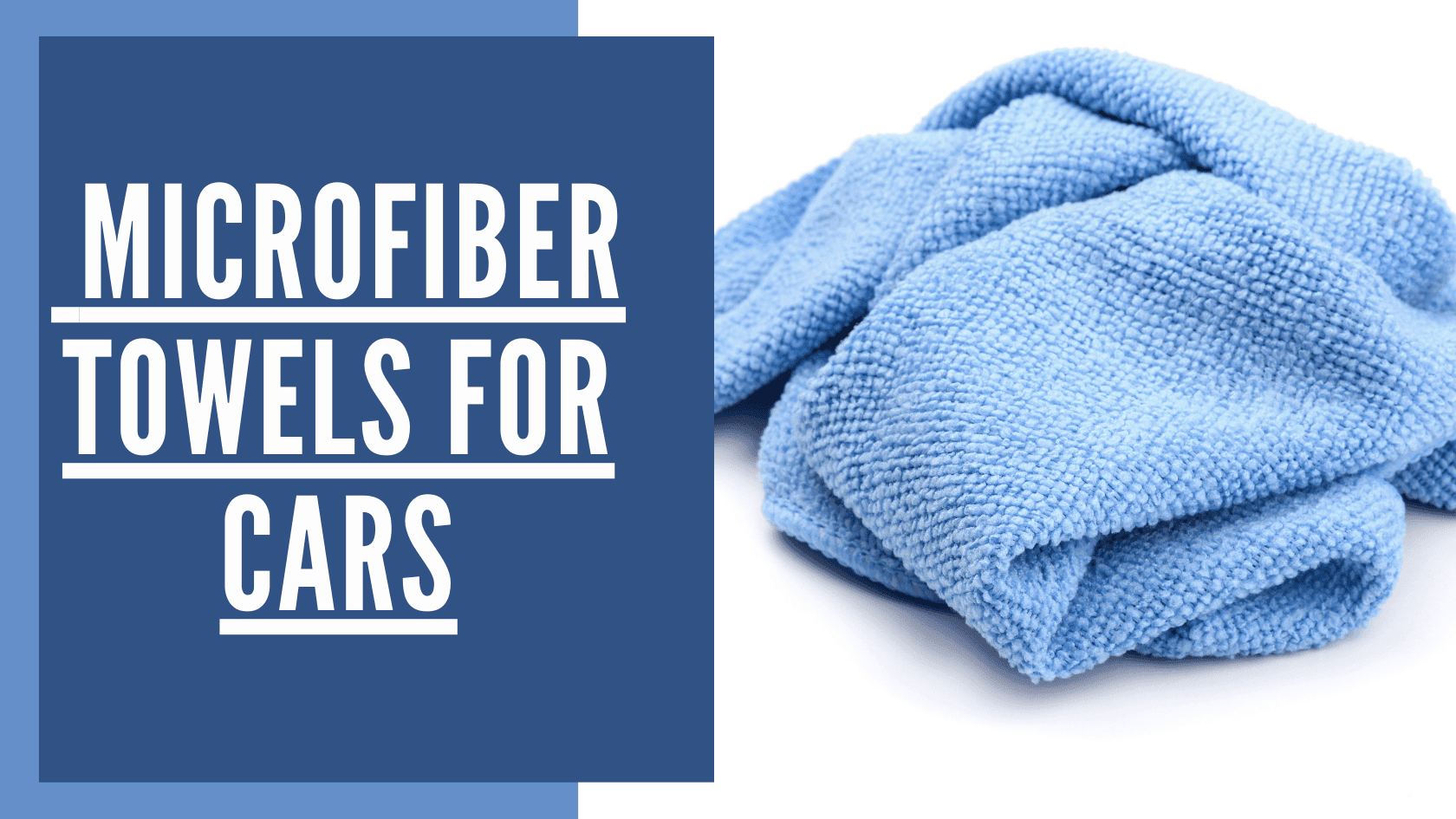
If you manage a commercial auto detailing operation, a hotel with a car care service, or a fleet maintenance facility, you know that microfiber towels are the workhorses of your cleaning arsenal. Learning how to wash microfiber towels for cars correctly will save you money on replacements and keep your paintwork and glass streak free. This guide covers everything you need to keep your bulk investment performing at its peak, from water temperature to detergent choice.
Wash microfiber car towels after every use in cool to warm water (80°F to 105°F) with a fragrance free, enzyme free detergent. Never use fabric softener or bleach. Air dry or tumble dry on no heat. Keep them separate from cotton towels.
What water temperature is best for washing microfiber towels used on cars?
Water temperature is the first variable that can make or break your microfiber towels. Microfiber is made from a blend of polyester and polyamide. The split fibers that trap dirt and water can be damaged by excessive heat. For standard automotive dirt like dust, pollen, and light road film, use cool water around 80°F (27°C). Warm water at 105°F (40°C) works well for heavier grime. Never go above 140°F (60°C). Temperatures above that threshold can melt the polyamide fibers and ruin the towel forever.
In a commercial wash setting, hot water sanitizing cycles are common for cotton linens. Do not use them for microfiber. If you need to kill bacteria or remove stubborn oil, use a warm wash followed by a cold rinse. The cold rinse helps close the fiber splits and reduces static. Some operators use a pre soak with an enzyme prespray on heavily soiled towels. That is fine as long as the water stays below 110°F (43°C) during the soak.
We see many buyers order 500 GSM microfiber towels for polishing and 350 GSM for drying. Both benefit from the same temperature rules. High GSM towels hold more water and need a longer rinse cycle. Plan for a wash cycle of 8 to 12 minutes for standard soil, and up to 15 minutes for heavy wax or compound residue. Over washing can cause unnecessary wear. Stick to one wash cycle per load. A second rinse without detergent is fine if you notice suds left behind.
Can I use regular laundry detergent on microfiber car towels?
No. Regular laundry detergent contains brighteners, fragrances, and enzymes that clog the split fibers of microfiber. The result is a towel that smears instead of absorbs. You need a detergent that is fragrance free, dye free, and free of optical brighteners. Look for a product labeled for microfiber or one that is a mild liquid soap with a neutral pH between 6 and 8. Powder detergents often leave undissolved particles that scratch paint. Avoid any detergent with chlorine bleach or oxygen bleach. Bleach breaks down the polymer structure.
The amount of detergent matters as well. Use half the amount you would use for a cotton load. A typical commercial front loader with a 40 pound capacity needs only 2 to 3 tablespoons of liquid microfiber detergent. Too much detergent leaves a film that reduces absorbency. If you see water beading on the towel after washing, you used too much. Run an extra rinse with no detergent to strip the residue. For extremely oily towels from wax or degreaser, a tiny amount of dish soap (1 teaspoon per load) can help. But rinse thoroughly.
The Environmental Protection Agency (EPA) has guidelines for choosing cleaning products that are safer for the environment and for workers. You can reference their Safer Choice program when selecting a detergent. Many microfiber friendly detergents carry that label. This matters in a commercial setting where employees handle chemicals daily. A safer detergent means fewer skin irritations and less risk of chemical reactions with paint sealants. It is worth the small extra cost per load to protect your towels and your staff.
How should I dry microfiber towels without damaging them?
Drying is where most damage happens. Heat melts the fiber splits. Air drying is the safest method. Hang towels on a line indoors or in a well ventilated area. Direct sunlight can fade colors but does not harm the fiber structure. If you need faster drying for next day use, tumble dry on the no heat or air fluff setting. If your dryer only has a low heat option, set it to below 130°F (55°C). Verify with a thermometer. Never use high heat. A single high heat cycle can reduce towel life by 50%.
Dryer sheets are a common mistake. They contain wax and softening agents that coat the fibers. A coated microfiber towel will not absorb water. It will repel it. The wax transfers to the car surface and causes smearing on glass and paint. Use nothing in the dryer. If static is a problem, add a few wool dryer balls or a clean, dry cotton towel. That will reduce static without leaving residue. Another option is to line dry and then fluff for two minutes on no heat to soften the fibers.
Your commercial dryer should have a moisture sensor. Use it. Overdrying brittle microfiber. When the towels come out slightly damp to the touch, they are done. A typical dryer cycle for a 40 pound load of microfiber towels takes 20 to 30 minutes on no heat. For low heat, keep it under 20 minutes. Rotate the load halfway through to prevent tangling. If you process large volumes, consider investing in a dedicated microfiber dryer with a low temperature limit. The Occupational Safety and Health Administration (OSHA) recommends maintaining equipment to prevent overheating and fire risk. Follow the OSHA guidelines for laundry machinery to keep your operation safe.
How often should microfiber towels for cars be washed in a commercial setting?
Wash after every single use. Even if the towel only touched a clean looking surface, it picked up dust and oils from your hands. Dirt accumulates quickly. A towel used for drying a freshly washed car can still hold microscopic grit that scratches clear coat. In a busy detail shop with a dozen employees, that means at least one full load per day. Do not let used towels sit in a pile for more than a few hours. Oils and solvents can cause the fibers to clump and degrade.
For towels used on heavy contamination like wheel wells, engine bays, or wax removal, wash them immediately after use. These towels often hold compound residue that hardens if left to dry. A 5 minute soak in cool water right after use makes the wash cycle more effective. Sort your soiled towels by level of dirt. Keep heavy soil towels separate from light dirt towels. This prevents transfer of grit and grease. A color coding system works well: blue for glass, green for paint, red for wheels. Wash each color group separately.
Track the number of wash cycles per towel. A high quality 500 GSM microfiber towel can withstand 300 to 500 wash cycles if washed correctly. At one wash per day, that is about one year of life. When a towel starts to feel rough or no longer absorbs water, retire it. It becomes a dirt magnet instead of a cleaning tool. Bulk buyers who order 200 to 500 units at a time should calculate their replacement cycle. Order new stock before your old towels deteriorate. That keeps your team working efficiently. For other linen needs, you can explore our wholesale bath towels, wholesale beach towels, and wholesale hotel towels for separate commercial applications.
Can I wash microfiber car towels with cotton or terry cloth towels?
Do not mix them. Cotton and terry cloth shed lint. Microfiber is designed to trap particles. Lint gets embedded in the split fibers and is hard to remove. A lint covered microfiber towel will leave fuzz on your car paint. Wash all microfiber towels together in a dedicated load. If your laundry room is tight on space, keep a separate hamper just for microfiber. Train your staff never to toss a cotton rag into the microfiber load.
The same rule applies to polyester blends and other synthetic fabrics. Some synthetic cloths also shed microfibers that can cling. Stick to 100% polyester and polyamide microfiber in the same wash. Separating by color also helps. Dark gray towels absorb more heat in the dryer and may fade faster. Whites and light colors show staining and might need an occasional oxygen bleach soak. But never use chlorine bleach on any microfiber. The International Sanitary Supply Association (ISSA) offers best practices for textile care in commercial environments. Their cleaning solutions database includes guidance on washing synthetic materials.
If you must wash microfiber with other items, use a lint filter or a mesh laundry bag for the microfiber. This reduces lint transfer but does not eliminate it. The best practice is a dedicated load. For a hotel that also runs a car care service, keep two separate laundry streams. One for cotton linens, one for microfiber. This preserves the quality of both. Microfiber towels will last longer, and your cotton towels will not pick up the synthetic fibers that can cause pilling. Simple separation saves you money and frustration.