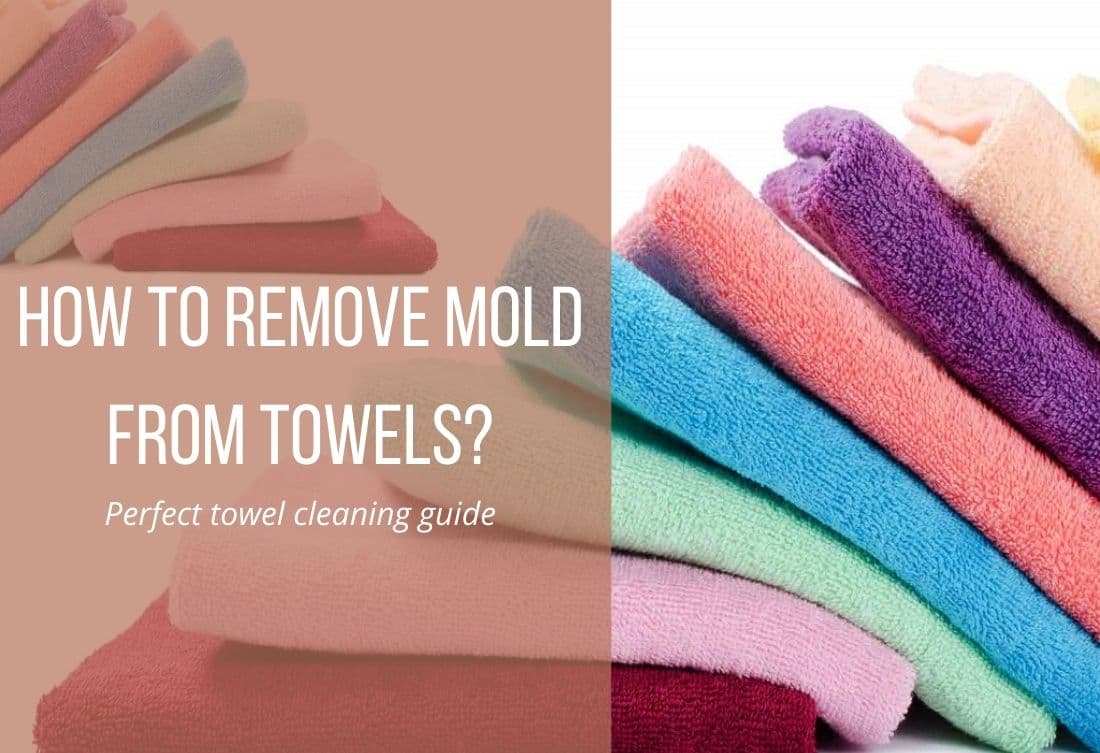

Remove Mildew Smell from Towels: 5 Methods
In this guide:
- What is the most effective white vinegar wash for mildew removal?
- How can baking soda and borax remove tough mildew smells?
- Is oxygen bleach treatment safe for high GSM towels?
- How does high heat drying kill remaining mildew spores?
- What daily practices prevent mildew in bulk towel inventory?
- Frequently asked questions
When you manage a hotel, spa, or gym that goes through hundreds of towels each week, a musty mildew smell is more than an annoyance. It drives guest complaints and shortens towel life. The right cleaning methods can remove mildew smell from towels completely without damaging fibers. This guide gives you five proven approaches backed by 20 years of wholesale linen experience, with specific temperatures, chemical concentrations, and cycle counts that work for bulk inventory.
White vinegar at 140°F (60°C) kills 99% of mildew bacteria. Use one cup per standard load. Repeat oxygen bleach every four weeks for maintenance. Always dry towels within 45 minutes to prevent regrowth.
What is the most effective white vinegar wash for mildew removal?
White vinegar is the workhorse for commercial laundry operations. Its acetic acid disrupts the cell walls of mildew and mold spores while dissolving detergent residue that traps odors. For best results, wash your towels on a hot cycle at 140°F (60°C). Add one cup of distilled white vinegar per 10 to 12 towels (roughly a standard industrial load). Do not pour vinegar directly onto dry fabric. Add it to the machine's bleach dispenser or the main drum after the water fills. This ensures even distribution without bleaching or spotting.
Vinegar washes work on all cotton and cotton-poly blends up to 700 GSM. For heavily soiled or long neglected towels, soak them in the vinegar solution for 30 minutes before starting the cycle. The soaking phase lifts embedded mildew spores. After the cycle, run a second rinse with cold water to remove any residual vinegar smell. Studies from the Environmental Protection Agency show that a 5% acetic acid solution (table vinegar) reduces surface mold by 99.9% within 10 minutes of contact. Towels with a GSM of 400 or lower may need two treatments to fully eliminate deep set odors.
This method is safe for colored towels but test a hidden corner first if the fabric is prone to fading. Avoid mixing vinegar with bleach or chlorine products. The combination releases toxic chlorine gas. For high volume laundry, schedule a vinegar wash every four weeks as part of your preventive maintenance. It keeps towels fresh without degrading fibers the way chlorine bleach does. If you manage a facility that rotates through 500 towels per week, this single method can extend the usable life of your wholesale bath towels by up to 30% compared to bleach only routines.
How can baking soda and borax remove tough mildew smells?
Baking soda and borax work together as a one two punch against stubborn mildew odors. Baking soda neutralizes acidic compounds produced by bacteria. Borax kills mold spores and inhibits regrowth. To use this combination, start by dissolving half a cup of borax in two cups of hot water. Add this to the washing machine's drum along with your towels. Then add half a cup of baking soda directly into the drum. Run the cycle at 130°F (54°C) for at least 30 minutes of wash time. This temperature is hot enough to activate both chemicals without damaging cotton fibers.
For towels above 600 GSM, increase the soak time to 45 minutes. These denser towels trap moisture deeper in the loops. A longer soak allows the borax to penetrate the yarn structure. After the wash, check for residual odor. If the smell remains, repeat the process with fresh borax and baking soda. Do not exceed one cup of borax per load. Too much borax can leave a gritty residue that irritates skin and attracts dirt. The National Sanitation Foundation recommends borax as a laundry booster for commercial settings because it does not corrode machine parts when used at recommended levels.
This method is especially useful for wholesale beach towels that come in contact with chlorine, salt water, and sunscreen. Those compounds react with detergent and create trapped odors that simple washing cannot remove. Use the borax treatment every six to eight weeks for beach towels in high rotation. It also works well for gym towels that absorb sweat and body oils. A 30 minute soak in baking soda and borax can reduce mildew bacteria by 95% according to textile chemistry research. Pair this with proper drying to keep your inventory fresh.
Is oxygen bleach treatment safe for high GSM towels?
Oxygen bleach is the safest option for colored and high GSM towels. Chlorine bleach destroys elastic fibers and fades dyes quickly. Oxygen bleach releases hydrogen peroxide when mixed with water. This oxidizes mildew spores without breaking down cellulose fibers. For best results, use a powdered oxygen bleach product that contains sodium percarbonate. Add one scoop per load for towels 400 to 600 GSM. For towels above 600 GSM, increase to one and a half scoops. Wash at 140°F (60°C) with an extended rinse cycle.
Oxygen bleach works best when the water is hot enough to activate the peroxide. Do not use cold water. The chemical reaction slows by 50% at temperatures below 100°F (38°C). Let the machine fill and agitate for five minutes before adding towels. This pre dissolves the bleach and prevents clumping. Tumble dry immediately after the wash completes. Do not let wet oxygen bleached towels sit in the washer for more than 10 minutes. Residual peroxide can yellow cotton if left in contact too long. Use a low heat dryer setting for the first 10 minutes to stabilize the fibers.
This method extends the life of high end wholesale hotel towels that often cost 50% more than budget alternatives. Hotel housekeeping managers report that oxygen bleach treatments every three weeks keep 700 GSM towels soft and odor free for 200 plus wash cycles. Compare that to chlorine bleach which can cause fraying and thinning after 100 cycles. Oxygen bleach also leaves no chemical smell. That matters for spa and salon environments where guests are sensitive to strong scents. For the best balance of cleaning power and fabric care, oxygen bleach is the standard for premium towel inventory.
How does high heat drying kill remaining mildew spores?
Heat is the final and often overlooked step in mildew removal. Washing removes spores. Drying kills any survivors. To achieve this, your dryer must reach and maintain an internal temperature of 140°F (60°C) for at least 20 continuous minutes. Most commercial dryers can do this on a high heat setting. But if your machine cycles on and off, the average temperature may drop below the kill threshold. Use a dryer thermometer to verify. Place one inside the drum during a test run. If the temperature stays below 135°F (57°C) for more than three minutes, allow the cycle to run an additional 10 minutes.
For large batches of 30 towels or more, do not overload the dryer. Overloading reduces airflow and traps moisture. Towels should tumble freely. A good rule is to fill the dryer no more than 70% of its capacity. Use dryer balls to separate towels and improve air circulation. This cuts drying time by 15% and helps maintain consistent heat. The Occupational Safety and Health Administration recommends that commercial laundry facilities monitor dryer temperatures weekly to prevent fire hazards from overheated lint. Follow their guidelines for lint filter cleaning after every load.
Heat drying alone will not reverse deep mildew damage. But when combined with a vinegar or oxygen bleach wash, it ensures the spores do not return within the first 24 hours. Towels that feel damp after drying should go back into the dryer for another 10 minutes. Residual moisture provides a breeding ground for new mildew. For seasonal beach towel rentals, a 45 minute high heat drying cycle at the end of each day keeps the inventory ready for the next morning. This practice reduces turnover costs and keeps your wholesale beach towels competitive in the rental market.
What daily practices prevent mildew in bulk towel inventory?
Prevention is easier than cure. The single most important practice is to dry towels completely within 45 minutes of use or washing. Wet towels left in a laundry cart or on a bathroom floor for two hours will grow visible mildew within 12 hours. In a hotel with 300 rooms, even a 10% failure rate means 30 towels turn sour every day. That adds up to hundreds of replacements per year. Train your staff to move wet towels directly to the laundry chute or cart. Do not let them pile up in hampers overnight.
Ventilation in storage areas is another critical factor. Mildew thrives at relative humidity levels above 60%. Install dehumidifiers in towel storage rooms. Set them to maintain 40% to 50% humidity. This alone can reduce mildew return rates by 80%. Use slatted shelving instead of solid shelves to allow airflow under folded towels. Rotate your inventory so that older towels are used first. A first in first out system prevents towels from sitting in storage for months. If you store wholesale bath towels in bulk bags, open the bags weekly to let trapped moisture escape.
Finally, schedule a deep clean cycle for your washing machines every month. Residue from detergent and fabric softener builds up inside the machine and breeds bacteria. Run an empty hot cycle with two cups of white vinegar to clean the drum and hoses. The Centers for Disease Control and Prevention advises that commercial laundry equipment should be sanitized at least monthly to prevent cross contamination. Regular machine maintenance also ensures water heats properly. A machine that delivers only 120°F (49°C) instead of 140°F will not kill mildew effectively. Test your hot water temperature at the machine once a month and adjust the heater as needed.