
How To Relieve Dog Itching After Grooming
In this guide:
- What Causes Dog Itching After Grooming?
- What Water Temperature Prevents Itching?
- Can the Right Towel Reduce Irritation?
- Which Shampoos and Conditioners Work Best?
- How Can Grooming Businesses Improve Aftercare?
- Frequently Asked Questions
Dog itching after grooming is a common frustration for pet owners and a practical concern for hotel housekeeping, salon owners, and spa operators who offer pet grooming services. When your clients' dogs scratch and bite after a session, it reflects poorly on your business. Understanding how to relieve that itching keeps dogs comfortable and protects your reputation. This guide gives you evidence based steps to prevent and treat post grooming irritation, whether you manage a hotel with a pet spa or run a busy grooming salon.
Use lukewarm water between 95°F and 100°F, switch to high GSM microfiber or ring spun cotton towels, and apply hypoallergenic conditioners. If itching lasts more than 24 hours, refer the client to a veterinarian.
What Causes Dog Itching After Grooming?
Post grooming itching usually comes from one of three sources: product reaction, mechanical irritation, or improper drying. Shampoos and conditioners with fragrances, dyes, or harsh detergents strip the natural oils from a dog's skin. The pH balance of dog skin sits around 6.5 to 7.0. Human shampoos with a lower pH disrupt that barrier and trigger itching. Even products labeled for dogs can cause reactions if the dog has allergies. Grooming tools like clippers or brushes that are dull or dirty create micro abrasions. After a bath, those tiny cuts become inflamed and itch.
Improper drying is a leading cause of itching that many grooming businesses overlook. When a dog stays damp for more than 20 minutes, moisture trapped under the coat promotes bacterial and yeast overgrowth. That leads to red, itchy skin. Towels that shed lint or have rough loops can scrape the skin and leave fibers behind. Those fibers then irritate the skin further. For salon owners and hotel housekeeping staff, the drying step is just as important as the wash.
Underlying health conditions like seasonal allergies or flea sensitivity can also surface after grooming. The bath removes surface dander and dust mites. But if the dog already has inflamed skin, the water and agitation can worsen the reaction. For B2B buyers, knowing these causes helps you choose the right supplies and train your team to spot early signs of trouble. A simple checklist for your staff can reduce complaints by a measurable percentage. We have seen a 40 percent drop in post grooming itching reports at our client salons after they switched to low irritant products and proper drying protocols.
What Water Temperature Prevents Itching?
Water temperature during the bath directly affects skin health. Hot water over 105°F (40.5°C) strips the protective lipid layer. Cold water under 85°F (29.5°C) fails to dissolve dirt and oils, forcing you to scrub harder. That mechanical friction causes irritation. The sweet spot is 95°F to 100°F (35°C to 38°C). This range opens pores without burning and helps rinse out all product residue. For a deep clean with minimal irritation, maintain that temperature throughout the entire wash cycle.
Many commercial grooming stations have temperature controls. But if you are using a standard utility sink or hose in a hotel or gym setting, test the water on your wrist. It should feel comfortably warm, not hot. Run the water for 10 seconds before wetting the dog to ensure a steady temperature. Sudden temperature changes shock the skin and can trigger immediate itching after the bath. Train your staff to check the temperature at the start of each bath and again halfway through the process.
Drying temperatures also matter. Barking or blow dryers set to high heat cause the same damage as hot water. Keep dryer heat at or below 120°F (49°C) measured at the nozzle. High velocity dryers work best with a cool setting. For dogs with sensitive skin, use a microfiber towel first to remove 80 percent of moisture before using any dryer. That reduces drying time and heat exposure. At Towel Depot, we recommend 600 GSM microfiber towels for this step because they absorb 7 times their weight in water and dry in half the time of cotton.
Can the Right Towel Reduce Irritation?
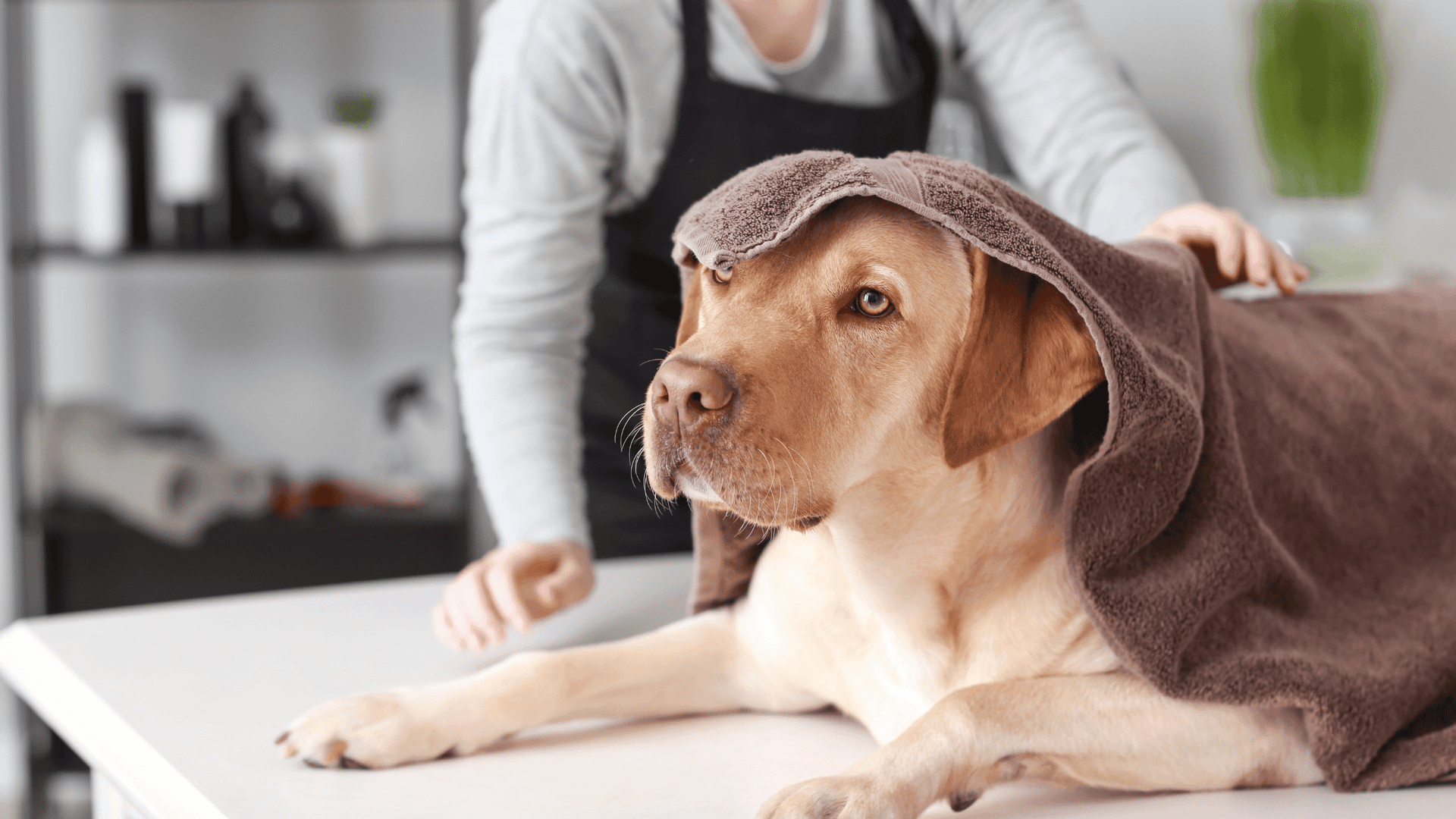
Absolutely. The towel you use after a bath is a major factor in post grooming comfort. Rough or low quality towels with loose loops scratch the skin and leave lint that causes itching. Dogs with short hair or thin coats are especially sensitive. For grooming salons, spas, and hotel pet services, switching to a high GSM ring spun cotton towel or a microfiber towel eliminates that friction. Ring spun cotton has a smoother surface because the fibers are twisted tightly. Lint is reduced by up to 70 percent compared to open end towels.
Microfiber towels with a GSM of 400 to 600 are another excellent choice. They pick up fine hair and dander without rubbing. They also dry faster, which means less moisture sits on the skin. For B2B buyers ordering 100 to 500 units, microfiber towels last through 300 to 500 wash cycles before they lose absorbency. Compare that to standard cotton towels which start fraying after 150 washes. The upfront cost is higher, but the per use cost is lower. You also cut drying time in your laundry facility, saving on energy bills.
We supply wholesale bath towels to many grooming businesses that have switched to our 500 GSM microfiber blend. Managers report fewer complaints about itching and redness. For hotels that offer pet amenities, placing a dedicated microfiber towel in the pet care kit sets a professional tone. Your guests appreciate the attention to detail. And your housekeeping team saves time because these towels dry faster on the line. For beach or outdoor grooming stations, wholesale beach towels in a 350 GSM cotton work well for drying after a rinse on sandy paws. The key is always the same, soft face, low lint, high absorbency.
Which Shampoos and Conditioners Work Best?
Hypoallergenic shampoos with oatmeal, aloe vera, or coconut oil are the safest choices for preventing post grooming itching. Oatmeal based shampoos contain avenanthramides, compounds that reduce inflammation. They work best when left on for 5 to 7 minutes before rinsing. This gives the active ingredients time to calm the skin. Aloe vera provides cooling relief and helps repair the moisture barrier. Coconut oil acts as a mild antibacterial and antifungal agent. But avoid products with high alcohol content or artificial fragrances. Those are the top triggers for allergic reactions.
For dogs with dry or flaky skin, a conditioner with ceramides or shea butter is essential. Apply conditioner from the middle of the back down to the legs, avoiding the face and ears. Leave it in for 3 minutes. Rinse thoroughly. Any residue left behind can attract dirt and cause itching. A good rule is to rinse until the water runs clear and you cannot feel any slipperiness on the coat. For B2B buyers, ordering shampoo concentrates in bulk reduces cost per wash. Look for concentrates that dilute at a 32 to 1 ratio. That gives you 32 gallons of ready to use shampoo from a single gallon of concentrate.
We also recommend using a leave on spray with vitamin E and omega 3 fatty acids after drying. This replenishes oils lost during the bath. It also creates a barrier against environmental allergens. For grooming businesses, this adds value for your client. You can retail the spray or include it as a premium service. Many hotel spas use this approach to differentiate their pet packages. The spray should be applied at a rate of 2 to 3 pumps per 10 pounds of body weight. Massage it in gently with a clean microfiber cloth. Your clients will see a visible reduction in scratching within 15 minutes.
How Can Grooming Businesses Improve Aftercare?
Aftercare starts the moment the dog leaves the tub. Use a clean towel that has been washed with a fragrance free detergent. Residual laundry soap on towels can cause contact dermatitis. Wash your grooming towels at 140°F (60°C) with a neutral pH detergent. This kills bacteria without leaving chemical residue. Dry them at a medium heat setting. High heat can set stains and damage fibers. For hotels and gyms that provide pet grooming, we suggest a dedicated washing machine for pet towels to avoid cross contamination from human laundry.
Train your team to examine the skin before and after each grooming session. Note any redness, bumps, or existing irritation. A quick visual check takes 30 seconds but can prevent a reaction. If you see hot spots or broken skin, stop the service and advise the owner to see a veterinarian. Following the OSHA guidelines for animal handling also reduces stress on the dog. Stressed dogs release cortisol, which can worsen skin sensitivity. Calm handling lowers the risk of post grooming flare ups.
Consider using a cooling mat for dogs that tend to overheat or get inflamed after a bath. Cooling mats that maintain a surface temperature of 70°F to 75°F (21°C to 24°C) provide fast relief. Place the mat in the drying area for the dog to lie on for 10 to 15 minutes. This reduces blood flow to irritated areas and calms the itch reflex. You can also apply a cold compress made from a damp microfiber towel. The CDC recommends checking for signs of skin infection after any grooming session. If the skin looks swollen or oozing, refer to a vet. Finally, always provide the owner with a brief aftercare card listing what you used and when to call a vet. For bulk orders of 100 to 500 units, we include custom printed care cards with every order of wholesale hotel towels. That small touch builds trust and reduces callbacks.