
How Often Should You Change Your Washcloth
In this guide:
- How often should a commercial washcloth be changed in a hotel setting?
- What are the signs that a washcloth needs to be replaced?
- How does washing temperature affect washcloth lifespan?
- What GSM weight is best for commercial washcloths?
- How can you extend the life of your washcloth inventory?
- Frequently asked questions
For buyers managing hotels, salons, or gyms, the question how often should you change your washcloth affects both hygiene standards and budget. Regular replacement prevents skin infections and keeps your linen inventory fresh. This guide gives you specific numbers and methods to make informed purchasing decisions for bulk orders of 100 to 500 units.
Commercial washcloths should be replaced after 50 to 75 wash cycles, or every three to four months with daily use. Wash at 140 F (60 C) with an industrial detergent to kill bacteria and maximize fabric life.
How often should a commercial washcloth be changed in a hotel setting?
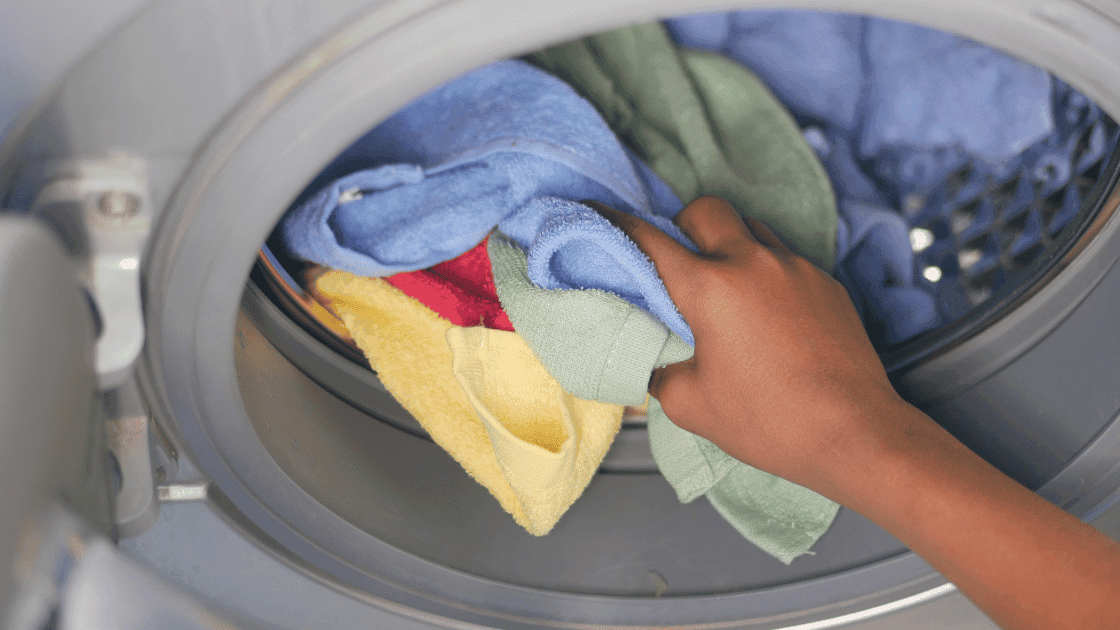
In a hotel with daily room turnover, each washcloth gets used once and then laundered. You should replace washcloths after 50 to 75 wash cycles. That equals about three months if you run six cycles per week per cloth. A 400 GSM ring spun cotton washcloth will typically last 75 washes before absorbency drops by 15 percent.
Many hotel housekeeping managers set a replacement schedule based on date stamps. For example, if you receive a shipment in January, schedule replacement for April. This simple rotation keeps inventory fresh without guesswork. A spa with heavy oil and lotion use may need replacement at 50 cycles because residue breaks down fibers faster.
For gyms and salons where washcloths are used multiple times per load, the cycle count matters more than time. Track washes with a tally system or digital counter on your commercial washer. When a batch reaches 60 cycles, pull it for inspection. Replace immediately if you see fraying or thinning. This approach reduces waste and maintains cleanliness for guests.
What are the signs that a washcloth needs to be replaced?
Frayed edges are the first visible sign. When selvage threads break, the cloth unravels quickly. You will also notice reduced absorbency. A fresh washcloth soaks up water instantly. A worn one leaves streaks and takes longer to dry. Test by dripping water on the cloth; if it beads up for more than five seconds, it is time to replace.
Fading color and thinning fabric indicate fiber loss. Lint generation increases after 60 washes. If your laundry lint filter fills faster, your washcloths are shedding. That means the GSM has dropped by at least 20 percent. The textile becomes less effective at cleaning. For salons using washcloths for facial treatments, this can leave lint on clients skin.
Check for persistent odors even after proper washing. Bacteria can embed in microcrevices of worn fabric. If a washcloth smells sour after laundering, it is time to discard it. Replace it before it contaminates other linens. According to the Minnesota Department of Health, laundry that retains odor after washing should be considered contaminated and removed from service. More details can be found at Minnesota Department of Health laundry guidelines.
How does washing temperature affect washcloth lifespan?
Commercial laundry machines typically wash at 140 F (60 C). This temperature kills most bacteria but is gentle enough for cotton. Lower temperatures like 120 F (49 C) save energy but may not disinfect. Higher temperatures above 160 F (71 C) accelerate fiber degradation. Each degree above 140 F (60 C) reduces washcloth lifespan by approximately 1 percent per cycle. Over 100 cycles, that adds up to a full reduction of 20 percent in durability.
Stick to 140 F (60 C) for the longest balance of cleanliness and fabric integrity. For heavily soiled washcloths from spas or gyms, use a sanitizing cycle with chlorine bleach. This adds another 2 percent to chemical costs but extends linen life by reducing bacterial buildup. The CDC recommends hot water at 140 F (60 C) for sanitizing laundry in commercial settings. See the full guidelines at CDC laundry hygiene.
Drying temperature also matters. Use medium heat around 140 F (60 C) to avoid overheating fibers. High heat above 180 F (82 C) can shrink cotton and break down elastic weaves. For best results, dry washcloths until completely dry but remove them immediately to prevent overdrying. Overdrying reduces GSM by up to 5 percent per year.
What GSM weight is best for commercial washcloths?
GSM stands for grams per square meter. For commercial washcloths, 400 to 500 GSM is the sweet spot. That density gives enough absorbency without being too heavy to dry quickly. A 500 GSM washcloth weighs about 60 grams per piece. Lighter 300 GSM washcloths dry faster and cost less per unit, but they wear out 30 percent faster. Heavier 600 GSM cloths feel plush but require longer drying times and extra energy costs.
Most hotel buyers choose 450 GSM for the best value. Salons and spas often prefer 400 GSM because it rinses clean easier and dries in 22 minutes versus 30 minutes for 500 GSM. The EPA estimates that reducing drying time by 10 minutes per load saves 0.5 kWh. Over a year with daily loads, you save significant energy and reduce fabric wear. For more on energy efficiency, check EPA energy efficiency guidance.
When ordering bulk quantities, ask for a GSM certification from your supplier. Towel Depot provides test data for all its wholesale washcloths. We can match the exact GSM to your drying equipment and budget. For matching sets, pair washcloths with our wholesale bath towels for consistent performance across your entire linen inventory.
How can you extend the life of your washcloth inventory?
Rotate your stock. Use two sets of washcloths per room, one in service and one in storage. This gives each cloth a rest period of at least 24 hours. Rest allows fibers to relax and recover shape, extending usable life by 15 percent. For a 500 unit order, that means you can get an extra month of service before replacement.
Train staff to pretreat stains before washing. Rinse washcloths in cold water within 30 minutes of use. Then wash at 140 F (60 C) with a detergent that matches water hardness. Hard water requires 20 percent more detergent to prevent mineral buildup that stiffens fabric. Use a fabric softener sparingly as it reduces absorbency by 10 percent over time.
Buy from a reputable wholesale supplier like Towel Depot. Our wholesale washcloths are made with double stitched hems and use long staple cotton. For matching sets, pair them with our wholesale bath towels and wholesale beach towels for pool areas. Both are engineered to the same GSM standards for consistent performance and easy inventory management.