
Receiving Blankets: Hospital & Nursery Standards
In this guide:
- Standard Sizes and Materials
- Safety and Regulatory Standards
- GSM Weight and Durability
- Wash Cycle Lifespan
- Care and Maintenance
- Frequently Asked Questions
If you buy linens for hotels, hospitals, or nurseries, you need receiving blankets that meet strict standards for safety, durability, and comfort. These blankets are not just for swaddling newborns. They are a staple in hospitals, birthing centers, and hospitality cribs. This guide covers everything a B2B buyer needs to know about hospital and nursery grade receiving blankets.
Hospital grade receiving blankets are 30 x 40 inches, 100% cotton, with a GSM of 130 to 160. They withstand 75 to 100 commercial wash cycles when washed at 140°F (60°C). Bulk orders of 100 to 500 units deliver consistent quality and cost savings. Always check for ASTM flammability certification and antimicrobial options.
Standard Sizes and Materials
The standard size for a hospital or nursery receiving blanket is 30 inches by 40 inches. This dimension is not arbitrary. It gives enough fabric to swaddle a full term newborn securely, with extra length to fold over or tuck. Adult sized crib blankets are different. The 30 x 40 size is also ideal for use as a burp cloth, changing pad liner, or bassinet sheet. For bulk buyers, keeping one standard size simplifies inventory and reduces waste.
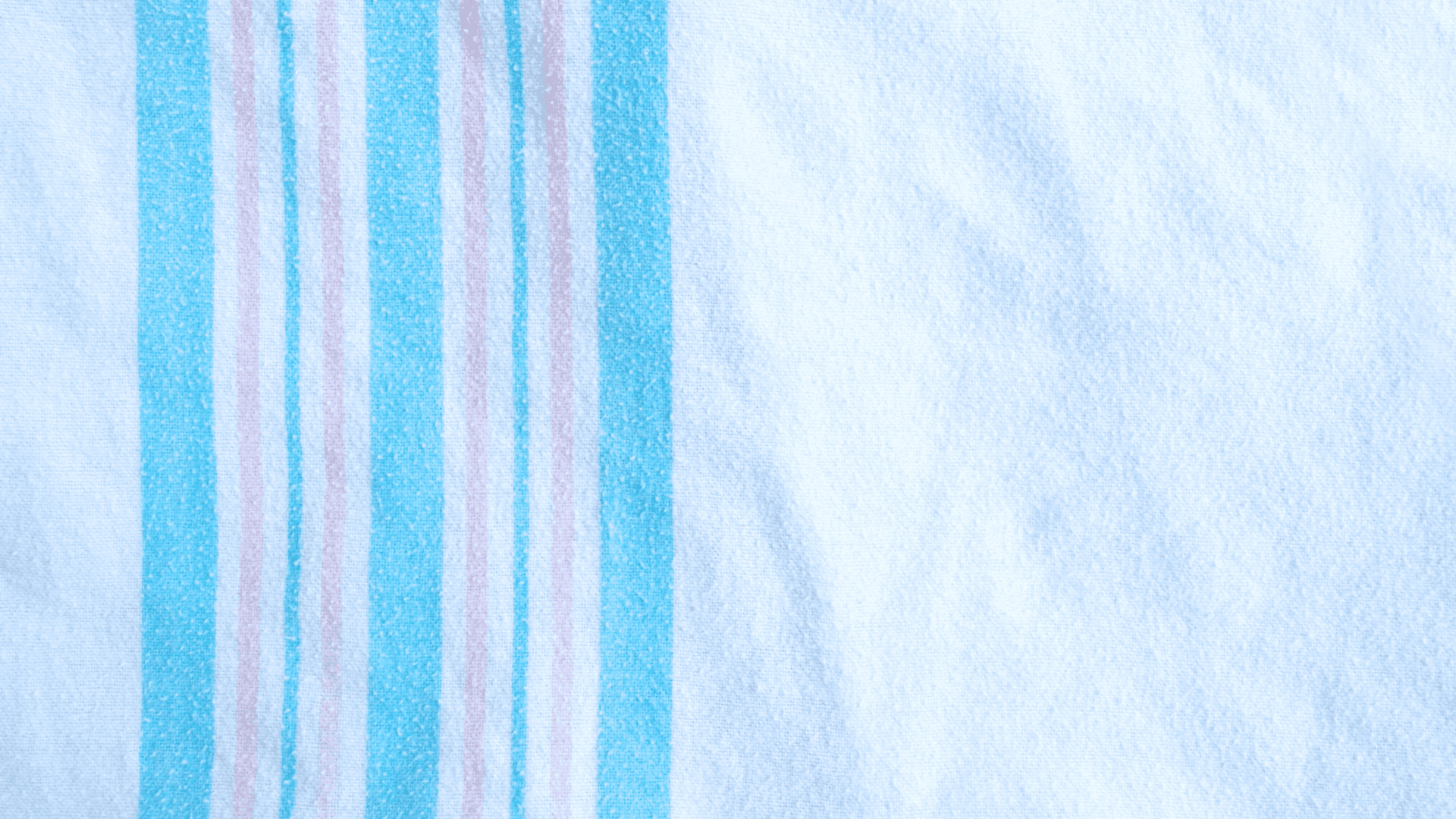
Material choice matters more than you think. The vast majority of hospital grade receiving blankets are 100% cotton, usually in a birdseye weave or muslin weave. Birdseye cotton is tight and flat, which resists pilling and handles repeated hot washing. Muslin is looser and more breathable. Both are hypoallergenic and soft against newborn skin. Some facilities request a 50/50 cotton polyester blend. These blankets last longer but sacrifice some softness. The weight of a standard cotton receiving blanket runs about 3.3 pounds per dozen, which equates to a GSM around 140. That is light enough to move air but heavy enough to hold heat.
Do not overlook the binding. Hemmed edges are standard. Flat seams prevent irritation. Double needle stitching adds strength. For bulk orders of 100 to 500 units, make sure your supplier offers consistent thread count and weave density. One batch with loose threads creates laundry problems later. At Towel Depot, we have offered wholesale blankets since 1967. We know the difference between retail throw blankets and true institutional grade receiving blankets. Stick with the 30 x 40 size and 100% cotton for most healthcare and hospitality needs.
Safety and Regulatory Standards
Receiving blankets sold for hospital or nursery use must meet specific safety regulations. The U.S. Consumer Product Safety Commission (CPSC) enforces flammability standards for children's sleepwear and bedding under 16 CFR Part 1610. This applies to receiving blankets. They must be self extinguishing when exposed to a small flame. Third party testing is the norm. Reputable suppliers provide certificates of compliance upon request. You should ask for them before placing a bulk order.
In healthcare settings, infection control adds another layer. The CDC guidelines for laundry in healthcare facilities recommend washing contaminated linens at a minimum temperature of 160°F (71°C) for at least 25 minutes. Receiving blankets that come into contact with infants need to withstand these temperatures without excessive shrinkage or color loss. Cotton birdseye weaves handle high heat well. Blends with polyester can be washed at lower temperatures but may trap bacteria if not fully dried.
Also consider chemical residue. Antimicrobial finishes are common in hospital linens. They use silver or zinc based treatments that remain active through 50 to 75 washes. These treatments reduce the risk of staph and MRSA transfer on fabric. For hospitality nurseries and spas, you may not need medical grade antimicrobials, but you do need blankets free of formaldehyde and azo dyes. The FTC textile labeling rules require accurate fiber content and care instructions. Check your supplier's labels. If you order healthcare linens in bulk, make sure every blanket carries a permanent care label sewn into the seam.
GSM Weight and Durability
GSM stands for grams per square meter. It is the industry standard for measuring fabric weight. For receiving blankets, the sweet spot is 130 to 160 GSM. Below 130 and the blanket feels flimsy. Above 160 and it becomes too heavy for a newborn and takes longer to dry in commercial laundry. A 140 GSM cotton blanket weighs about 3.3 pounds per dozen. That weight gives you enough fabric to swaddle snugly, plus enough heft to stay put when a baby kicks.
Durability is not just about GSM. It is about construction. A 140 GSM birdseye weave with 28 to 30 threads per inch will outlast a looser weave at the same weight. Double the thread count to 60 and you get a denser fabric that resists fraying but costs more. For bulk buyers ordering 100 to 500 units, you need to balance cost and lifespan. A mid range weave at 140 GSM will survive 75 to 100 industrial wash cycles. That is about 18 months of daily use in a busy hospital nursery.
Shrinkage is your enemy. Untreated cotton can shrink up to 8% in the first few washes. Pre shrunk cotton or mercerized cotton reduces shrinkage to 2% to 3%. Ask your supplier for shrinkage test data. Also ask about tensile strength. ASTM D5034 measures fabric break force. A receiving blanket should break at no less than 40 pounds per inch in the warp direction. If your supplier cannot provide this number, look elsewhere. We also carry wholesale bath towels that follow similar GSM and strength standards. Apply the same scrutiny to your blanket orders.
Wash Cycle Lifespan
How many times can you wash a receiving blanket before it needs replacement? In a commercial laundry, the answer depends on water temperature, detergent type, and drying method. A 100% cotton birdseye blanket at 140 GSM will typically last 80 to 100 hot water cycles. A cycle is defined as a full wash, rinse, and tumble dry at 160°F (71°C) wash temperature. After 80 cycles, expect some edge fraying and slight loss of softness. After 100 cycles, you may see thinning in the center where folding occurs.
Cotton polyester blends stretch the lifespan to 120 to 150 cycles. The polyester core resists alkali damage from laundry chemicals. But the trade off is lower absorbency and a less natural feel. For hospital nurseries where skin contact is constant, 100% cotton is still the gold standard. If you run a hospitality operation with cribs in guest rooms, you can opt for blends to stretch your budget. Just test a sample lot for 50 washes before placing 500 units.
Bleach is a common culprit in early failure. Chlorine bleach weakens cotton fibers over time. Use oxygen bleach or non chlorine alternatives. Set your wash temperature at 140°F (60°C) for standard sanitation. That is the minimum temperature recommended by OSHA guidelines for healthcare laundry. Always pre treat stains before washing. Never overload the machine. Overloading reduces mechanical action and leaves soil trapped in the folds. Track your wash cycles per blanket lot. When you see returns from housekeeping about pinholes or frayed edges, you know it is time to replace that batch.
Care and Maintenance
Proper care starts the day you receive the shipment. Wash new receiving blankets once before use to remove mill dust and any residual chemicals. Use hot water at 140°F (60°C) and a mild detergent. Do not use fabric softeners. They coat the cotton fibers and reduce absorbency. For bulk buyers, train your laundry staff on this. One worker adding softener to a load of 200 blankets ruins the whole batch.
Drying is just as important. Tumble dry on medium heat, around 120°F to 140°F (49°C to 60°C). Overdrying at high heat causes excessive shrinkage and weakens fibers. Remove blankets while slightly damp to reduce wrinkling. If you iron, use a cotton setting. Do not dry clean. The solvents break down the weave and leave chemical residues. The Occupational Safety and Health Administration recommends separate handling of soiled and clean linens. Use color coded carts. Store clean receiving blankets in a dry, dust free area at 65°F to 75°F (18°C to 24°C) with relative humidity below 50%.
Inspect blankets during sorting. Look for stains, tears, and loose threads. Remove any blanket with a broken seam or large hole immediately. Small pulls can be trimmed with scissors. Do not pull them. That runs the weave. For hotels and spas offering nursery amenities, rotate stock so all blankets get equal wear. Mark each blanket with a bar code or ink stamp to track how many times it cycles through. A simple log of purchase date and cycle count helps you budget replacements. Receiving blankets are a low cost item per unit, but they add up across hundreds of rooms. Care makes them last.