
The Importance Of Good Towels In Nursing Homes
In this guide:
- What GSM weight should nursing home towels have?
- How should nursing homes launder towels to prevent infections?
- How often should towels be replaced in a nursing home?
- What towel size is best for nursing home residents?
- What fabric blend is safest for nursing home towels?
- Frequently asked questions
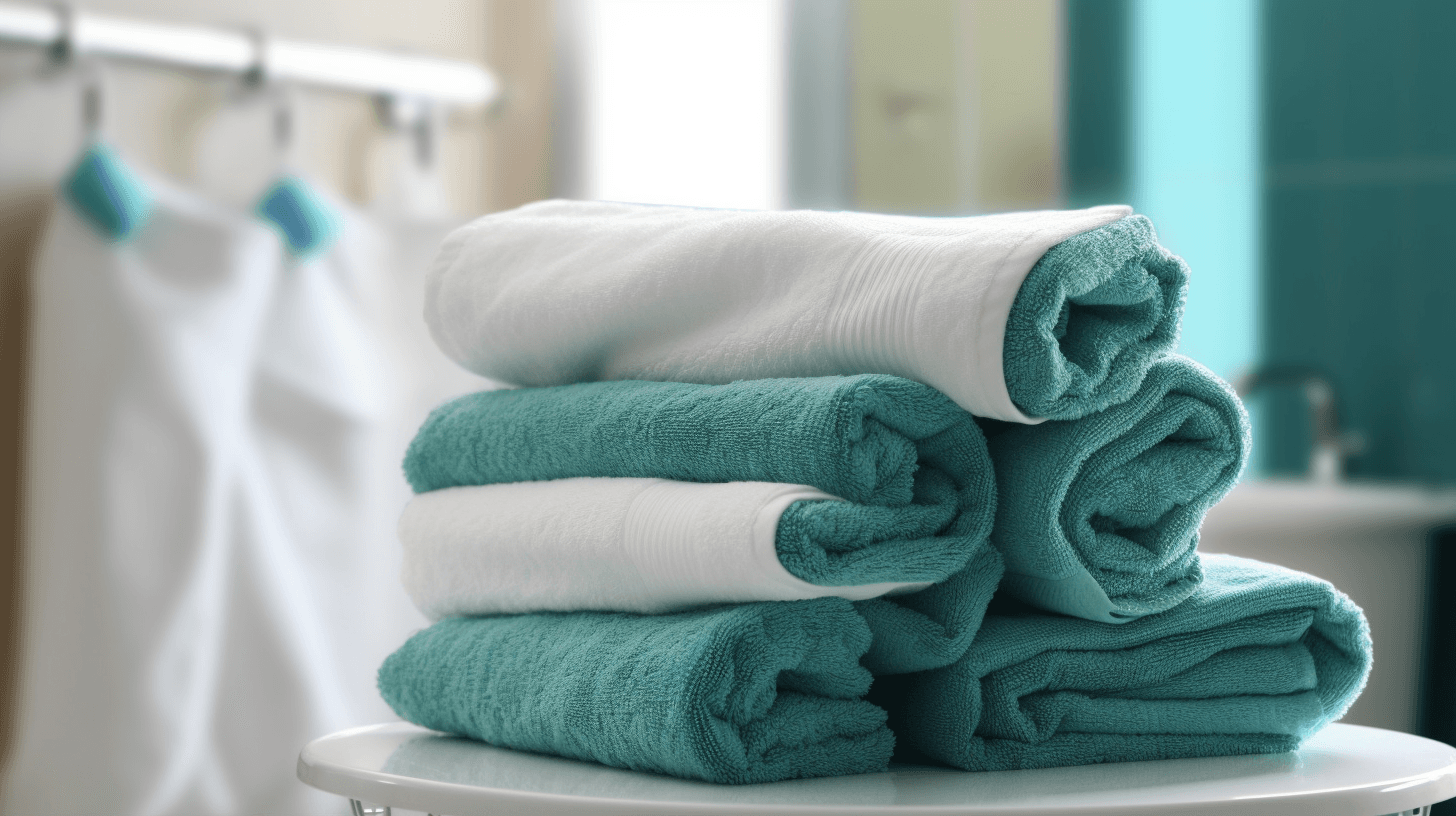
Choosing the right towels for a nursing home is not a small decision. It directly affects resident comfort, infection control, and your bottom line. As a wholesale buyer with 20 years in the linen industry, I have seen facilities waste money on towels that fall apart after 50 washes or cause skin irritation. The importance of good towels in nursing homes goes far beyond drying skin. It is about safety, durability, and cost per use. This guide walks you through the key factors every B2B buyer needs to know before placing a bulk order.
Nursing home towels must balance absorbency, durability, and hygiene. Target 500 to 700 GSM, 100 percent cotton, and wash at 160°F (71°C) to kill pathogens. Replace towels every 100 to 150 wash cycles. The right choice cuts laundry costs and reduces infection risk.
What GSM weight should nursing home towels have?
GSM stands for grams per square meter. It is the standard measure of towel density and absorbency. For nursing homes, the sweet spot is 500 to 700 GSM. Towels under 500 GSM feel thin and do not absorb enough moisture. Residents with fragile skin need a towel that dries thoroughly in one pass. A 600 GSM towel holds about twice the water of a 400 GSM towel. That means less rubbing and less skin damage. In my experience, 600 GSM is the minimum for reliable performance in a nursing home setting.
Higher GSM towels above 700 GSM seem plush but cause problems in commercial laundry. They take longer to dry, which increases energy costs and cycle times. A 800 GSM towel can require an extra 20 minutes in the dryer at 180°F (82°C). That extra time also raises the risk of mildew if towels are not fully dried. Nursing homes run multiple loads per day. Slow drying creates bottlenecks. Stick to 500 to 700 GSM. You get enough absorbency without sacrificing throughput.
The right GSM also affects how towels hold up under repeated washing. Towels in the 500 to 700 range retain their structure for 100 to 150 cycles. Lower GSM towels lose loops and become threadbare sooner. Higher GSM towels may feel heavier but the extra weight does not translate to longer life. They often develop pilling and uneven wear. Always request a sample and test it through 50 wash cycles before buying bulk. Check the loss in GSM after those cycles. Anything over a 10 percent drop signals poor construction.
How should nursing homes launder towels to prevent infections?
Infection control is nonnegotiable in nursing homes. Towels touch open skin, wounds, and mucous membranes. The Centers for Disease Control and Prevention (CDC) recommends washing linens at a minimum temperature of 160°F (71°C) for at least 10 minutes to kill healthcare associated pathogens. That includes MRSA, vancomycin resistant enterococci, and Clostridium difficile spores. Many facilities run a hot water wash at 180°F (82°C) for an extra safety margin. Check your local health department regulations because some states require a specific temperature for long term care facilities. CDC guidelines for linen management provide the baseline for safe laundering.
Detergent choice matters as much as temperature. Use an EPA registered healthcare detergent with a pH of 10 to 11 for the wash cycle. That alkaline level breaks down body oils and proteins. Follow with a pH neutralizer in the rinse to bring the towel back to a skin safe pH of 5.5 to 6.5. Residual alkaline can cause contact dermatitis in elderly residents. Separate dirty towels from clean ones at every step. Never overload a washing machine. Overloading reduces water circulation and leaves soil behind. A 60 pound washer should hold no more than 40 pounds of dry towels per load.
Drying must be complete and immediate. Towels left damp for more than two hours at room temperature become breeding grounds for bacteria and mold. Set dryers to 180°F (82°C) and run until the moisture content drops below 5 percent. Use a moisture meter to verify. In humid climates, you may need a second drying cycle. Store clean towels in a dry, sealed cabinet. Keep them off the floor. Do not stack towels directly on concrete surfaces. Concrete wicks moisture. A single damp towel can contaminate the whole stack. OSHA health care hazards guidance covers handling contaminated linens and PPE for staff.
How often should towels be replaced in a nursing home?
In a nursing home with daily washing, towel lifespan is typically 100 to 150 wash cycles. At that point absorbency drops by 30 to 40 percent and fraying begins. A bulk order of towels should last 12 to 18 months under heavy use. Rotate stock to even out wear. If you buy 500 pieces, put 250 into rotation and keep 250 in reserve. Swap them every three months. This practice extends the life of the entire inventory by preventing any single set from getting overused. I have seen facilities double towel life by rotating.
Track replacement through absorbency testing. Weigh a dry towel, soak it in water for two minutes, then weigh it again. A new 600 GSM towel should hold about 600 to 700 percent of its dry weight in water. After 100 washes, that number falls to 400 to 450 percent. Once it drops below 350 percent, the towel is no longer effective. Residents will complain that the towel feels wet and does not dry them. That is a clear sign to replace. Do not wait for visible holes. By then the towel is already causing poor hygiene.
Look for early warning signs during each wash cycle. Lint buildup in the dryer lint trap that increases over time indicates fiber loss. Excessive lint comes from towels that are breaking down. Another sign is color fading. Towels that start white but turn gray after 80 washes are losing their integrity. Graying often results from mineral buildup and incomplete detergent removal. Use a commercial descaler every 30 cycles to keep towels bright. Replace them at 150 cycles regardless of appearance. A towel that looks clean may still harbor bacteria in broken loops.
What towel size is best for nursing home residents?
Bath towels of 27 by 52 inches work well for most residents. They are large enough to wrap around the body without dragging on the floor. Hand towels of 16 by 28 inches are ideal for sink use. Avoid bath sheets above 30 by 58 inches as they are hard for elderly hands to manage. A standard bath sheet is too heavy and long. It can trip a resident or get caught in a wheelchair. Stick to the 27 by 52 inch size. It covers the body completely but stays manageable. For residents who need assistance bathing, a towel of this size is easy for staff to handle and fold.
Fingertip towels sized 11 by 18 inches are useful for bedside hand washing. They take up less room in the laundry and dry faster. Some nursing homes use them for resident meals to protect clothing. But for general bathing, the bath towel and hand towel are sufficient. Do not buy full size bath sheets for bulk orders unless specifically requested. They cost more per piece and wear out faster because they take up more space per load. A 60 pound washer can hold about 90 hand towels but only 48 bath sheets. That inefficiency drives up labor and utility costs.
Consider the storage space in resident rooms. Most nursing home rooms have small closets or cabinets. A stack of 27 by 52 inch towels fits neatly on a shelf. Larger towels bulge out. Also consider the laundry cart size. Standard carts hold about 100 bath towels or 180 hand towels. If you use oversized towels, you need more carts and more trips. Every extra step adds labor cost. Keep sizes standard. Your laundry staff will thank you. For more options on standard bulk towels for healthcare, see our wholesale bath towels collection designed for institutional use.
What fabric blend is safest for nursing home towels?
100 percent ring spun cotton is the safest choice for nursing homes. It absorbs water faster than polyester blends and is softer on sensitive skin. Polyester blends with 10 to 20 percent polyester last longer but reduce absorbency by 15 to 20 percent. For elderly residents with thin, fragile skin, any reduction in absorbency means more rubbing to dry. That friction can cause tears and bruising. Ring spun cotton fibers are twisted for strength without sacrificing softness. They hold up to 150 wash cycles while maintaining a plush feel. Microfiber towels are not recommended for nursing homes. They trap oils and bacteria in their dense weave. Laundering microfiber requires lower temperatures and special detergents that may not meet infection control standards.
Linen blends are also available but they are stiffer and require ironing to stay soft. Older adults often find linen scratchy. Organic cotton towels are growing in popularity for facilities that market themselves as eco friendly. However, organic cotton towels typically have a lower breaking strength than conventionally grown ring spun cotton. Expect 10 to 15 percent fewer cycles from organic towels. If your facility prioritizes sustainability, balance that against replacement cost. A 600 GSM organic cotton towel may cost 20 percent more and last 15 percent less time. Run the cost per use calculation before switching.
What about terry versus waffle weave? Terry weave is standard for nursing homes because it offers maximum absorbency and softness. Waffle weave towels dry faster but feel rough on delicate skin. They also shrink more. A waffle towel can lose 10 percent of its size after the first wash. Stick to classic terry with a loop density of 400 to 450 loops per square inch. That density gives enough surface area to absorb water without creating a stiff board like texture. Ask your supplier for a loop density spec. A towel with fewer than 350 loops per square inch will wear out fast and feel thin. ASTM D4770 standard for assessing towel absorbency is a useful reference for buyers.
For general healthcare linen needs beyond towels, check our healthcare linens category. We also carry wholesale beach towels but those are not suitable for nursing home use due to size and fabric weight. Focus on the cotton terry products designed for medical and assisted living environments.