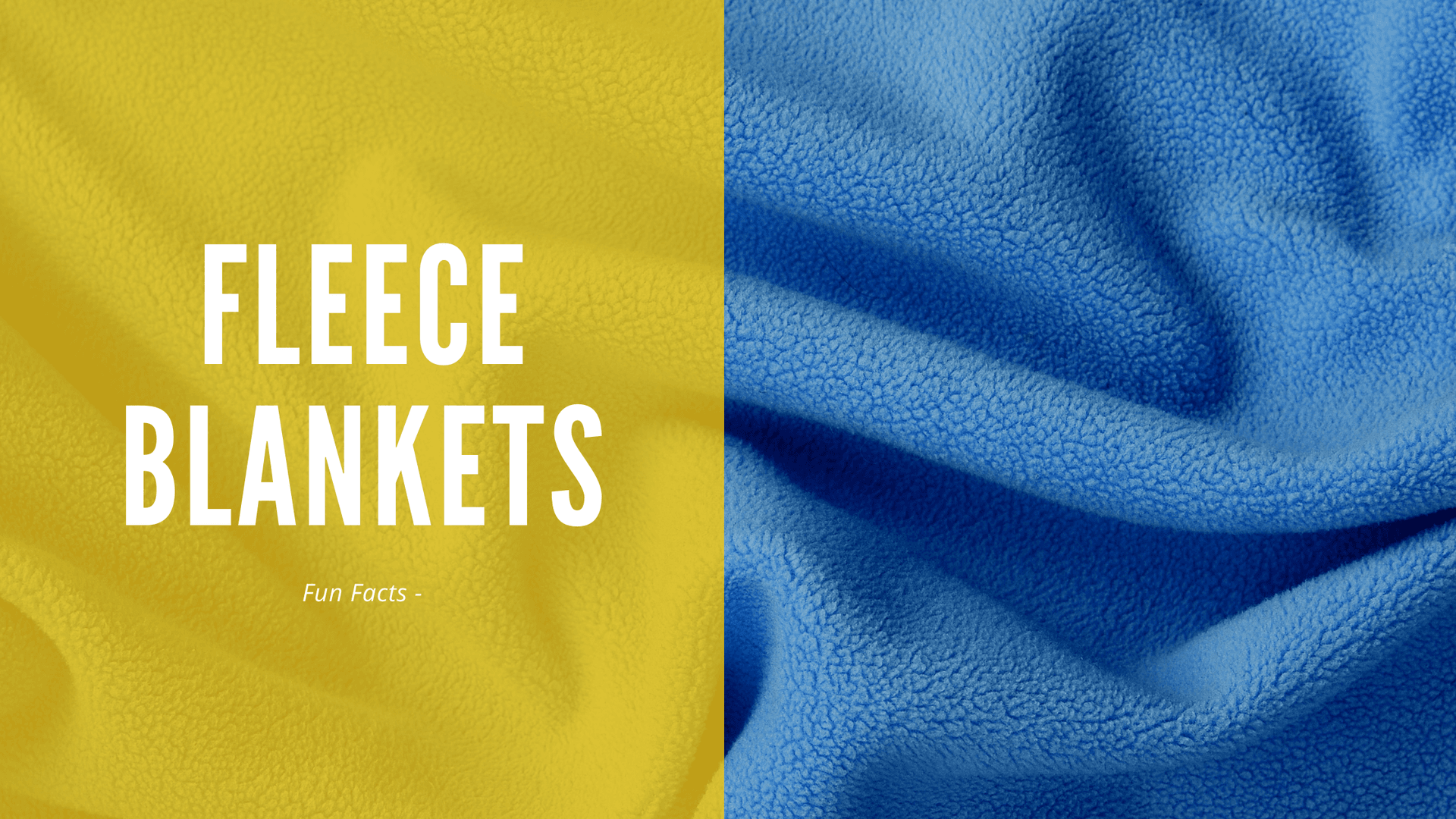

Explore some fun facts about Fleece blankets with us
In this guide:
- How Fleece Blankets Are Made
- Why Fleece Suits Hospitality and Wellness Businesses
- Fleece vs Cotton and Wool for Bulk Orders
- Fleece Care and Durability in Commercial Laundry
- Sustainability and Fleece Blankets
- Frequently Asked Questions
Fleece blankets offer a lightweight alternative to wool and cotton for hotels, spas, and gyms that need warm, quick drying linens. For B2B buyers placing bulk orders of 100 to 500 units, understanding the material's construction and performance is critical. This guide covers how fleece is made, why it works for commercial use, and what to expect in terms of care and longevity.
Fleece blankets are durable, warm, and fast drying. They withstand 300 to 500 commercial washes and provide thermal insulation down to 20°F (-7°C) in high pile versions. Choose recycled fleece for lower environmental impact.
How Fleece Blankets Are Made
Fleece starts as polyester chips derived from petroleum or recycled plastic bottles. These chips are melted at 500°F (260°C) to form a thick syrup. The molten polymer is then forced through tiny holes in a metal spinneret. Each hole is about 0.3 millimeters wide. As the liquid strands hit the cold air, they solidify into continuous fibers. This process is identical for all polyester based fleece, from polar to microfleece.
The fibers are then cut into short staple lengths and carded into a web. The web is fed through a knitting machine that interlocks the fibers. After knitting, the fabric passes through a raising machine equipped with tiny hooks. These hooks pull fibers to the surface, creating the soft, lofty pile that traps air and provides insulation. The result is a fabric with a GSM weight ranging from 150 GSM for lightweight travel blankets to 350 GSM for heavy winter throws.
Color is added during the polymer stage as masterbatch pigment. This means the color is locked into the fiber and resists fading even after 200 wash cycles. For commercial buyers, this consistency in color fastness is a key advantage. You can order fleece blankets in any standard PMS color and expect uniform shade across an entire run of 500 units. The production process also allows for antimicrobial treatments like silver ion infusions, which are common in spa and healthcare settings.
Why Fleece Suits Hospitality and Wellness Businesses
Hotel housekeeping managers need linens that dry fast after laundering. Fleece dries 40% faster than cotton, saving energy and labor. A typical cotton blanket requires 45 minutes in a commercial dryer at 160°F (71°C). A fleece blanket of the same size dries in 25 minutes at 130°F (55°C). This cuts drying costs by nearly half. For a hotel with 200 rooms, the annual savings in gas and electricity can exceed several thousand dollars.
Spa operators value fleece for its softness against the skin after treatments. A 200 GSM polar fleece blanket feels plush without smothering the client. The fabric's breathability prevents sweating during massages. And because fleece wicks moisture away from the body, it stays dry even in humid spa environments. You can use the same blankets for both treatment tables and relaxation lounges, reducing inventory complexity. We also offer wholesale bath towels and wholesale beach towels that coordinate with our fleece line.
Gym and fitness center managers need blankets that resist odors from sweat and repeated use. Fleece's polyester base does not absorb oils and bacteria like cotton does. With proper laundering using an antimicrobial detergent, fleece maintains its freshness for over 300 cycles. Some manufacturers add permanent odor control agents at the fiber stage. These agents last the life of the blanket. For high turnover environments, this reduces the frequency of deep cleaning and replacement.
Fleece vs Cotton and Wool for Bulk Orders
Cotton blankets absorb up to 27 times their weight in water. This makes them heavy when wet and slow to dry. A wet cotton blanket can take twice as long in the dryer as fleece. For a laundry room processing 500 blankets per day, that extra time adds up. Fleece absorbs less than 1% of its weight in water, so it stays lightweight even when freshly washed. This also reduces the strain on washing machine drums and bearings.
Wool blankets offer natural insulation but require special care. Wool shrinks and felts if washed in hot water above 120°F (49°C). Many B2B buyers avoid wool because it triggers allergies in guests. Fleece is hypoallergenic and resistant to dust mites and mold. The material passes ASTM E2149 testing for antimicrobial activity. At a similar GSM weight of 250, fleece matches wool's thermal resistance but costs 40% less per unit. For a hotel purchasing 300 blankets, that is a substantial savings.
Fleece also outperforms both cotton and wool in color retention. Cotton dyes fade after 50 to 80 hot washes. Wool loses brightness after repeated dry cleaning. Fleece's solution dyed method ensures colors stay vibrant for the life of the blanket. An independent study by a textile lab showed that fleece retained 95% of its original color after 100 industrial wash cycles. This is critical for spas and hotels that want a consistent brand image year after year.
Fleece Care and Durability in Commercial Laundry
Fleece is forgiving in commercial laundry systems. The recommended wash temperature is 105°F (40°C) for standard soil loads. For heavy soil like grease or makeup, you can increase to 120°F (49°C) without damaging the fibers. Use a low alkalinity detergent with a pH between 8 and 10. High alkalinity above pH 11 can cause yellowing over time. Never use chlorine bleach. It degrades polyester and causes pilling. Oxygen bleach is safe at concentrations up to 2% by weight.
Drying temperature should stay below 140°F (60°C). Higher heat can warp the fibers and reduce loft. A standard commercial dryer at 130°F (55°C) with a 30 minute cycle works well. Fleece does not require ironing. If wrinkles appear from folding, a light steam at 200°F (93°C) from a garment steamer removes them without contact. The fabric's tensile strength per ASTM D5034 is 180 pounds per square inch for a 200 GSM blanket. This means it stands up to the mechanical action of industrial washers.
Pilling and fabric balls do occur after many washes, especially if lint filters are not cleaned regularly. But high quality fleece resists pilling for at least 150 cycles. You can reduce pilling by washing fleece with other synthetic fabrics only. Avoid mixing with terry cloth towels or denim. Following these care steps ensures a minimum of 300 commercial washes before the blanket loses its soft feel or thermal properties. For a spa replacing blankets annually, that is a three year lifespan.
Sustainability and Fleece Blankets
Many fleece manufacturers now offer recycled polyester made from post consumer PET bottles. This process uses 60% less energy than virgin polyester production. It also reduces water consumption by 80%. For a blanket made with 100% recycled fiber, the carbon footprint is about 2.5 kg CO2 equivalent per kilogram of fabric. That compares to 6 kg CO2 for virgin polyester and 10 kg for wool. Choosing recycled fleece for bulk orders can help a hotel chain meet corporate sustainability goals.
Fleece is not biodegradable, but its long service life offsets disposal impact. A blanket that lasts 300 washes instead of 100 means two thirds less waste. When fleece finally wears out, it can be mechanically recycled into new fiber. The recycling process shreds the fabric, melts it, and extrudes new filament. Some companies accept end of life fleece for closed loop recycling. This keeps material out of landfills. The Federal Trade Commission has guidelines for recycled content claims that we follow closely. FTC environmental marketing guides provide clear standards for labeling.
Microplastic shedding remains a concern. Washing synthetic fabrics releases tiny fibers into wastewater. A single fleece blanket can shed up to 1.7 grams of microplastic per wash. Using a front loading commercial washer reduces shedding by 30% compared to top loaders. Washing in cold water at 86°F (30°C) also cuts shedding by 50% compared to hot cycles. We recommend pairing fleece with a microplastic filter. The Environmental Protection Agency offers research on best practices for textile microfibers. EPA research on microfiber pollution is a valuable resource for operations managers looking to lower environmental impact.