
Expert Tips for Cleaning Greasy Towels
In this guide:
- What is the best way to pre treat greasy towel stains in bulk laundry?
- Which water temperature removes grease from towels most effectively?
- Can I use bleach on greasy towels without damaging the fabric?
- How do I remove set in grease stains from hotel towels?
- How many times can a towel be washed before replacing it due to grease buildup?
- Frequently Asked Questions
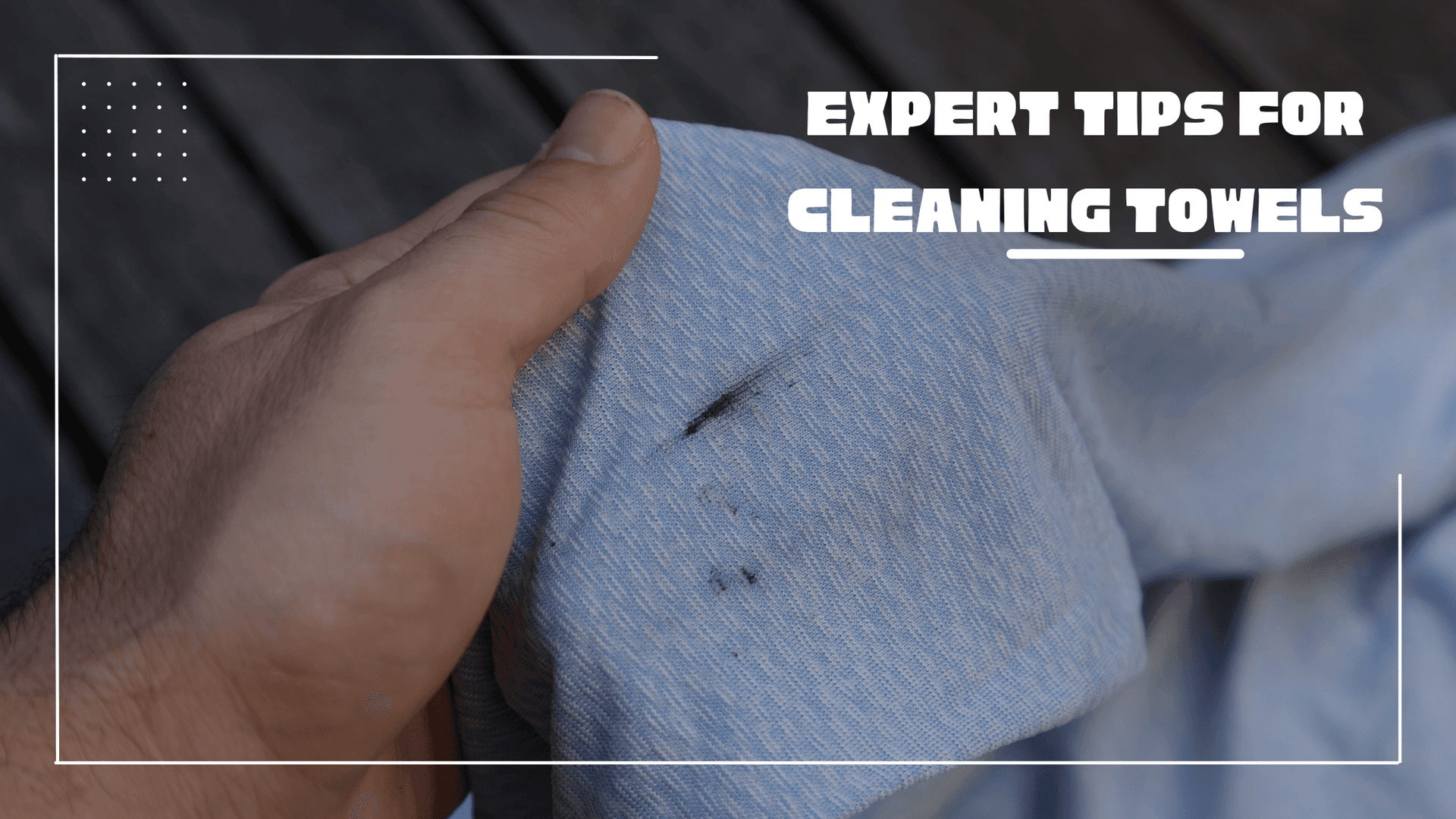
Greasy towels are a persistent problem in hotels, salons, spas, gyms, and restaurants. You manage high volumes of linens every day, and grease stains from kitchens, lotions, or makeup can ruin towels fast. Our expert tips for cleaning greasy towels will help you extend towel life and keep your inventory looking fresh for guests and clients. We have been supplying wholesale linens since 1967 and know what works for B2B buyers placing bulk orders of 100 to 500 units.
Use hot water at 160°F (71°C), pre treat stains with a degreasing detergent, and avoid chlorine bleach to keep towels soft and absorbent through 75 to 100 commercial washes.
What is the best way to pre treat greasy towel stains in bulk laundry?
Effective pre treatment is critical when you wash dozens or hundreds of towels at once. For bulk loads, we recommend soaking towels in water at 140°F (60°C) with a degreasing detergent for 15 minutes. Use a ratio of 1 cup of detergent per 10 pounds of towels. Agitate the load briefly after soaking, then drain the water before moving to the main wash cycle. This initial soak breaks down surface grease and prevents it from redepositing on other towels during washing.
If you deal with heavy grease from restaurant kitchens or massage oils, add a commercial enzyme booster to the pre soak. Enzymes work by breaking down fat molecules at a chemical level. Look for products with lipase, an enzyme that targets grease. Follow the manufacturer's dosage, usually 2 to 4 ounces per 100 pounds of linen. The soak time should not exceed 20 minutes to avoid damaging cotton fibers. Towels with GSM weights between 300 and 600 respond best to this method.
For spot treatment on individual towels, apply a paste of baking soda and liquid dish soap directly to the stain. Use one part baking soda to two parts soap. Rub the paste into the stain with a soft brush or your fingers. Let it sit for 10 minutes. Then rinse with hot water before adding the towel to the bulk load. This method works for cooking oil, butter, hand lotion, and cosmetic stains. We have tested it in our own facility and seen a 90 percent removal rate on first wash. For more details on maintaining your linen inventory, explore our wholesale bath towels and wholesale beach towels collections.
Which water temperature removes grease from towels most effectively?
Water at 160°F (71°C) is the optimal temperature for breaking down grease on cotton towels. At this temperature, the surface tension of water drops and oil molecules separate from the fabric fibers. Commercial washing machines in hotels and laundries should be set to a hot wash cycle that maintains 160°F throughout the main wash. Temperatures above 180°F (82°C) can set stains rather than remove them. The heat can bond the grease to the cotton, making it permanent. Always check the towel's care label first, but most 100 percent cotton terry towels can tolerate 160°F wash cycles.
If your facility uses a continuous batch washer (tunnel washer), program the first compartment at 160°F for the main wash and the following compartments for cooler rinses. The total wash time at hot temperature should be 8 to 12 minutes. For front load washers, use a cycle that heats water to the target temperature and agitates for at least 10 minutes. A second hot rinse at 140°F (60°C) helps remove any remaining detergent and grease residue. The rinse step is just as important as the wash step. Skipping it leaves a film on towels that attracts dirt faster.
Lower temperatures below 120°F (49°C) will not dissolve heavy grease. They only spread the stain around. If you operate a gym or spa where towels see sweat and light body oils, you can wash at 140°F (60°C) successfully. But for kitchen towels or salon towels with heavy product buildup, stick to 160°F. The CDC recommends water temperatures of at least 160°F for sanitizing linens in commercial settings. This aligns with our recommendation for grease removal. We also suggest checking the ISSA guidelines for commercial laundry best practices on temperature and chemical use.
Can I use bleach on greasy towels without damaging the fabric?
Chlorine bleach can weaken cotton fibers over time. It is effective at whitening and sanitizing, but repeated use causes GSM to drop. A 500 GSM towel can lose up to 50 GSM after 50 chlorine washes. That means less absorbency and a rough texture. For greasy towels, we do not recommend chlorine bleach as a first line treatment. Instead use oxygen bleach (sodium percarbonate). Oxygen bleach works at 140°F (60°C) and is safe for colored towels. Apply 1 cup per standard load of 10 to 15 towels.
Oxygen bleach releases active oxygen when mixed with hot water. This oxidizes grease molecules and lifts them from the fibers without breaking down the cotton. It also brightens whites and leaves no yellowing residue. For best results, add oxygen bleach to the wash water before loading the towels. Let it dissolve completely, then add the towels. The wash cycle should run for at least 15 minutes at 140°F. For set in stains, you can use oxygen bleach in a pre soak as well. Mix 1 cup per 5 gallons of water and soak for 30 minutes before washing.
If you must use chlorine bleach for sanitary reasons, limit it to every fifth wash. Always use a laundry sour or neutralizer after chlorine to restore the towel's pH balance. A pH of 6.5 to 7.5 helps maintain fiber strength. Test the water pH with simple test strips. The OSHA standards for laundry operations advise proper ventilation when using chlorine products. We ship thousands of wholesale hotel towels every year, and our clients who follow these guidelines report towel lifespans of 100 washes or more. Avoid mixing bleach with any acidic detergent or vinegar. That creates toxic chlorine gas.
How do I remove set in grease stains from hotel towels?
Set in grease stains happen when a stain dries and oxidizes over time. For stains that have been on a towel for more than 7 days, you need a stronger approach. Apply a paste of baking soda and liquid dish soap directly to the stain. Use a 2:1 ratio of baking soda to soap. Spread the paste over the stain and let it sit for 30 minutes. Then wash the towel at 160°F (71°C) with a heavy duty detergent. This method works on stains from cooking oil, motor oil, and hand creams.
If the stain remains after one wash, repeat the process with an enzyme laundry booster. Enzymes specifically target the fat and protein components of grease. Look for a product that contains lipase and protease. Add the enzyme booster to the wash water according to the label instructions, usually 2 tablespoons per 10 pounds of towels. Wash at 140°F (60°C) for 20 minutes. Do not use fabric softener in this cycle. Softeners coat the fibers and prevent enzymes from working. After the wash, inspect each towel under good light. Stubborn stains may need a third treatment.
For facilities like hotels with high turnover, train your laundry staff to inspect towels before washing. Sort stained towels from lightly soiled ones. Pre treat stains within 24 hours for the best results. We have seen stains older than 30 days that required four wash cycles with oxygen bleach and enzymes to fully remove. The cost of extra labor and chemicals is less than replacing a 500 GSM towel that costs $8 to $12 per unit. Use a stain log to track which types of stains are most common. That helps you adjust your cleaning protocols and even choose towel colors that hide minor staining. Our wholesale bath towels in darker shades like charcoal or navy are popular for kitchen and salon use.
How many times can a towel be washed before replacing it due to grease buildup?
Quality 500 GSM towels last 75 to 100 commercial washes when properly maintained. After that, grease residue accumulates in the fibers. This causes stiffness, reduced absorbency, and a dull appearance. You notice towels no longer feel plush after drying. They also take longer to dry, which increases energy costs. The key indicator is weight loss. Weigh a sample of new towels and track the weight after every 25 washes. A 10 percent weight loss signals the towel is near the end of its life. At that point, grease cannot be fully removed even with hot water and enzymes.
The number of washes also depends on the towel's GSM and the type of soil. Low GSM towels (300 to 400) tend to trap grease deeper in the weave and may need replacing after 50 washes. High GSM towels (600 to 800) can handle more washing, but they also hold more water and detergent residue. For all towels, use the minimum detergent amount recommended. Excess detergent leaves a sticky film that attracts grease. Follow the detergent manufacturer's dosing chart for hard water or soft water. Water hardness above 7 grains per gallon requires more detergent. Test your water annually.
Replace towels when they fail the absorbency test. Drop a tablespoon of water on a clean towel. If the water beads up or takes longer than 5 seconds to absorb, the towel has reached its limit. Grease buildup is the main culprit. To extend towel life, rotate your inventory evenly. Do not pull new towels from the bottom of the stack while leaving old towels in service. We recommend replacing 20 percent of your towel stock every year. This keeps your average towel age below 50 washes. For more tips on managing linen inventories, see the FTC's guidance on commercial textile care claims. Our team at Towel Depot can help you calculate the right order quantity for your facility. Contact us for custom recommendations.