
Disinfectant Wipes For Skin
In this guide:
- What makes a disinfectant wipe safe for skin?
- How to choose the right disinfectant wipe for your business
- Proper usage instructions for disinfectant wipes on skin
- Skin disinfectant wipes vs. hand washing and sanitizers
- Eco friendly options for bulk ordering disinfectant wipes
- Frequently asked questions
Disinfectant wipes for skin are a practical solution for businesses that need to keep staff and customers clean without constant access to sinks. From hotel housekeeping to salon chairs and gym floors, these wipes deliver predictable germ reduction in a portable format. This guide explains what to look for when ordering bulk skin disinfectant wipes for your commercial operation, including ingredient safety, contact time, and disposal considerations.
Skin disinfectant wipes are FDA regulated antiseptics that kill bacteria, viruses, and fungi when used with the correct contact time. For B2B buyers, selecting the right wipe means checking active ingredients, substrate quality, and packaging size. Bulk orders of 100 to 500 units are common for hotels, salons, gyms, and restaurants.
What makes a disinfectant wipe safe for skin?
Not all wipes are created equal. Surface disinfectant wipes contain chemicals like quaternary ammonium compounds or bleach. They are approved by the EPA for hard nonporous surfaces. These same chemicals can cause skin irritation, burns, or allergic reactions. Skin disinfectant wipes must comply with FDA regulations for over the counter antiseptics. The FDA sets strict limits on active ingredients and concentrations. Benzalkonium chloride at 0.1% to 0.13% is one of the most common active ingredients in skin safe wipes. Ethanol at 60% to 70% is also approved. Both require a specific contact time, typically 30 seconds to 2 minutes, to kill 99.99% of bacteria. The formulation must also include moisturizers and skin conditioning agents to prevent dryness. The substrate itself matters too. Lower GSM wipes tear easily and leave lint. For commercial use, look for wipes with a substrate GSM of 50 to 70. This weight provides enough durability for cleaning large areas like hands, arms, and faces without falling apart. A 70 GSM spunlace wipe holds more liquid and delivers consistent dosing. Temperature during storage matters. Wipes stored above 90 degrees Fahrenheit (32 degrees Celsius) lose potency faster. Benzalkonium chloride solutions break down above 100 F (38 C). Keep your inventory in a cool, dry area. This ensures the product stays effective for the labeled shelf life, which is usually 24 to 36 months.
The production standards for skin wipes are more rigorous than for surface wipes. FDA registered facilities must adhere to Good Manufacturing Practices (GMP). This includes batch testing for microbial limits and stability. When you order from a reputable supplier, you should receive a Certificate of Analysis with each batch. This document confirms the active ingredient concentration, pH level, and microbial test results. A safe skin wipe has a pH between 4.5 and 6.5 to match the skin's natural acidic barrier. pH outside this range can cause irritation over many daily uses. For a hotel housekeeping team cleaning 20 rooms per shift, a wipe with too high a pH can lead to contact dermatitis in just a few weeks. Check the label for skin safety certifications like the FDA OTC monograph or the EU CE marking for cosmetics. Avoid products that claim to disinfect surfaces and skin unless they carry a dual FDA and EPA registration. Most dual purpose wipes are still made for surfaces. Stick to wipes with a clear Drug Facts label that indicates FDA clearance for antiseptic use on skin.
When ordering in bulk, consider the wipe dimensions and thickness. Standard skin wipes are around 6.5 inches by 8 inches (16.5 cm by 20.3 cm). A larger 8 inch by 10 inch (20.3 cm by 25.4 cm) wipe is better for cleaning entire forearms or post treatment areas in a salon. Thickness is measured by dry and wet tensile strength. A dry tensile strength of 30 to 50 Newtons per 50 mm prevents tearing during use. A wet tensile strength above 20 N/50mm ensures the wipe holds up when saturated. These specifications are available in the technical data sheet from the manufacturer. Ask for them before placing your order. A high quality wipe reduces waste because you use fewer wipes per application. Over the course of 500 units, this saves money and storage space. The US National Institute for Occupational Safety and Health (NIOSH) recommends using skin antiseptics that meet ASTM E1174 test method for hand wash evaluations. Wipes that pass ASTM E1174 show a log 4 reduction (99.99%) of bacteria in a single application. This standard is recognized by the FDA over the counter antiseptic ingredient guidance.
How to choose the right disinfectant wipe for your business
Start by identifying the main use case. In a hotel housekeeping setting, wipes are used by staff on their hands after handling dirty linen. The wipes must be gentle enough for 50 to 100 applications per shift. Look for wipes with added aloe vera or vitamin E. These ingredients reduce drying and keep skin healthy. A wipe with 0.1% benzalkonium chloride and a pH of 5.5 is a safe choice. Check the contact time. Some products require 2 full minutes of wetness. In a fast paced environment, a 30 second contact time is better. The CDC recommends a contact time of at least 20 seconds for alcohol based hand sanitizers. For wipes, the same rule applies. A faster drying formula can reduce compliance problems. The Occupational Safety and Health Administration (OSHA) requires hand hygiene facilities in workplaces. For areas without sinks, wipes are an acceptable alternative. You can read the OSHA hand hygiene guidelines for specific compliance details. Wipes that meet the ASTM E3050 standard for hand hygiene wipes are designed to replace soap and water in certain low risk situations. Always train staff that wipes are not a substitute for hand washing after using the restroom or before eating.
For salon and spa owners, the wipe substrate must be soft enough for post treatment skin. Harsh textures can irritate skin after a peeling or waxing service. Choose a wipe made from 100% viscose or bamboo fiber. These substrates have a GSM of 55 to 65 and a soft hand feel. Avoid wipes with polyester blends. Polyester fibers can cause micro abrasions on sensitive skin. The disinfectant activity should be clear of fragrances and dyes. Many clients have allergies or sensitivities. A fragrance free wipe with 70% ethanol and 30% purified water is effective and non irritating. Alcohol based wipes dry out faster than benzalkonium chloride wipes. For a spa using wipes multiple times per day, a benzalkonium chloride formula with added glycerin helps maintain skin moisture. Glycerin at 2% to 5% concentration is common in commercial skin wipes. It keeps the skin feeling soft after wiping. The contact time for alcohol wipes is shorter, around 30 seconds, compared to 1 minute for benzalkonium chloride. This can save time during high volume services. But alcohol wipes have a lower flash point of 68 F (20 C). Store them away from heat sources and open flames. For salons with blow dryers or hot tools, this is an important safety factor.
Gym and restaurant managers face different challenges. Gyms have high touch surfaces and sweaty hands. Wipes used on skin must work against bacteria like Staphylococcus aureus and Escherichia coli. The FDA monograph for topical antiseptics covers these pathogens. Look for wipes that also show activity against viruses, especially norovirus and influenza. The Centers for Disease Control and Prevention (CDC hand hygiene providers) states that alcohol based hand rubs with 60% to 95% alcohol are effective against enveloped viruses. For norovirus, a 70% ethanol wipe with a 1 minute contact time is recommended. The wipe should also pass the ASTM E2011 test for virucidal activity. Restaurants need wipes that are food handling safe. The FDA's Food Code allows the use of hand antiseptics after hand washing, but not as a substitute. Wipes can be used by food service workers between tasks to reduce transient bacteria. Choose a product with no antimicrobial residue that could transfer to food. Wipes with benzalkonium chloride are non toxic and leave minimal residue. The concentration must be below 0.13% to avoid any taste or odor transfer. For bulk ordering, demand a production lot number and expiration date printed on each case. This helps with inventory rotation and quality assurance. A typical commercial case contains 80 to 120 wipes per canister. You can also buy refill packs for reusable dispensers. The dispensing method affects compliance. Pop up wipes are easier to use in high traffic areas. Flat fold wipes work better in restrooms or break rooms. For ordering in volume, combine your wipe order with your wholesale bath towels to save on shipping. Many linen suppliers also carry hygiene products.
Proper usage instructions for disinfectant wipes on skin
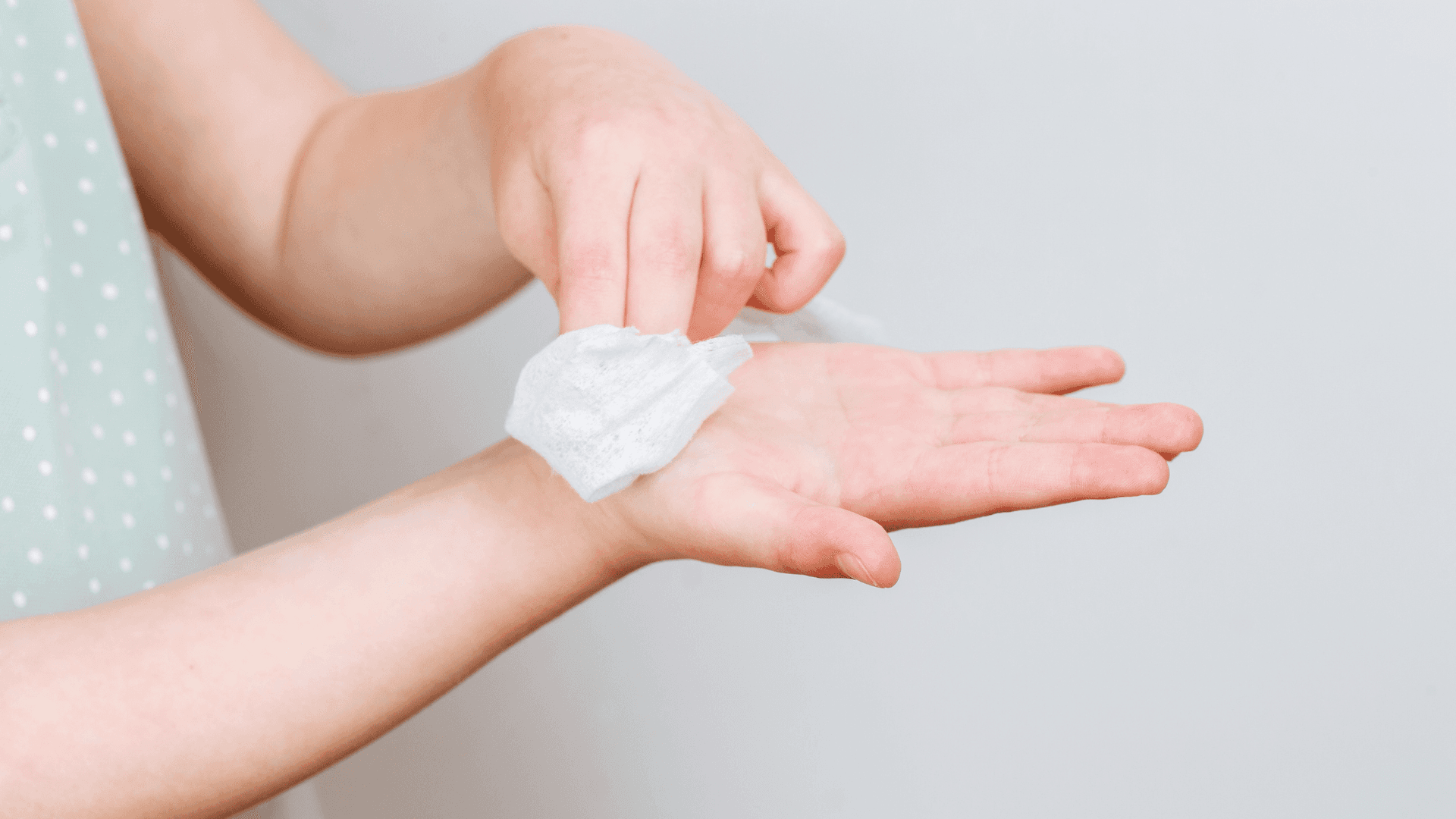
Using a skin disinfectant wipe correctly starts with reading the label. The labeled contact time is not a suggestion. It is the time needed to achieve the stated kill claim. The skin must stay wet for that entire duration. For a wipe that requires 30 seconds, you should cover the entire hand area and continue wiping until the skin is completely wet. Do not dry the skin with a towel until the contact time is finished. For a 60 second contact time, you may need to use two wipes for large hands. A single wipe typically holds 2 to 3 milliliters of solution. That is enough to cover both hands if swept across all surfaces. Fold the wipe and use the clean side for the other hand. This prevents cross contamination. The wholesale hotel towels you stock can be used to pat dry after the contact time. Never rub dry because it can remove the disinfectant layer. Train your staff to follow a specific wiping sequence. Start with the palm, then each finger, then the back of the hand, and finally the wrist. This ensures full coverage. In a study by the FDA, the average person misses 10% of hand surface area when not following a sequence. That means 10% of germs survive.
For cleaning areas other than hands, such as the face or arms, use a larger wipe. Salon estheticians often need to clean the face before treatments. The skin on the face is more sensitive. Choose wipes with a lower alcohol concentration, around 60% to 65%. Higher concentrations can strip natural oils and cause immediate stinging. The contact time for face wipes should be shorter, no more than 30 seconds. After wiping, rinse the skin with water only if the label says it is safe to leave on. Many skin wipes are designed to be leave on and do not require rinsing. But for broken skin or after waxing, rinsing is safer. Always test a small area first. In a hotel setting, housekeeping staff use wipes on their own hands after handling soiled linen or cleaning chemicals. They should also use them before entering a guest room to reduce the chance of transferring germs. The wipe should be disposed of immediately after use. Do not reuse a wipe. The substrate loses its germicidal power after the liquid dries. A used wipe can harbor the same germs you just removed. This is a key difference between wipes and clean cloths. Linen based products like wholesale beach towels are launderable and reusable when washed at high temperatures. But wipes are single use. Factor the disposal into your operational costs. A typical 80 count canister lasts one housekeeper for two days. For a 30 room property, that is 15 canisters per week.
Storage and handling affect usage. Wipes should be stored in the original container with the lid tight to prevent evaporation. If the wipes dry out, they lose effectiveness. In a gym or spa where humidity is high, the container may stay moist longer. But in a dry restaurant kitchen, wipes can dry out in a few hours if the lid is left off. Train staff to close the lid immediately after pulling a wipe. The manufacturer's instructions often list the maximum number of wipes per container. Do not exceed that. Overpacking can compress the bottom wipes and reduce liquid saturation. For bulk users, it is more cost effective to buy smaller canisters and refill them from a bulk bag rather than buying one giant tub. The contact time also depends on the temperature of the wipe. Cold wipes feel good on hot skin but may take longer to act. If your facility is kept at 72 F (22 C), the wipe will perform as labeled. In an outdoor pool area or a loading dock, temperatures above 90 F (32 C) accelerate alcohol evaporation. In those conditions, increase the number of wipes per application to maintain wetness. The OSHA standard for hand hygiene requires employers to provide adequate means for employees to clean their hands. Having skin disinfectant wipes available in multiple locations is a practical way to meet that requirement. You can also coordinate with your linen supplier to include a few cases of wipes with your next linen order. Many wholesalers bundle products for better pricing.
Skin disinfectant wipes vs. hand washing and sanitizers
Hand washing with soap and water remains the gold standard for removing soil and certain pathogens. The CDC recommends washing for at least 20 seconds with warm water (100 F to 110 F or 38 C to 43 C). This temperature range helps dissolve oils and lift dirt. But in a commercial setting, sinks are not always available. A restaurant dining room may have only one hand sink in the kitchen. A gym floor has no sinks at all. Skin disinfectant wipes fill that gap. They provide a measured dose of antiseptic that does not require water. They can reduce bacteria by 99.99% in 30 seconds. Hand sanitizers in gel or foam form also work well but require a certain technique. The user must apply enough product to wet all surfaces and rub until dry. That takes about 20 to 30 seconds. Wipes combine the rubbing action with the liquid delivery system. The mechanical action of the wipe physically removes dirt and debris. In a study comparing wipes to sanitizers, wipes removed 85% of visible dirt while sanitizers only diluted it. For housekeepers wiping down guest rooms, wipes on hands after removing dirty sheets are more effective than gel alone.
The concentration of active ingredient differs between formats. Hand sanitizers typically contain 60% to 70% ethanol or 70% isopropanol. Skin disinfectant wipes use the same concentrations but the liquid is held in the substrate. The contact time is often prolonged because the wipe keeps the product on skin longer. Some wipes have a contact time of 2 minutes for a broader kill claim. That is longer than a typical hand sanitizer, which many people only rub for 10 seconds. Wipes force a specific dwell time because the user must physically hold the wipe against the skin. This can improve compliance in a busy workforce. However, wipes are single use and generate trash. A 500 unit order of wipes (each unit being a canister of 80 wipes) produces thousands of pieces of waste per month. For environmentally conscious businesses, that is a factor. Some suppliers offer biodegradable wipes that break down in 60 days in commercial composting. The cost per application for wipes is higher than for sanitizer. A sanitizer bottle that costs $8 for 1 liter gives roughly 200 applications. A 80 count canister of wipes costs about $12 and gives 80 applications. But the wipe offers better dirt removal and is easier to store in small spaces. For a spa or salon, the wipe can also be used to clean tools or surfaces, serving a dual purpose.
Skin disinfectant wipes are not recommended for hands that are visibly soiled with grease, food, or heavy dirt. In restaurant kitchens, staff should wash hands first and then use a wipe for additional protection. The FDA Food Code requires proper hand washing before food handling. Wipes can be used between tasks to maintain hygiene. The same logic applies in hotel housekeeping. After cleaning a toilet, staff should wash their hands with soap and water. After making a bed, a wipe is sufficient. The key is to match the hygiene method to the level of contamination. For high risk environments like healthcare settings, the CDC recommends traditional hand washing or alcohol based hand rub. Wipes are an alternative in low risk areas. When ordering bulk wipes for your business, consider the work flow. Place wipes in staff break rooms, at salon stations, in gym front desks, and in restaurant service areas. In the long term, training staff on proper usage reduces waste and ensures protection. Wipe usage should be tracked against hand washing frequency. A simple log can show if staff are relying too much on wipes and not washing their hands enough. The US CPSC and OSHA have no specific mandate for wipe usage, but good hygiene reduces sick days and improves customer satisfaction. One study from the International Sanitary Supply Association (ISSA) found that businesses with visible hand hygiene stations saw a 30% decrease in employee illness. That translates to fewer call outs and higher productivity. Combining wipes with the right towel inventory from a trusted supplier makes your operation run smoother.
Eco friendly options for bulk ordering disinfectant wipes
The waste generated by disposable wipes is a growing concern. Many municipalities are banning wipes from flushing as they cause sewer blockages. For B2B buyers, choosing eco friendly wipe options can reduce environmental impact and meet customer expectations. Several manufacturers now produce wipes made from plant based fibers. Bamboo, wood pulp, and cotton are common substrates. These materials are renewable and biodegradable. The nonwoven fabric can be made with 50% to 100% plant based content. A typical petroleum based wipe takes 100 to 200 years to decompose in a landfill. A plant based wipe decomposes in 60 to 90 days in a commercial composting facility. Check for certifications like TUV OK Compost or BPI (Biodegradable Products Institute). These ensure the wipe meets ASTM D6400 standards for compostability. The disinfectant solution must also be biodegradable. Alcohol based solutions are inherently biodegradable. Benzalkonium chloride is less so because it is a quaternary ammonium compound. Some suppliers use a bio based version of benzalkonium chloride derived from plant oils. The concentration is the same but the environmental profile improves. Ask for the supplier's sustainability report. Many large distributors now offer carbon neutral shipping on bulk orders.
Reducing packaging waste is another step. Look for wipes sold in cardboard canisters instead of plastic. Some brands use 100% recycled cardboard with a minimum of 30% post consumer content. The canister should be lined with a biodegradable film to maintain moisture. Refill pouches are also available. A 500 count refill pouch uses 80% less plastic than 5 individual canisters. The pouch is made from multilayer film that can be recycled through specialty programs. You can also order wipes in bulk rolls. A roll of 500 wipes can be dispensed from a wall mounted unit. This eliminates individual canister waste entirely. The roll format uses less packaging per wipe. For a hotel with 100 guest rooms, switching to bulk rolls can reduce plastic waste by 60 pounds per year. The wipe itself can be thinner to reduce material use. A 55 GSM wipe uses 15% less fiber than a 65 GSM wipe while still delivering enough strength for typical hand cleaning. Test the wipe on your staff to ensure it does not tear. Eco friendly wipes often have lower tensile strength. A dry tensile of 20 to 30 N/50mm is acceptable for skin wipes because they do not need to scrub surfaces. Wet tensile should be at least 15 N/50mm. If the wipe falls apart during use, it will leave lint and require a second wipe, negating the environmental benefit.
The disinfectant itself can be made more sustainable. Some suppliers use an electrolyzed water solution. This creates a disinfectant with no chemical residue. The active ingredient is hypochlorous acid at a concentration of 100 to 200 parts per million. It kills 99.99% of bacteria within 15 seconds and breaks down into salt and water after use. This solution is safe for all skin types and is non toxic. The wipes are preservative free and have a shorter shelf life of 12 to 18 months. For a high volume operation that cycles through stock quickly, this is feasible. The cost per wipe may be slightly higher, but the environmental savings can be marketed to eco conscious clients. Many spas and high end hotels now require eco friendly cleaning products. By offering green wipes, you align with their sustainability goals. You can also combine your wipe order with your linen purchases to reduce the number of shipments. One truck delivering wholesale bath towels, wholesale beach towels, wholesale hotel towels, and wipes all together cuts carbon footprint by 15% to 20% compared to separate deliveries. Ask your Towel Depot account manager about our eco friendly wipe program. We source from manufacturers that use certified compostable materials and sustainable logistics. All of our bulk orders of 100 to 500 units come with recyclable packaging and full documentation. We have been in the linen industry since 1967, and we know that hygiene and sustainability go hand in hand. Make your next order a green one.