
Choosing Rags for Painting Jobs
In this guide:
- What type of rag is best for painting jobs?
- How do I test the absorbency and durability of painting rags?
- What sizes and weights should I consider for bulk rag orders?
- How do I clean and maintain painting rags?
- Are there eco friendly options for painting rags?
- Frequently asked questions
Choosing the right rags for painting jobs can save you time and money. Whether you are a hotel housekeeping manager prepping rooms for touch ups or a restaurant buyer cleaning kitchen walls, the correct rag makes the difference between a professional finish and wasted product. Towel Depot has supplied commercial linen and rags since 1967, and we know the specifics that matter to B2B buyers.
For most painting jobs, use lint free t shirt rags with a GSM of 180 to 250. Test absorbency by dampening and pressing. Wash at 140 F (60 C) and avoid bleach. Recycled options perform just as well as virgin cotton.
What type of rag is best for painting jobs?
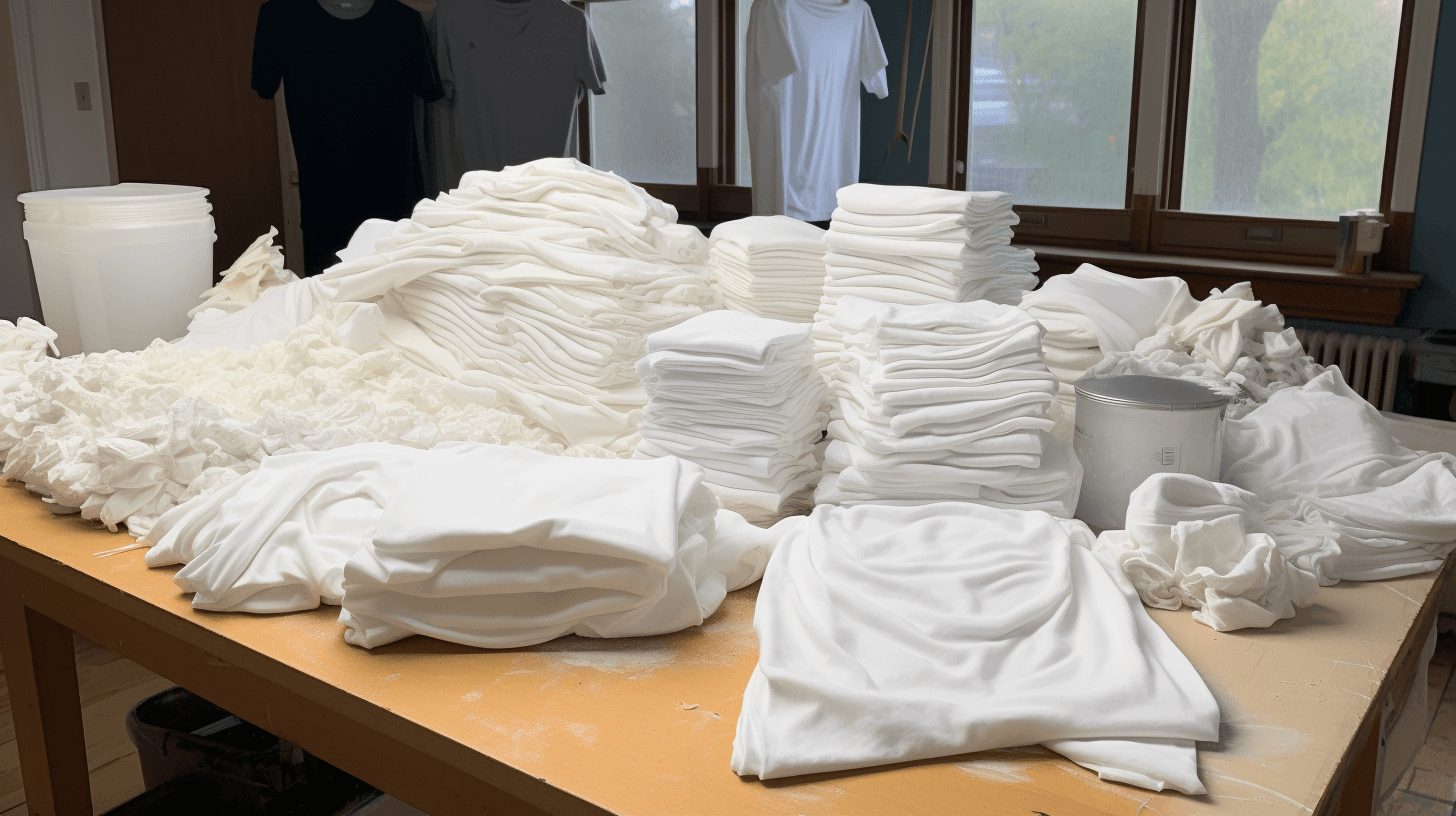
The best rag for painting jobs depends on the paint type and the surface. For oil based paints and stains, a lint free cloth is essential. Lint free means the fabric is tightly woven so fibers do not shed into the wet paint. T shirt rags are the most popular choice in the industry. They are made from 100% cotton jersey knit, the same material used in t shirts. This fabric is soft, absorbent, and produces almost no lint after the first wash. Towel Depot sells t shirt rags by the pound, from 50 pound boxes up to 1000 pound bales. These rags work well for applying stain, wiping excess paint, and cleaning brushes. They hold up through 20 to 30 wash cycles without losing absorbency.
For water based paints like latex, microfiber cloths are an excellent alternative. Microfiber has a high surface area that traps dust particles before painting and picks up wet paint without smearing. A microfiber rag with a GSM of 300 can absorb three times its weight in water. This makes it ideal for cleaning spatters or wiping down walls before a second coat. However, microfiber does not hold up as well to solvents. If you use lacquer thinners or acetone, stick with cotton t shirt rags. Disposable paper towels are convenient but not cost effective for large jobs. A single roll of heavy duty paper towels costs around five dollars and covers maybe 200 square feet. T shirt rags cost less per use and can be reused dozens of times. For a property manager handling 50 guest rooms per week, switching to reusable rags cuts supply expenses by 40 percent.
Another consideration is the texture of the rag. Smooth knits like t shirt material leave a consistent finish. Terry cloth or waffle weave rags have loops that can drag paint and create texture. Avoid those for final coat work. For detailed trim or cabinets, use a tightly woven cotton rag with a GSM of 200 or higher. The Occupational Safety and Health Administration (OSHA) recommends using rags that do not shred when wiping surfaces contaminated with lead based paint. You can read more about safe paint removal practices on the OSHA lead page. Lint free cotton rags meet this requirement because they hold together under pressure. If you are buying for a restaurant kitchen repaint, the rag must also be heat resistant. Cotton withstands temperatures up to 400 F (204 C) without melting, unlike synthetic blends that can fuse to hot surfaces.
How do I test the absorbency and durability of painting rags?
Testing absorbency is straightforward. Take a dry rag and weigh it on a gram scale. Wet it completely in water, then let it drip for 10 seconds. Weigh it again. The difference divided by the dry weight gives you the absorption ratio. For example, a rag that weighs 50 grams dry and 200 grams wet has a 3:1 ratio. That is good for general painting tasks. T shirt rags from Towel Depot typically achieve a 3.5:1 ratio. To test performance with actual paint, dampen the rag slightly and press it onto a painted test board. It should pick up the liquid without leaving fibers. Durability matters more for commercial buyers who need rags to last through multiple wash cycles. Run a small batch through 10 wash cycles at 140 F (60 C) with a standard detergent. Check the fabric after each cycle. If it pills, frays, or tears, the GSM is too low or the cotton quality is poor. Rags with a GSM of 180 to 250 hold their structure for at least 25 cycles.
Wash cycle count is a key metric for hotel housekeeping managers. A rag used for painting may see heavy soiling from paint, solvent, and dust. The United States Environmental Protection Agency (EPA) provides guidelines on managing solvent soaked rags to prevent fire hazards. You can review those at the EPA used solvent rags page. After washing, the rag should still be pliable and absorb at least 80 percent of its original capacity. We recommend testing at 10, 20, and 30 cycles. At 30 cycles, a good quality t shirt rag retains about 75 percent of its absorbency. Paper towels have no reuse value. Microfiber drops to 50 percent absorbency after 20 washes due to fiber breakdown. Cotton t shirt rags are the most durable choice for painting.
To evaluate texture, rub the rag on a glass surface. A good rag will not scratch. Then apply a thin coat of latex paint to the glass and wipe it off with the rag. Check for streaks or lint. If you see any, the rag is not lint free enough for finishing coats. For sanding dust cleanup, a slightly linty rag can help trap particles. But for final wipe down before paint, use only certified lint free rags. Towel Depot labels its t shirt rags as "low lint" after the first wash removes loose fibers. If you are ordering for a spa or salon, where surfaces must be pristine, ask for our industrial grade lint free rags. They undergo a 30 minute pre wash at 160 F (71 C) to shed all loose material before you receive them.
What sizes and weights should I consider for bulk rag orders?
Bulk rag orders are priced by weight, not by piece count. This makes it simple to estimate cost per job. Towel Depot sells t shirt rags in 50 pound, 100 pound, 500 pound, and 1000 pound bales. A 100 pound box contains approximately 300 to 400 rags, depending on the size of each rag. Standard sizes are 12x12 inches, 16x16 inches, and 18x18 inches. For most painting applications, the 16x16 inch rag is the sweet spot. It is large enough to fold into a thick pad for applying stain and small enough to reach into corners. The 18x18 inch rag works better for wiping large wall areas. The 12x12 inch size is best for touch ups and detail work.
GSM, or grams per square meter, is the critical weight metric. A low GSM rag, around 120, is thin and feels like a disposable shop towel. It will tear when wet and only lasts a few washes. A GSM of 180 to 250 is ideal for painting. These rags have enough heft to hold paint without dripping and enough fiber density to survive industrial washing. For heavy duty jobs like cleaning spray guns or wiping oil based paints, choose a GSM of 250 or higher. Towel Depot offers a 200 GSM t shirt rag that many painting contractors standardize on. A single rag of this weight can absorb up to 250 milliliters of water. For a 500 room hotel repaint project, you would need roughly three 100 pound boxes of 200 GSM rags to cover all trim and wall prep work.
Timeframe matters when ordering bulk rags. Lead time for a 1000 pound bale is typically 5 to 7 business days from Towel Depot. Standard 50 pound boxes ship in 2 to 3 days. If you are a restaurant buyer planning a kitchen repaint during a slow week, order at least two weeks ahead to ensure the rags arrive pre washed. Pre washed rags are shrunk and lint free. Unwashed rags can shrink up to 10 percent after the first wash, which changes the effective size. Always specify "pre washed" on your purchase order. For regular maintenance painting between guest stays, a hotel manager might order a 50 pound box every quarter. That covers touch ups on baseboards and doors without a full project pause. Compare that to buying cheap paper towels, which cost more per square foot and create more waste. The savings with reusable rags add up fast. A 50 pound box of t shirt rags costs about the same as five cases of heavy duty paper towels but lasts five times longer.
How do I clean and maintain painting rags?
Proper cleaning extends the life of painting rags and prevents safety hazards. The first rule is to separate rags by the type of paint on them. Water based paint rags can go directly into a washer. Oil based paint and solvent soaked rags must be air dried before washing. The drying process prevents spontaneous combustion. Spread the rags flat in a single layer in a well ventilated area. Never pile them wet. The National Fire Protection Association (NFPA) recommends using a metal container with a tight fitting lid for temporary storage of solvent rags. You can find more details on the CDC NIOSH solvents page. After drying, wash oil based rags separately with a heavy duty detergent and hot water at 140 F (60 C). Do not use bleach. Bleach degrades cotton fibers and reduces absorbency by 30 percent after just one wash.
For water based paint rags, pre treat stains by soaking the rags in a bucket of hot water with a teaspoon of dish soap per gallon. Let them sit for 30 minutes. Then wash in a commercial washer on a heavy duty cycle with a water temperature of at least 140 F (60 C). Use a detergent that is free of fragrances and fabric softeners. Softeners coat the cotton fibers and block absorption. After washing, dry on high heat for 45 minutes. Check that the rags are completely dry before storing. Damp rags can develop mildew and a musty smell. If you have a large inventory of rags, mark them by use type. Use a permanent marker on the corner: one color for water based paint, another for oil based. That way you do not mix contaminates.
Wash cycle limits vary by rag quality. A 200 GSM t shirt rag from Towel Depot can go through 30 to 40 wash cycles before it becomes too thin for reliable use. After that, repurpose the rags for cleaning floors or absorbing small spills. Do not use them for paint application. You can track wash cycles by labeling a sample rag from each batch with the cycle number. After 10 washes, check the fabric for thinning. If you see daylight through the weave, retire the rag from painting duty. For hotel housekeeping managers who also use our wholesale bath towels for guest rooms, the same care principles apply. Keep bath towels separate from painting rags to avoid transferring paint residue to guests. Use separate wash loads. A restaurant buyer might also purchase wholesale beach towels for outdoor seating. Those towels need different wash temperatures, around 120 F (49 C), to protect colors. Painting rags can handle higher heat without damage.
Are there eco friendly options for painting rags?
Yes, eco friendly painting rags are widely available and perform just as well as virgin cotton. The most common option is recycled cotton rags made from post industrial garment cuttings. These cuttings come from t shirt factories that would otherwise send them to landfill. By turning them into rags, manufacturers reduce waste and save the water and energy needed to grow new cotton. Towel Depot sources recycled cotton rags from certified suppliers. These rags have a GSM of 180 to 220, which is ideal for painting. They go through the same pre wash process as virgin rags to remove lint. In blind tests, painting contractors could not tell the difference between recycled and virgin rags in terms of absorbency or durability.
Another eco friendly option is hemp cotton blends. Hemp grows quickly with minimal water and no pesticides. A blend of 55 percent hemp and 45 percent cotton offers good absorbency and high strength. These rags last up to 50 wash cycles, significantly longer than 100 percent cotton. The trade off is a slightly rougher texture, which is fine for paint removal but not ideal for fine finishing. For most painting jobs, recycled cotton rags are the best balance of performance and sustainability. The Global Recycled Standard (GRS) certification ensures that the rags contain at least 50 percent recycled material. Look for GRS certified rags if your company has a green purchasing policy. Many hotels and restaurants now require GRS certified linens for their sustainability reports.
Using reusable rags instead of paper towels reduces waste by 90 percent over a year. A hotel that uses 50 pounds of paper towels per month for painting and maintenance switching to reusable rags eliminates 600 pounds of landfill waste annually. The energy savings from not manufacturing new paper products is significant as well. The EPA estimates that each ton of recycled cotton rags saves 7,000 gallons of water compared to growing the same weight of virgin cotton. For a spa owner who also orders wholesale hotel towels for their treatment rooms, adding recycled painting rags to the same order simplifies logistics. Tell your supplier your sustainability goals, and they can help you choose the right product. At Towel Depot, we offer both conventional and recycled options in the same weight and size categories. The price difference is typically less than 10 percent. For many businesses, that small premium pays for itself in brand reputation and waste reduction.