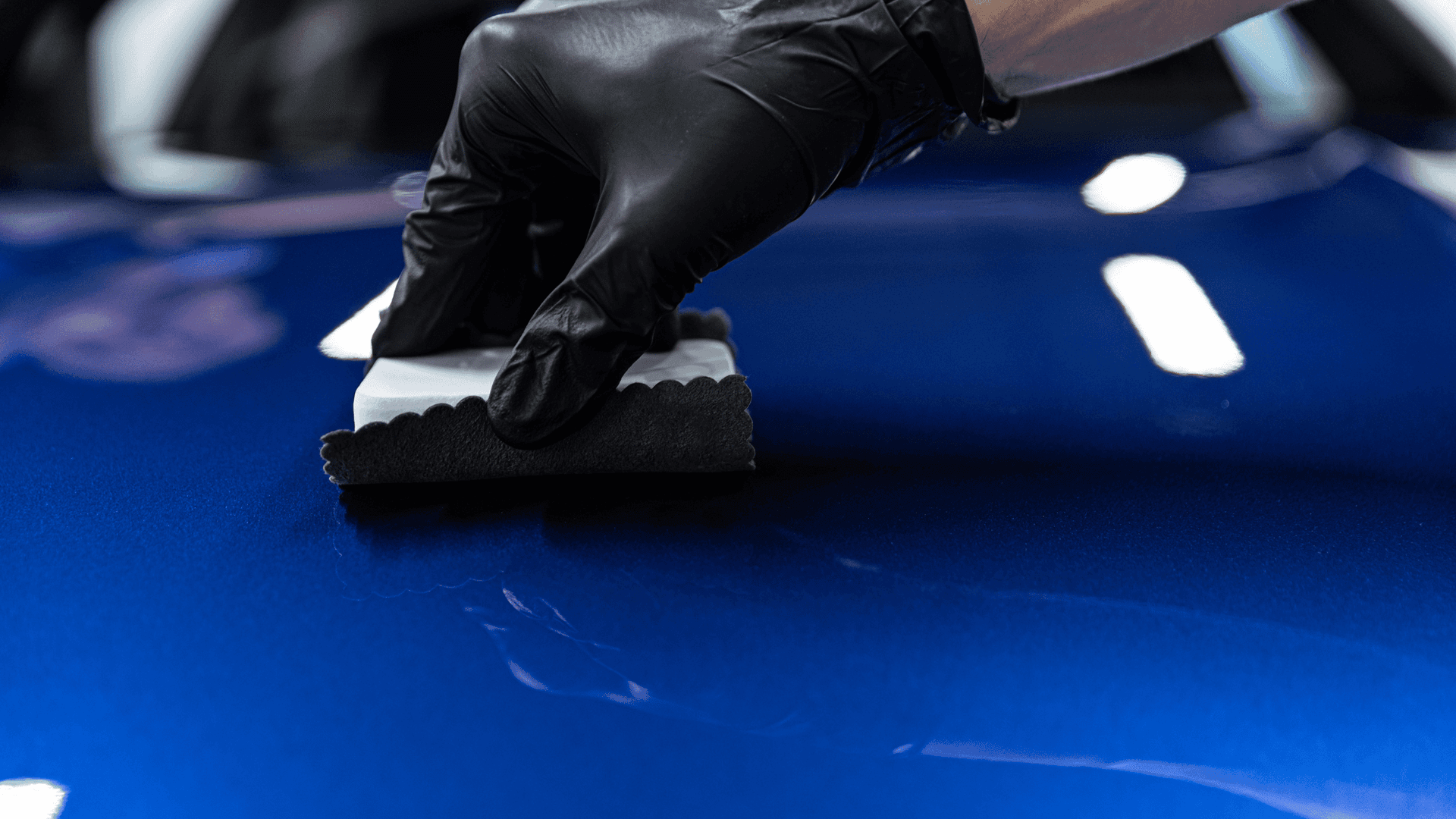

How To Wash Rags With Car Wax On Them
In this guide:
- How to pre treat car wax stains before washing
- What water temperature and detergent work best
- Machine wash versus hand wash for wax removal
- How to dry rags without leaving residue
- How to inspect and repeat if needed
- Frequently asked questions
If you manage a hotel, salon, or auto detail shop, you know how car wax ruins otherwise good rags. Wax clogs fibers and leaves a sticky film. Washing them the right way saves money and keeps your linens in rotation. This guide gives you the exact process used by professional laundry operations that handle wax stained shop towels and detailing rags.
Heat and detergent dissolve wax. Use hot water at 140°F (60°C) with a heavy duty liquid detergent. Pretreat with dish soap. Run two wash cycles. Air dry or machine dry on low heat. Inspect for residue before reusing.
How to pre treat car wax stains before washing
Wax is a blend of oils and hardeners that bonds to cotton and poly blend fibers. You have to break that bond before the wash cycle. Start by scraping off any visible wax clumps with a dull knife or the edge of a plastic card. Do not use a sharp blade on terry cloth or microfiber rags. You can damage the loops or the split fibers that give microfiber its cleaning power.
After scraping, apply a drop of liquid dish soap directly to each wax stain. Dish soap contains surfactants that lift oils and wax from fabric. Rub the soap in gently with your fingers or a soft brush. Let it sit for 15 minutes. For heavy buildup, soak the rags in a bucket of hot water (120°F or 49°C) with two tablespoons of dish soap per gallon. Soak for 30 minutes. This softens the wax and starts the lifting process.
For bulk loads of 100 rags or more, use a commercial pre soak tank. Set the temperature to 140°F (60°C). Add an emulsifier or a wax cutting agent designed for laundry. Many professional car washes use a product based on d limonene, a citrus solvent that breaks down wax without harming fabric. Follow the manufacturer dose rates: typically 2 to 4 ounces per gallon of water. The soak time should be 15 to 20 minutes with intermittent agitation. This pretreatment cuts wash cycle time and saves water.
What water temperature and detergent work best
Hot water is non negotiable for wax removal. Wax melts between 120°F and 140°F (49°C to 60°C). If your commercial washer can handle 140°F, use it. This temperature melts the wax and allows detergent to emulsify it. Lower temperatures around 100°F (38°C) leave wax sticky and hard to rinse. For delicate rags or those with mixed fiber content, warm water at 120°F works if you combine it with a strong degreasing detergent.
Choose a heavy duty liquid detergent with an enzyme formulation. Enzymes break down organic stains and help lift waxy residue. Avoid powder detergents because they can clump with wax and leave a paste on the fabric. Use the maximum amount recommended on the label for heavily soiled loads. For a standard 50 pound commercial washer, that is roughly 12 to 16 ounces of liquid detergent per cycle.
Add a cup of white vinegar or half a cup of baking soda to the wash water. Both help break down wax and neutralize any leftover chemical residue from pretreatment. Do not use fabric softener. Softener coats fibers with a thin layer of oil that traps wax particles. That defeats your cleaning efforts. According to OSHA guidelines for laundry operations, you should always ventilate the area when using hot water and detergents because steam can carry volatile compounds from wax solvents.
Machine wash versus hand wash for wax removal
Machine washing is faster and more consistent for bulk volumes. Professional grade washers with a high water level and heavy duty cycle give the best results. The mechanical action of the drum helps separate wax particles from fibers. Set the wash to a heavy duty cycle with an extra rinse. Two rinse cycles ensure all melted wax and detergent residue are flushed away. The total wash time including pretreat and extra rinse should be 45 to 60 minutes.
Hand washing works for small batches of 10 to 20 rags. Fill a large plastic tub or utility sink with hot water at 140°F (60°C). Add liquid detergent and agitate the rags vigorously with a plunger or gloved hands for 5 minutes. Drain and refill with fresh hot water. Repeat the agitation. Then rinse in warm water until no suds appear. Hand washing cannot match the mechanical action of a machine, so you may need three or four cycles to remove all wax.
For B2B buyers ordering 100 to 500 units, machine washing is the only practical method. A single load in a 50 pound washer can handle 200 shop towels or 100 terry rags. Hand washing that many rags takes hours and uses far more water and labor. Invest in a commercial washer with a high extraction spin cycle. The spin removes excess water and wax laden detergent before drying. This reduces drying time and prevents wax from redepositing on the fabric.
How to dry rags without leaving residue
Drying is the step where many operations ruin clean rags. High heat can set any remaining wax into the fibers. If wax is not fully removed, the heat from a dryer melts it again and spreads it across the entire rag. Always inspect rags before drying. If you see any cloudy patches or feel a greasy film, run the rags through another wash cycle. Do not skip this step.
Set the dryer to a low heat cycle (around 130°F or 54°C). For cotton terry rags typical of wholesale bath towels, low heat prevents shrinkage and protects the loops. For microfiber rags, use no heat or air fluff only. Microfiber is sensitive to high heat and can melt or lose its electrostatic charge. Dry the rags until they are just barely damp. Then remove them and finish drying on a rack or clothesline. This prevents any residual wax from hardening and bonding during a full drying cycle.
For larger operations, use a commercial dryer with a cool down phase. The cool down tumbles the rags without heat for the last 5 to 10 minutes. This helps loosen any wax particles that might still be present. Clean the dryer lint trap after every load. Wax particles can accumulate in the lint and create a fire hazard. The Consumer Product Safety Commission recommends regular lint removal for all commercial dryers, especially when processing rags with chemical residues.
How to inspect and repeat if needed
Inspection is the final quality control step. After drying, hold each rag up to bright light. Look for any shiny or translucent patches. These indicate leftover wax. Run your fingers over the entire surface. If the fabric feels slick or stiff, wax is still present. A simple water test also works. Drop a small amount of water onto the rag. If the water beads up and rolls off, wax is blocking absorption. If the water soaks in, the rag is clean and ready for reuse.
If you find residue, do not mix those rags back into a clean load. Set them aside for a second treatment. Soak them again in hot water with dish soap. Then rewash using the same heavy duty cycle. Sometimes a second pass is necessary for deep wax penetration. For rags that have been through two wash cycles and still show residue, the wax may have bonded permanently. Those rags are best used exclusively for wax application or disposed of.
Track the number of times a rag can be cleaned. For example, a typical 300 GSM terry rag used in a car wash can withstand 15 to 20 wash cycles before the fibers weaken. A 400 GSM rag lasts longer, around 25 cycles. Replace rags when they show fraying edges or thinning fabric. The ISSA Cleaning Industry Standards recommend rotating rags regularly to maintain consistent absorbency and performance. Many wholesale hotel towels follow similar longevity benchmarks.
For large volume users, consider color coding rags by purpose. Use blue rags for wax removal only, white for general cleaning, and red for oil and grease. This prevents cross contamination and simplifies sorting. A system like this extends the life of your entire linen inventory. It also reduces the risk of transferring wax to surfaces like mirrors, glass, or finished wood.