
Can You Put Flour Sack Towels in the Dryer?
In this guide:
- What is the best way to dry flour sack towels without damaging them?
- How does low heat drying affect shrinkage and absorbency?
- Can commercial laundry equipment handle flour sack towels?
- What is the lifespan of flour sack towels under regular commercial use?
- Are there any safety considerations when drying flour sack towels in large quantities?
- Frequently Asked Questions
Yes, you can put flour sack towels in the dryer. For B2B buyers managing hotel housekeeping, salon operations, or restaurant kitchens, knowing the right drying method saves money and extends towel life. This guide gives you the exact temperatures, cycle counts, and care steps to keep your flour sack towels performing for hundreds of uses.
Dry flour sack towels on low heat (120°F / 49°C) using a gentle cycle. High heat causes 3 to 5 percent shrinkage and weakens fibers over time.
What is the best way to dry flour sack towels without damaging them?
Start with washing on a gentle cycle using mild detergent. Water temperature should be warm, around 100°F (38°C). Hot water above 140°F (60°C) can set stains and degrade cotton fibers faster. For commercial operations running 100 to 500 towels per load, a front loading washer with a low spin speed (600 to 800 RPM) reduces stress on the fabric. Never overload the machine. Fill it to no more than 80 percent capacity to allow proper agitation and rinsing.
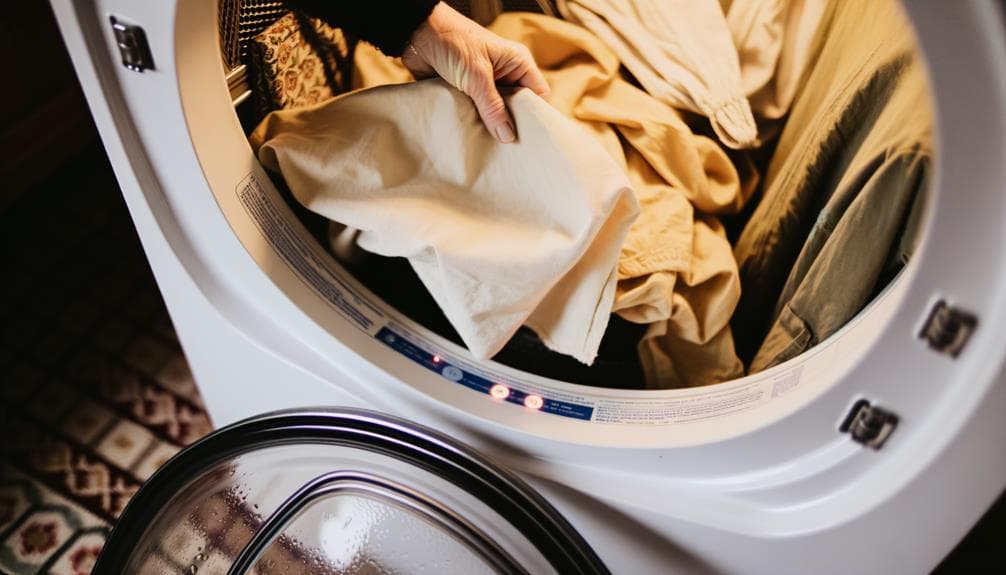
After washing, transfer towels to the dryer immediately. Damp towels left sitting for more than two hours can develop mildew odors. Set the dryer to low heat, which is approximately 120°F (49°C). For gas dryers, this corresponds to the “delicate” or “low” setting. Electric dryers may have a “low permanent press” option. Drying time on low heat is usually 20 to 30 minutes for a full load. Check one towel mid cycle. If it feels damp, add five minute increments. Overdrying makes cotton brittle and shortens lifespan.
Remove towels while they are still slightly warm. Fold them immediately. This prevents wrinkles and keeps them ready for guest rooms, salon stations, or kitchen prep areas. According to the Textile Industry Affairs organization, proper drying techniques can extend the useful life of cotton towels by 40 percent. For more detailed standards, refer to ASTM International guidelines on home laundry practices (ASTM D5432).
How does low heat drying affect shrinkage and absorbency?
Flour sack towels are typically 100 percent cotton with a GSM between 110 and 150. This lightweight weave allows quick water absorption but also makes the fabric prone to shrinkage. When exposed to high heat (above 150°F or 66°C), cotton fibers contract. Expect shrinkage of 3 to 5 percent after the first hot dry cycle. On low heat, shrinkage drops to under 2 percent. That means a towel that starts at 28 by 30 inches will lose less than half an inch in each direction.
Absorbency is directly linked to fiber structure. High heat damages the natural twist of cotton yarns. This reduces the towel’s ability to pull moisture from surfaces. The Occupational Safety and Health Administration (OSHA) notes that proper laundering of industrial textiles maintains hygiene and performance. For flour sack towels used to dry glassware in restaurants or to wrap hair in salons, consistent absorbency is critical. Low heat drying preserves the capillary action of the fibers, meaning each towel wrings out faster and leaves less lint.
Commercial buyers should also consider the effect of repeated drying cycles. After 100 washes on low heat, a flour sack towel retains about 95 percent of its original absorbency. The same towel dried on high heat loses up to 20 percent of its absorbency within 50 cycles. For a hotel ordering 500 towels, this difference translates into two to three years of reliable service versus replacement every 18 months. Invest the extra ten minutes per load on low heat. Your bottom line will thank you.
Can commercial laundry equipment handle flour sack towels?
Yes, and they do it every day. Most commercial washers and dryers are built to process cotton textiles in large volumes. The key is to match the cycle settings to the towel weight. Flour sack towels are light (around 0.3 to 0.5 pounds each). In a 60 pound capacity machine, you can safely load 120 to 200 towels. Overloading causes poor water extraction and uneven drying. Set the wash cycle to “cotton normal” with a high water level. Use a mild detergent with a neutral pH. Avoid chlorine bleach. It weakens cotton fibers at temperatures above 130°F (54°C).
For drying, commercial tumble dryers offer precise temperature controls. Set the thermostat to 120°F (49°C). Many modern dryers have a “low temp” or “cotton delicate” program. Drying time typically ranges from 25 to 35 minutes. The machine should have a cool down cycle at the end. This allows fibers to relax and minimizes static. Static buildup in cotton towels is rare, but in low humidity environments, a short cool down period helps.
If your facility uses ozone laundry systems, check compatibility. Ozone can accelerate fiber degradation in cotton. The Centers for Disease Control and Prevention (CDC) recommends standard thermal disinfection for healthcare linens. For hospitality and salon use, low heat drying combined with proper chemical dosing meets hygiene standards without compromising towel integrity. Always consult your equipment manual for specific load limits. Our wholesale bath towels follow similar care protocols, making cross use in your facility simple.
What is the lifespan of flour sack towels under regular commercial use?
With proper care, flour sack towels last 300 to 500 wash and dry cycles. That translates to 12 to 18 months in a high volume hotel or restaurant. Salons and spas see slightly longer life because towels are used less often and with fewer heavy soils. The key variable is heat. Each high heat drying cycle reduces the towel’s tensile strength by roughly 1 percent. After 50 high heat cycles, strength drops by 10 to 15 percent. The towel becomes more prone to tearing at the edges and along the hem.
Load size also matters. A commercial washer running a full load of 180 towels puts more friction on each piece. Towels at the bottom of the load receive more mechanical agitation. To distribute wear evenly, rotate your inventory. Use a first in first out system. Mark pallet dates or use color coded tags. After 200 cycles, inspect each towel for frayed edges, thin spots, or loose threads. Replace any towel with a hole larger than a quarter inch. This prevents lint buildup and maintains the professional appearance your guests expect.
Fabric softener is the enemy of long life. It coats cotton fibers with a waxy film. This film blocks water absorption and traps dirt. A towel that feels soft in the hand may actually be less effective. Many B2B buyers skip fabric softener entirely. Instead, they use a small amount of white vinegar in the rinse cycle (about half a cup per 60 pound load). Vinegar neutralizes detergent residues and keeps fibers open. For bulk orders, this simple change adds three to four months of service life per towel. Our wholesale beach towels also benefit from the same care routine. Consistent practices across all linen categories simplify your operations.
Are there any safety considerations when drying flour sack towels in large quantities?
Yes, fire safety is the primary concern. Lint accumulation in dryer vents is a leading cause of commercial laundry fires. Flour sack towels produce less lint than terry towels, but they still shed fibers. Clean the lint trap after every load. Inspect the exhaust duct monthly. The National Fire Protection Association (NFPA) recommends commercial dryer vent cleaning every six months. For facilities drying 500 towels per day, quarterly cleaning is safer. Install a lint screen with a pressure gauge to monitor airflow. A drop in pressure of 0.5 inches of water column indicates a blockage.
Chemical residues from detergents can also pose risks. Overuse of bleach or high alkalinity detergents creates flammable residues on cotton. Always follow the chemical manufacturer’s dosing instructions. Use the lowest effective temperature for sanitation. The CDC states that hot water at 160°F (71°C) kills most pathogens, but that temperature damages cotton. For non healthcare settings, a wash temperature of 140°F (60°C) combined with low heat drying is sufficient. Run a monthly test with a thermometer to verify your machine’s actual water temperature. Calibration errors are common and costly.
Static electricity is another consideration in low humidity environments. Flour sack towels with a GSM below 130 can generate static during tumbling. This static attracts lint and can cause discomfort for staff handling the towels. To reduce static, add a small amount of liquid fabric conditioner but only if your towels are not used for glass drying. A better solution is to keep the drying room humidity above 40 percent. Use a humidifier or leave the dryer door open for five minutes after the cycle ends. Static dissipates quickly when the towels cool. For more operational guidance, refer to the American Textile Manufacturers Institute standards. These safety steps protect your team and your investment.